Insurance in 2026: From AI pilots to production-grade performance
In 2026, carriers will stop experimenting and start scaling AI under human oversight, with stronger governance, and decisions driven by live risk data. Expect operationalised AI, real-time risk intelligence, and participatory models that change how coverage is written, managed, and experienced.
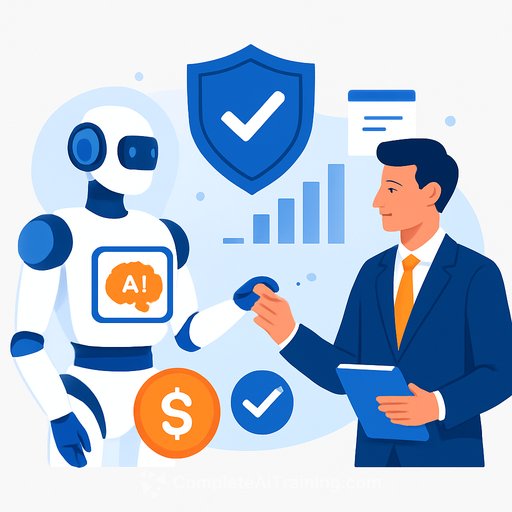
The carriers that win will pair human judgment with machine intelligence. Underwriters will spend more time on core risk decisions while AI accelerates the grunt work and surfaces insights at portfolio scale.
What "operationalised AI" looks like
- Real-time underwriting: Streaming risk data from IoT, telematics, and environmental sources feeds more granular, behavior-based pricing and dynamic appetite adjustments.
- AI agents at work: Employees train and supervise AI systems, providing ethical oversight, boosting consistency, and reinforcing portfolio underwriting discipline.
- Governance and explainability: Bias controls, hallucination mitigation, and transparent decisioning shift from nice-to-have to compliance essentials.
- Ecosystem convergence: Coverage becomes embedded in mobility, health, and energy experiences-sold where risk is created and managed.
- The DIY policyholder: Customers use phones and connected devices to capture and share their own risk data, opting for speed, clarity, and self-service over legacy inspections.
What carriers should do now
- Stand up a live risk data spine: Ingest IoT, telematics, weather, and third-party signals into a governed lakehouse. Build feature stores and real-time scoring pipelines tied to underwriting rules.
- Put humans in the loop by design: Define when underwriters approve, override, or escalate model suggestions. Log decisions to improve models and compliance.
- Operational AI governance: Adopt model risk management, bias testing, drift monitoring, prompt policies, and clear explainability for every decision that touches pricing, appetite, or claims.
- Upgrade underwriting workflows: Use AI to summarize submissions, extract exposures, flag anomalies, and recommend clauses-so experts focus on risk selection and negotiation.
- Portfolio-first visibility: Dashboards that blend exposure, capacity, correlations, and live loss signals. Make appetite dynamic rather than static.
- Build participatory products: Incentivize data sharing with premium credits and real-time feedback loops for safer behavior and loss prevention.
- Embed where customers live: Partner with mobility, health, and energy platforms. Trigger coverage and pricing with context, not paperwork.
- Modernize vendor oversight: Contract for model documentation, data lineage, security, and explainability. Require auditability for any external AI component.
- Upskill your teams: Train underwriters, claims, actuaries, and product managers to supervise AI, interpret signals, and communicate decisions to brokers and regulators.
The common thread: connected and collaborative insurance
Insurance is shifting from point-in-time assessment to continuous interpretation of risk. That change improves selection, elevates the policyholder experience, and creates new partnerships between carriers and customers.
Compliance and ethics aren't optional
Regulators expect clear guardrails for AI. Review emerging guidance such as the NAIC's model bulletin on the use of AI systems and the NIST AI Risk Management Framework.
Practical next steps for the next 90 days
- Pick two lines of business and wire real-time data into underwriting triage and routing.
- Stand up an AI governance playbook: model inventory, risk tiers, testing standards, and approval gates.
- Pilot an AI agent to summarize submissions and surface red flags, with underwriter sign-off.
- Design one participatory feature (e.g., telematics credit or photo-based self-inspection) and measure conversion and loss impact.
If your teams need a structured way to build these skills, explore role-specific learning paths: AI Learning Path for Project Managers, AI Learning Path for CIOs, or AI Learning Path for Regulatory Affairs Specialists.
2026 belongs to carriers that run AI in production, keep humans in control, and turn live risk signals into better pricing, cleaner portfolios, and a faster customer experience. Less theory. More accountable automation. Continuous risk understanding, end to end.
Your membership also unlocks: