
AI news ·
27 states consider laws making AI companies liable for chatbot harms, group says
27 states are considering laws that would let consumers sue AI companies when chatbots cause harm, according to a new legislative tracker. Three states have already passed such protections.
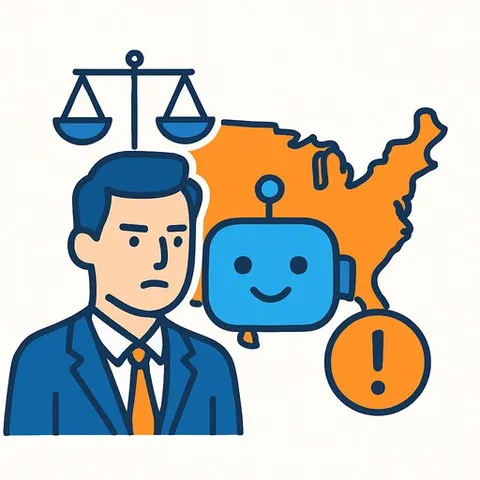
27 States Weighing AI Chatbot Liability Laws
Twenty-seven states are considering legislation that would hold artificial intelligence companies liable in civil lawsuits if they fail to protect consumers using chatbots, according to a legislative tracker released by a citizens group. Three states have already enacted such protections.
The push reflects growing concern among lawmakers about chatbot safety and consumer harm. States are moving to establish clear legal responsibility for AI companies when their systems cause damage to users.
The tracker, compiled by a citizens advocacy organization, maps state-by-state efforts to regulate AI chatbots through liability frameworks. This approach differs from broader AI regulation - it focuses specifically on holding companies accountable through the civil court system rather than through regulatory agencies.
What the Laws Would Do
The proposed legislation would allow consumers to sue AI companies for damages when chatbots fail to implement adequate safeguards. This creates financial incentive for companies to invest in consumer protection measures.
States pursuing these laws include both early movers and those still in early legislative stages. The variation in approach across states suggests the absence of a federal standard, leaving companies to navigate different requirements by jurisdiction.
Legal Implications
For legal professionals, these state-level efforts signal a shift toward product liability frameworks for AI systems. Companies deploying chatbots may face exposure under multiple state regimes simultaneously.
The liability model differs from other AI regulation approaches. Rather than requiring pre-deployment approval or government oversight, it allows courts to determine harm and assign damages after the fact.
Learn more about AI for Legal professionals and how Generative AI and LLM technologies are being regulated across different sectors.