27 African universities set to gain from pan-continental Generative AI in CS Education Summit
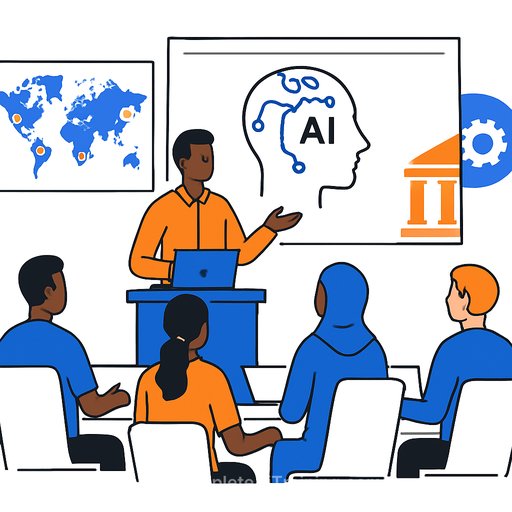
February 16, 2026 - A three-day Generative AI in Computer Science Education Summit will run in Lagos from February 18-20, targeting faculty from 27 universities across eight African countries, including Nigeria, Ghana, Sierra Leone, Kenya, South Africa, and Ethiopia.
The summit, organized by the non-profit VarsityMentor and funded by the GenAI in CS Education Consortium established by the University of San Diego, is built to equip computer science lecturers with practical AI skills, modern teaching strategies, and industry context. The aim: stronger curricula, better-prepared graduates, and a healthier talent pipeline for the continent's tech ecosystem.
Why it matters for educators
"Through various research, more than over two thousand universities that we have in Africa churn out about three million graduates every year, and more than fifty percent of these young men and women end up never getting a job," said Obinna Anya, Co-founder and Executive Director of VarsityMentor. "The goal of this summit is to bridge that gap. AI is already here, and part of the objective is to work with professors to reevaluate what we teach, so students are prepared for the age of AI."
Adekunle Adeyemo, Co-organizer of the VarsityMentor GenAI Summit, added, "If we don't tell our own story, others will tell it for us. AI will only take the jobs of those unprepared. This summit ensures our educators can design models and curricula that prepare students to thrive, just as computers once enhanced rather than replaced jobs. AI is a tool, and Africa can still get it right."
Organizer Valerie Ehimhen stressed the link between skills and employment: "We cannot continue to churn out graduates with computer science degrees who have never worked with a computer or gained the right programming skills. This summit ensures universities across Africa teach practical computer science skills, so graduates can secure jobs in Nigeria, across Africa, and globally."
What to expect over three days
- Hands-on workshops and presentations focused on Python and generative AI.
- Panels with tech founders offering real-world industry insights educators can take back to class.
- Sessions to raise awareness, identify low-cost solutions, and outline long-term AI infrastructure needs.
- Collaboration pathways with Ministries of Education to support sustainable investment and policy alignment.
Practical outcomes the summit aims to drive
- Faculty upskilling in core AI concepts and tools that translate directly into coursework and labs.
- Curriculum updates that emphasize applied projects, data literacy, and responsible AI practices.
- A cross-campus network of educators sharing materials, case studies, and peer support.
- A roadmap for phased infrastructure improvements-starting with low-cost options-suited to local constraints.
- Clearer pathways from classroom to internships, apprenticeships, and entry-level roles.
How deans, HODs, and lecturers can maximize the impact
- Identify 2-3 priority courses (e.g., Intro to Programming, Data Structures, Capstone) to pilot gen-AI assignments this semester.
- Set simple, measurable learning goals (e.g., "students can prompt, critique, and improve an AI-generated code snippet").
- Audit current lab capacity and internet constraints; shortlist low-cost tools and offline-friendly workflows, and consult the AI Learning Path for Technology Managers for guidance on governance and infrastructure.
- Engage one or two local companies to co-create practical problem sets tied to internships.
- Draft an assessment policy that encourages AI literacy while maintaining academic integrity.
- Form a small faculty working group to iterate syllabi, share results, and publish templates for your department.
- Track outcomes: student project quality, internship placements, and faculty adoption rates across courses.
Countries and institutions
Universities from eight countries-including Nigeria, Ghana, Sierra Leone, Kenya, South Africa, and Ethiopia-are participating. The pan-African mix is intentional: peer learning and shared constraints often lead to practical solutions that travel well.
Funding, partners, and policy engagement
The program is funded by the GenAI in CS Education Consortium, established by the University of San Diego. Alongside hands-on sessions, the event promotes collaboration with Ministries of Education to support long-term investment in AI infrastructure and staff development.
If you're preparing your faculty
- Set a department-wide goal for AI literacy and pick a starter toolkit your team can actually support.
- Curate 5-10 local, high-signal datasets or case prompts so assignments stay relevant to your context.
- Schedule monthly "show-and-tell" sessions where lecturers demo assignments, rubrics, and results.
- For additional upskilling between sessions, explore role-based learning paths such as the AI Learning Path for Training & Development Managers.
Bottom line
This summit is a practical step toward stronger CS education across Africa-less theory in isolation, more applied learning with tools students will see on the job. With focused faculty development and policy support, universities can build a sustainable base for AI innovation and help students solve local problems with homegrown solutions-while staying competitive globally.
Your membership also unlocks: