48 predictions about edtech, innovation, and AI in 2026
Novelty is out. Necessity is in. Budgets are tighter, needs are higher, and AI is moving from pilots to daily practice. The priority is simple: better outcomes, safer systems, and more human time where it matters.
Here's what to expect-and how to focus your energy-so students learn more, teachers teach better, and systems run cleaner.
AI and instruction
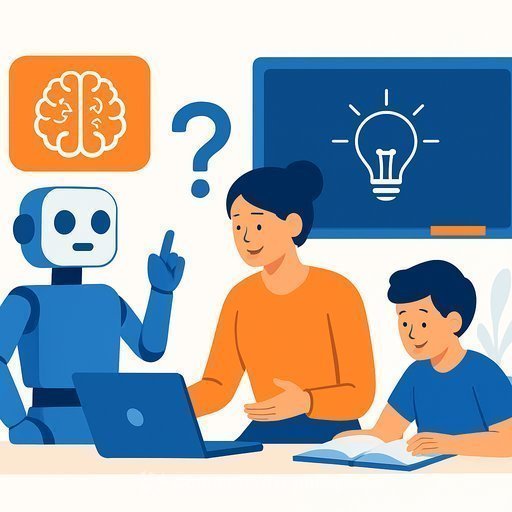
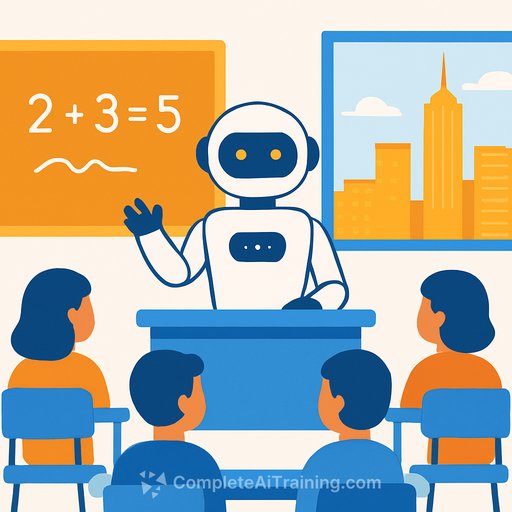
- 1. AI becomes part of the day-to-day. Clear guardrails make it routine, not risky.
- 2. Districts use AI to attack learning gaps and scale mental health triage and check-ins.
- 3. Hyper-personalization moves from promise to practice with real-time adjustments to readiness.
- 4. AI tutoring grows as quick, targeted practice-teachers still lead, AI handles reps and feedback.
- 5. The cool-feature era ends. Tools earn their keep by improving achievement and wellbeing.
- 6. Habits harden: students draft first, then use AI for critique and clarity-studio, not vending machine.
- 7. AI shifts from time saver to teacher growth engine: sharper observations, clearer evidence, better feedback.
- 8. AI becomes infrastructure: governance, privacy, and PD are table stakes, not afterthoughts. For practical guardrails, see the NIST AI Risk Management Framework. District tech leaders should also review the AI Learning Path for CIOs.
- 9. Personalized learning becomes a system priority. AI trims admin; teachers pour energy into mentoring.
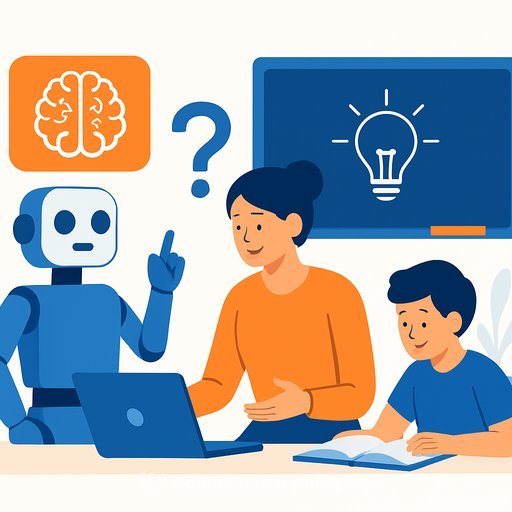
- 10. The "Augmented Educator" model wins: AI diagnoses; humans build motivation, safety, and confidence.
- 11. Real-time adaptivity matures: systems read engagement signals and adjust difficulty, modality, and pacing.
- 12. Classroom hardware gets on-device AI (e.g., projectors with built-in models) for instant search, quizzes, captions, and translation.
Literacy and math
- 13. Middle school literacy becomes urgent: reading shows strain, so schools embed reading across subjects and rebuild stamina. See NAEP trends: Grade 8 reading highlights.
- 14. Districts double down on implementation: coaching, time, and alignment-not one-and-done training.
- 15. States expand policy attention to upper-grade interventions; support won't stop at K-3.
- 16. Digital libraries, audiobooks, and personalized reading platforms help close gaps before high school.
- 17. Math shifts to visual first, concept-rich instruction that builds reasoning and confidence.
- 18. Progress in math depends on coherence and consistency, not chasing the next shiny thing.
- 19. Instructional audio is treated as core infrastructure to reduce cognitive load and improve phoneme clarity.
- 20. AI pressure forces a rethink of high-school math priorities toward problem-solving and creativity.
CTE, workforce, and pathways
- 21. "Readiness" replaces "graduation" as the goal. CTE and industry credentials move to the center.
- 22. Career-connected learning scales: activity-, project-, and problem-based work tied to real roles.
- 23. VR/AR becomes common for job trials, safety practice, and mock interviews.
- 24. CTE enrollment grows; programs blend tech fluency with teamwork, communication, and judgment.
- 25. DIY mobile career platforms guide students who have "no plan" into concrete next steps.
- 26. Skills-focused platforms help students build artifacts and gain stackable competencies.
- 27. Districts provide clearer visibility into alternative pathways with flexible policies and supports.
- 28. Decision Education spreads to help students make better choices under uncertainty.
Well-being, culture, and safety
- 29. Staff and student wellness merge-shared mindfulness, movement, and routines improve morale and engagement.
- 30. More schools limit phone access and passive screen time, pushing hands-on science and math.
- 31. Safety becomes a strategic lever for achievement, teacher retention, and family trust.
- 32. Plans expand beyond lockdowns to everyday incidents; wearables and AED maps become standard practice.
- 33. Local coalitions of educators, families, and partners fill gaps with city and regional support.
- 34. Chronic absenteeism remains sticky; earlier, flexible outreach keeps students connected.
Early learning and the arts
- 35. Early childhood moves outdoors with play-based rigor and intentional sensory supports.
- 36. Virtual set design lands in K-12 theater-richer productions, lower cost, and real tech skills.
- 37. America's 250th drives interactive, place-based civic learning-on campus and on site.
Operations, data, and communications
- 38. District communications go modern: clean sites, real-time updates, AI chat, and GEO best practices.
- 39. Leaders reject fragmented data; finance, staffing, and student outcomes live in one view.
- 40. AI cleans "ghost" records, simplifies compliance, and speeds cross-department workflows.
- 41. Families expect seamless, personalized experiences powered by connected, accurate data.
- 42. Independent schools grow applications but juggle staffing, costs, aid, and school-choice shifts.
- 43. Funding choices sharpen: weigh AI initiatives against hands-on materials-balance wins.
- 44. Edtech moves past digital worksheets toward tools that support pedagogy and in-the-moment PD.
Special education and services
- 45. Referrals rise while staff remain limited; accuracy beats speed, especially for multilingual learners.
- 46. Strategic partnerships expand access to high-quality, local special-ed services.
Professional learning and teacher support
- 47. AI-assisted observations capture evidence and match feedback to evaluation criteria-coaching gets sharper.
- 48. Test prep becomes truly personal with adaptive study plans, instant explanations, and 24/7 support.
What to do next (practical moves for Q1-Q2)
- Audit your AI stack against policy, privacy, and PD needs; define staff norms and student use.
- Pick two high-leverage use cases to implement well: AI-assisted feedback and middle school reading blocks.
- Stand up an engagement-first classroom kit: instructional audio, interactive display, document camera, and clear routines.
- Publish a simple pathway map for every student: CTE options, credentials, internships, and alt routes.
- Create a cross-functional data view for program ROI; cut redundant tools and redirect funds to what works.
- Update safety playbooks for everyday incidents; train staff on wearables and AED locations.
- Plan PD that pairs tools with pedagogy. If you need structured AI upskilling by role, see AI courses by job, or consult the AI Learning Path for Project Managers for implementation and ROI guidance.
- Set a clear phone policy and replace passive screen time with labs, projects, and local problem-solving.
Get Daily AI News
Your membership also unlocks:
700+ AI Courses
700+ Certifications
Personalized AI Learning Plan
6500+ AI Tools (no Ads)
Daily AI News by job industry (no Ads)