88% back licences before AI trains on copyrighted work - what this means for creatives
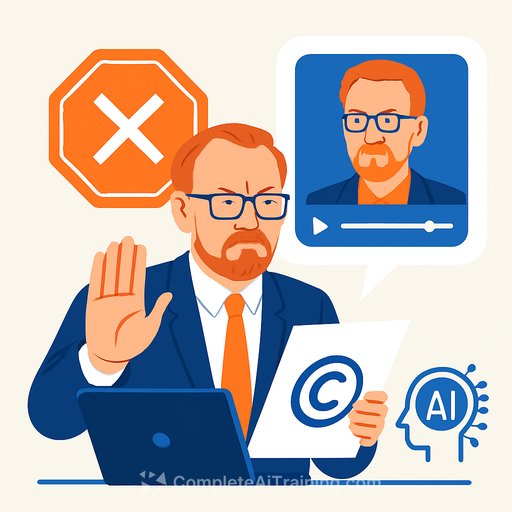
The government asked the public how AI should access copyrighted work for training. The response was clear: 88% want licensing in all cases before AI systems use creative content. Just 3% supported the government's favoured opt-out plan, where AI companies can use your work unless you actively reserve your rights.
A progress statement from the Department for Science, Innovation and Technology confirms the split. The message from the creative sector is simple: permission first, not permission later.
What changed
The government's preferred approach is an opt-out "data mining exception with rights reservation." In practice, that shifts the burden onto you to block use, rather than on AI companies to seek permission. Most creators, publishers, labels, and studios pushed back and called for licences across the board.
The numbers (at a glance)
- 11,500 total responses reviewed by an IPO taskforce of ~80 policy officials and analysts.
- 88% support licensing in all cases before AI uses copyrighted work.
- 3% support the government's opt-out plan.
- 0.5% support an even broader exception with no rights reservation (option 2).
- 7% want no changes to copyright law.
Who was consulted
Responses came from creators and rightsholders, AI developers, academics, researchers, cultural heritage organisations, and legal professionals. About a third used templates seeded by sector groups. Four expert technical working groups are now meeting on control and standards, information and transparency, licensing, and support for creatives.
Why this matters for your practice
If licensing wins out, your catalogue becomes a negotiable asset for model training. That means clearer value, cleaner deals, and less time chasing misuse. If opt-out returns, you'll spend more time and money on blocking, signalling, and enforcement.
What's next
Under the Data (Use and Access) Act, the government must publish a full report and economic impact assessment by 18 March next year. Officials say "all options" are still on the table, but the consultation shows strong backing for licensing from the creative industries.
To follow official updates, check the UK Intellectual Property Office.
Practical steps you can take now
- Get your catalogue in shape: centralise files, credits, rights splits, and territories. Clean metadata is leverage in any licensing talk.
- Set clear terms: add explicit "no AI training without licence" clauses to your website, platform profiles, and contracts.
- Use technical signals: apply content credentials/provenance metadata where possible and keep consistent identifiers across works.
- Coordinate: work with your publisher, label, agent, or collecting society on standard licence terms and pricing for model training.
- Track usage: monitor where your work is hosted and how it's accessed; keep evidence. It strengthens claims and negotiations.
- Prepare a rate card: even a simple starting point (catalogue scope, usage window, caps, audit rights) can speed up deals.
- Stay visible, not vulnerable: share your work, but with rights notices baked in and a plan for takedowns if needed.
Tech sector vs. creative sector
Respondents from AI and tech were more open to exceptions and lighter transparency rules. Creative industries backed statutory support for licensing and stronger transparency so rightsholders can see if, how, and where their work is used.
Bottom line
The centre of gravity has moved toward licences first. While the final decision is pending, you can act now: make your rights unambiguous, your catalogue licensable, and your terms easy to accept. That's how you keep control and get paid.
If you're experimenting with AI in your workflow and want options that respect rights and value, browse role-specific learning paths here: Complete AI Training - Courses by Job.
Your membership also unlocks: