AI Is Cracking the Software Trade. A Top-Performing Tech Fund Says It's Early
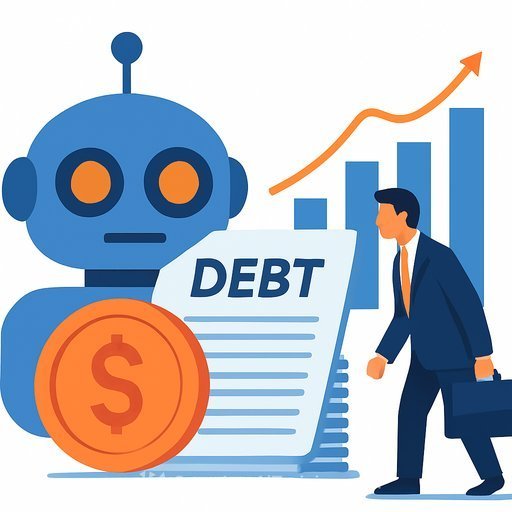
One of the best-performing global tech funds dumped most application software and doesn't plan to look back. The manager's view is blunt: AI won't just dent app software; it threatens the model itself.
His fund, roughly $12 billion in assets, outperformed 99% of peers over one year and 97% over five. The edge came from selling software before the crowd and leaning into chips and the infrastructure behind data centers - a core focus of AI for IT & Development.
The thesis: application software is in the crosshairs
"Application software faces an existential threat from AI." That's the call - and it's not theoretical anymore. AI Coding tools can already replicate and modify large chunks of existing software. Clients are building internal tools to slash SaaS spend, and AI-first startups are flooding the market.
Result: the US software sector ETF is down about 22% this year, while semis rallied as AI lifted computing demand. The spread is telling.
Positioning: out of app software, overweight the picks-and-shovels
Apart from a small Microsoft stake and some call options, the fund exited application software - including SAP, ServiceNow, Adobe, and HubSpot - and doesn't plan to re-enter. The uncertainty isn't about the next quarter; it's about the terminal value of these franchises if bottoms-up AI keeps getting better.
Seven of the fund's top 10 positions (end-January) are semiconductors, with Nvidia near 10% of the portfolio. Beyond chips, he favors networking gear, fiber optics, and power/energy infrastructure - the arteries and utilities of AI data centers.
Cash flow math gets harder
Falling stock prices tighten a quiet but crucial lever: stock-based comp. If equity comp loses value, management may need more cash to retain talent. Add in potential AI startup acquisitions to stay relevant, and free cash flow takes a hit.
His view: current prices don't fully reflect terminal value uncertainty or the squeeze on free cash flow.
Counterpoint exists - but the burden of proof is high
Some strategists argue software could rebound after "extreme price action," highlighting names like Microsoft and ServiceNow. That may play tactically. The structural question remains: how much of the app layer gets automated, rebuilt, or absorbed into platforms as AI improves?
Where software still works (for now)
The fund added selectively in infrastructure software - the plumbing behind consumer and enterprise apps. Positions include Cloudflare and Snowflake. Recent prints from Datadog and Fastly suggest demand for observability and edge/network performance is strong.
Cybersecurity is a neutral: no immediate AI hit, but not a high-conviction overweight either. Even so, less than 7% of the fund sits in infrastructure software and cybersecurity combined.
What this means for portfolio managers and analysts
- Rebalance exposures: stay significantly underweight application software unless you have a clear moat thesis (distribution lock-in, mission-critical workflows, or proprietary data).
- Favor infrastructure and compute: semis, networking, optics, and power systems tied to AI data center buildouts.
- Underwrite terminal value, not just next year's growth: model scenarios where AI reduces willingness to pay and time-to-build for internal tools by 30-50%.
- Stress-test FCF: increase cash comp assumptions if stock-based comp effectiveness fades; add M&A spend for AI tuck-ins.
- Watch real adoption signals: internal tool rollouts, usage-based pricing pressure, seat contraction, and AI-native vendor win rates.
- Use options where appropriate: calls on resilient platforms; puts or overwriting on vulnerable names to monetize volatility.
- Be fast, not reckless: as models improve, disruption compounds. Revisit theses quarterly - not annually.
A harder truth for application software
The manager expects a shakeout with few long-term winners - a comparison to newspapers in the 2000s isn't hyperbole here. Complex suites (e.g., ERP) may hold up longer, but valuation visibility is cloudy as AI expands its capability set.
Reference point: sophisticated assistants like Claude are already reshaping workflows. See Anthropic for a sense of the pace and direction.
If you're building a research edge on AI's impact by function, this curated list can help: AI tools for finance.
Bottom line
Application software's moat is narrowing as AI eats features and accelerates internal build-vs-buy decisions. The market has corrected - but if the thesis is right, it hasn't corrected enough. Position accordingly and keep your models honest.
Your membership also unlocks: