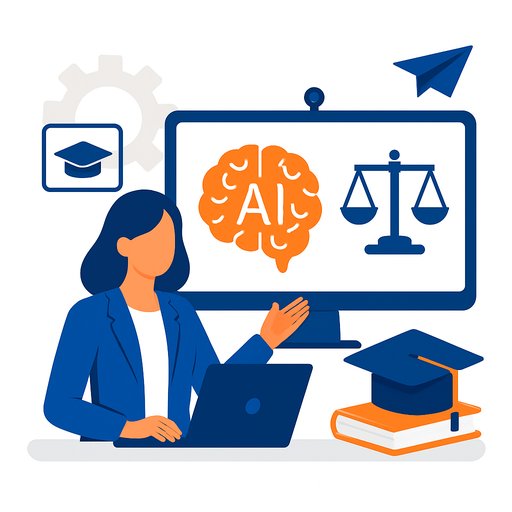
AALS and West Academic partner to support AI in legal education
The Association of American Law Schools and West Academic (part of BARBRI) have entered a multiyear partnership to help law schools use AI responsibly and effectively. The collaboration centers on three pillars: a faculty-focused webinar series, an online resource hub, and research tracking how AI is changing teaching, learning, and practice readiness.
"By joining forces on content expertise, audience reach and a shared commitment to thought leadership in legal education, together, we are providing the legal academy with a trusted and established source for guidance on AI," said Kellye Y. Testy, AALS CEO and executive director.
What's included
- Webinar series: For faculty, deans, and administrators, featuring AI experts from law schools and practice. Topics include integrating AI into courses, risks and limitations, and issues in ethics, regulation, and policy.
- Online resources: Examples of how schools are responding to AI-pedagogical shifts, ethical considerations, and best practices for institutional policies and planning.
- Research initiative: Surveys and analysis on attitudes among faculty, students, administrators, and practitioners-with special attention to faculty confidence and student trust in AI tools. See AI Research for related studies and tracking.
Why this matters to legal professionals
AI literacy is now part of professional competence. Law schools need clear course policies, consistent guidance for students, and guardrails that reflect ethical duties and current regulatory discussions. Firms and public sector employers benefit too: graduates who understand AI's limits, documentation, and review protocols will onboard faster and make fewer avoidable errors.
How to put this to work at your institution
- Set a baseline: define which AI tools are allowed in each course, where citation is required, and what must be student-authored.
- Pilot small: add one AI-enabled assignment (with required process notes) to test outcomes before scaling.
- Address risk early: train on hallucinations, confidentiality, protected data, and model bias; require human review for any client-facing output.
- Create a cross-functional review group (faculty, clinics, library, IT, student reps) to keep policies current and consistent.
- Measure what matters: track learning outcomes, honor code incidents, and employer feedback to refine your approach.
Where to learn more
Watch for updates from the partners and consider integrating their materials into faculty development and curriculum planning:
If you're building AI skills across roles (faculty, administrators, librarians, clinics), see curated options at Complete AI Training - Courses by Job.
Your membership also unlocks: