AI "blackface", the Bush Legend, and what PR/Comms teams must do next
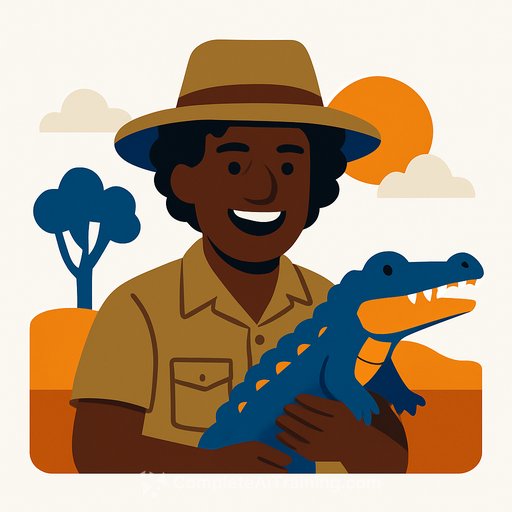
A charismatic outback host named "Jarren" built a six-figure following across Meta by wrangling snakes, chasing wedge-tailed eagles, and talking like a mash-up of Steve Irwin and a TV gardener. The catch: the man, the animals, and the scenes are AI-generated, and the avatar presents as Aboriginal while the account is based in New Zealand. Earlier versions showed white body paint mimicking ochre and a beaded necklace. The creator is believed to be a non-Indigenous person living in New Zealand.
The account says it's "simply about animal stories" and "doesn't represent any culture or group," but the pushback has been loud. Indigenous leaders and academics are calling it cultural appropriation and "AI blackface." The risk isn't just optics. It's consent, identity, and who benefits when culture becomes a content aesthetic.
What Indigenous experts are saying
Indigenous cultural and IP expert Dr Terri Janke calls the realism "remarkable," but says the avatar is misleading and risks "cultural flattening." Her point is simple: whose faces, features, and cultural cues were blended to create this persona-and did anyone agree to it? She warns it can siphon attention and opportunities from real Aboriginal rangers and creators.
Dr Tamika Worrell describes it as digital blackface: a non-Black creator building a Black/Indigenous persona without accountability or consent. She highlights how AI tools can remix images of real people-including those who have passed-into new avatars with no duty to the communities they reflect. That hurts, and it travels fast.
AI scholar Toby Walsh adds the technical layer: models mirror their data, biases included. Stereotypes in training sets become stereotypes on screen. And the "tells" that something is synthetic are vanishing, which means misinformation risk rises while trust declines.
Why this matters for PR and communications
- Misrepresentation risk: Synthetic personas that suggest cultural identity invite backlash and erode credibility.
- Cultural harm: Turning living cultures into content "vibes" without consent is exploitative, even if the intent is education.
- Legal and IP exposure: Indigenous Cultural and Intellectual Property (ICIP) rights and community protocols may be breached.
- Misinformation: Hyper-real content trains audiences to trust what they see, right before the line between real and fake disappears.
- Monetization pitfalls: Claims of "free content" can conflict with past subscription prompts, which looks like a bait-and-switch.
The practical playbook: Do this now
- Use real people for real identities: Do not create synthetic avatars of protected groups. Hire and credit Indigenous talent.
- Get consent in writing: If cultural elements are involved, obtain community consent and agree on benefit-sharing aligned with ICIP.
- Set creative guardrails: Ban culturally significant symbols, language, instruments, and body paint without community approval.
- Label AI content: On-screen disclosures, captions, alt text, and watermarks. Make it obvious and consistent.
- Provenance controls: Keep a register of AI assets, models used, data sources, and approvals. No mystery datasets.
- Bias and safety reviews: Red-team synthetic content for stereotypes and cultural cues. Run sensitivity reads with Indigenous advisors.
- Moderate hard: Prebunk likely harms, apply strict comment filters, and remove racist replies quickly. State your moderation policy.
- Crisis steps on standby: If called out, acknowledge, pause the content, commission an independent review, and fund community solutions-not PR gloss.
- Vendor due diligence: Ask creators and agencies about data lineage, consent, content filters, and any First Nations governance expertise.
- Measure trust: Track sentiment, reports, defamation mentions, and creator partnership share-of-voice versus synthetic content.
How to spot synthetic influencers (for your monitoring)
- Unnatural posting cadence and 24/7 productivity across channels.
- Repeated visual motifs: odd hand shapes, inconsistent lighting, artifacts in fast motion.
- Voice cadence that clips breaths or stresses words oddly; looping background sounds.
- Geography mismatch: location tags versus accent, flora, fauna, or seasonal cues.
- Backfilled timelines: sudden pivot from unrelated content; incomplete early history.
- Refusal to show behind-the-scenes or collaborate live with credible partners.
Responsible use of Indigenous content
Treat Indigenous culture as living knowledge, not stock footage. Engage early, seek permission, and pay fairly. Follow established protocols and codes from recognized bodies.
- AIATSIS for guidance on Indigenous data governance and protocols.
- Arts Law: Indigenous Cultural & Intellectual Property (ICIP) for practical legal considerations.
If you've already published AI-led cultural content
- Disclose the use of AI immediately on all posts and channels.
- Pause related campaigns and launch an independent review with community input.
- Remove cultural signifiers added without consent. Replace with approved edits or retire the asset.
- Announce corrective actions, including partnerships with Indigenous creators and funding commitments.
Team upskilling
Your team needs shared standards for AI use, disclosure, and cultural safety. Train producers, social leads, and approvers, not just legal - and use targeted training like AI Productivity Courses to build practical skills in responsible AI use. Build reflexes before the next crisis, not after.
- AI courses by job function to align comms workflows with ethical AI use.
The takeaway
AI lets anyone create a believable cultural persona at scale. That doesn't mean your brand should. Choose real voices, clear consent, and visible disclosures. That's how you protect trust-and earn the right to tell stories at all.
Your membership also unlocks: