
AI news ·
Abu Dhabi Biobank partners with BioTwin to develop AI digital twins for patients
Abu Dhabi Biobank and BioTwin signed a June 28 pact to build AI Virtual Human Twins. The digital replicas simulate patient responses to predict disease and guide treatments.
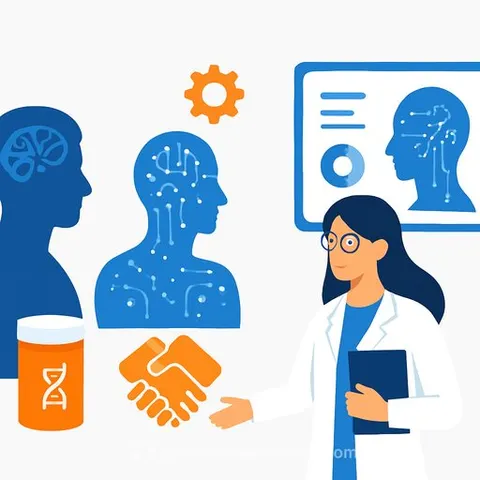
The Abu Dhabi Biobank and BioTwin signed an agreement on June 28 at the BIO International Convention 2026 in San Diego to build AI-powered Virtual Human Twin technology. The partnership merges the biobank's biological, genomic, and clinical data with BioTwin's longitudinal biomarker platform, creating digital replicas of patients that can predict disease risk and guide personalised treatments. The move aims to accelerate research into complex diseases and bring precision medicine closer to routine care in the UAE.
How the digital twin works
Virtual Human Twin technology integrates genomic profiles, blood test results, and data from wearables and IoT sensors to build a dynamic model of an individual's organs and biological systems. These models continuously analyse incoming data to detect early signs of disease and simulate how a patient might respond to different therapies. The approach uses AI to process large-scale, multimodal data - a direction central to many AI for Healthcare applications, where combining such data helps predict patient outcomes.
Clinical applications from early detection to surgery
The technology is designed to support earlier diagnosis of conditions, virtual testing of drug dosages before they reach the patient, and surgical planning for complex operations such as cardiac and neurosurgical procedures. By running simulations on a digital twin, clinicians can evaluate treatment options without exposing patients to unnecessary risk. The partners expect the platform to contribute to precision medicine initiatives that tailor care to an individual's biological profile.
Expanding genomics research and gene-editing partnerships
Separate memoranda of understanding were also signed at the convention. The biobank will explore gene-editing research with Arbor Biotechnologies, focusing on rare and inherited diseases. Another agreement with Novartis Middle East FZ-LLC aims to advance genomics research, build scientific capacity, and develop advanced therapies. These collaborations underscore how AI for Science & Research is becoming essential to modern genomics and drug development.
Why this matters for healthcare professionals
For clinicians and researchers, the Virtual Human Twin offers a new tool for predictive and personalised medicine. Instead of relying solely on population-based data, a digital twin lets you simulate a specific patient's response to drugs or surgical interventions. This can reduce trial-and-error prescribing, improve pre-operative planning, and accelerate clinical trials by using virtual patient models. The partnership also signals growing investment in integrating genomics with real-time biometrics - a shift that will demand new skills in data interpretation and cross-disciplinary collaboration.