Indonesia Ramps Up AI Literacy in Aceh: What It Means for PR and Communications
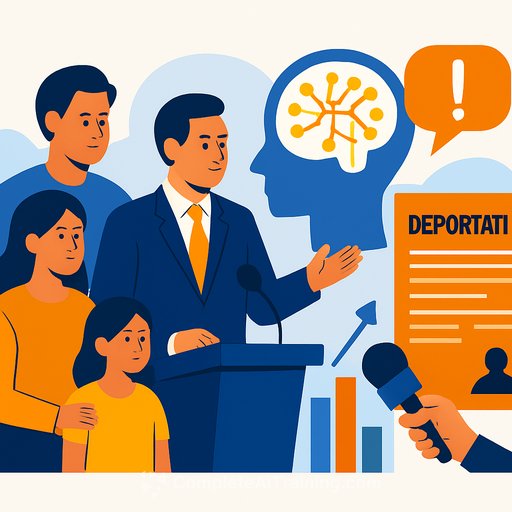
Indonesia's Ministry of Communications and Digital Affairs has kicked off a series of public discussions in Aceh to raise awareness around AI's impact, ethics, and opportunities. The program, run with the Press Council, brought together local journalists, student reporters, and community representatives under the banner "Smart Literacy in the AI Era."
The goal is clear: help media and communities stay accurate, relevant, and accessible as AI adoption accelerates. The talks spotlighted ethics, innovation potential, and the risks AI poses to information integrity and human behavior.
What Happened
Officials emphasized that Indonesians are using more generative AI tools for text, images, audio, and video. Convenience is up-but so are the stakes for responsible use.
Two presidential regulations are in the works: a national AI development roadmap and a set of AI ethics guidelines. Both aim to support an inclusive, safe, and sovereign digital ecosystem.
Why This Matters for PR and Communications
- Information integrity: AI speeds content production, but it also raises the risk of unverified claims, model bias, and unintentional misinformation.
- Trust and transparency: Audiences expect clarity on how content is created. Disclosure policies around AI use are moving from "nice to have" to baseline.
- Crisis risk: Manipulated media and synthetic voices can trigger reputational issues in hours, not days. Response playbooks need updates.
- Skills shift: Prompting, verification workflows, and AI QA are now core communication skills-especially for lean teams under deadline pressure.
Key Takeaways from the Talks
- Critical thinking and fact-checking must be embedded into daily workflows, not treated as a final step.
- Ethical use of AI should be documented: what tools, for which tasks, and how outputs are verified.
- Creative projects using AI are encouraged-especially those that serve public programs like Sekolah Rakyat-so long as standards for accuracy and consent are in place.
Practical Moves for Your Team This Quarter
- Publish an AI Use Policy: Define approved tools, disclosure rules, review steps, and data privacy standards (no sensitive inputs into third-party tools).
- Add a Verification Layer: Require human review, source citations, and model-output checks for all AI-assisted content.
- Stand Up a Deepfake Protocol: Monitoring, rapid escalation, pre-approved statements, and legal contacts-ready to deploy.
- Train Your Bench: Short sessions on prompting, bias awareness, and ethical guidelines-measured by real content audits.
- Audit Your Content: Run monthly samples through fact-checking and plagiarism checks; document corrections and learning.
Policy Signals to Watch
The government is drafting two presidential regulations: a national AI roadmap and ethics guidelines. Expect rising expectations around transparency, data protection, and accountability in content workflows.
For broader context on global norms, see the OECD AI Principles and UNESCO's guidance on AI ethics here.
Opportunities for Ethical Creativity
There's room to use AI for public interest stories, education campaigns, and local initiatives-without sacrificing trust. Pilot small, measurable projects, publish your standards, and invite feedback from your community.
The message from the talks was straightforward: use AI to improve access and efficiency, but keep human judgment, transparency, and accountability front and center.
Helpful Resources
- AI courses by job function for communication teams building practical skills.
- AI tools for copywriting to test responsibly with disclosure and review in place.
Bottom line: Treat AI as a force multiplier-then back it with policy, proof, and people who can spot what the model misses.
Your membership also unlocks: