Adobe AI Foundry: a practical path to "copyright-safe" generative AI for brands
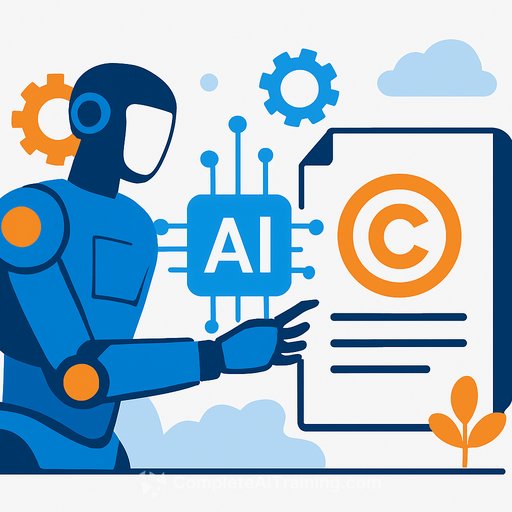
Generative AI can crank out content. What most teams need, though, is content that's on-brand and low-risk. Adobe's new AI Foundry pitches exactly that: custom models built on a company's own IP, on top of Adobe Firefly, with the promise of commercially safe outputs.
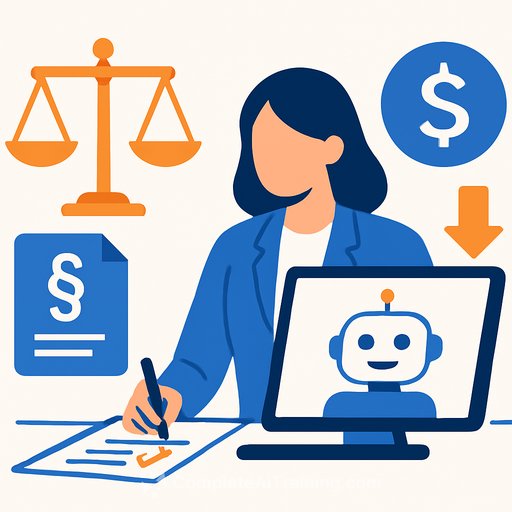
For legal teams, this isn't just a feature update. It's a potential shift in how marketing and design scale content while staying inside rights, licenses, and brand standards.
What Adobe is offering
AI Foundry pairs enterprises with Adobe experts to build bespoke models aligned to brand guidelines. Because Foundry builds on Firefly, it can generate text, images, audio, and video while leaning on Adobe's sourcing posture for training data.
Adobe says these models are commercially safe: training data is sourced from creators and a brand's own IP-rather than indiscriminately scraped data. The positioning is clear: a safer alternative to general-purpose systems, such as OpenAI's Sora, for content destined for campaigns and commerce.
Why legal teams should care
- Lower infringement exposure: If training data is licensed or owned, you reduce obvious copyright and publicity-rights conflicts.
- Brand consistency: Models trained on your assets help avoid off-brand outcomes that trigger costly rework or regulatory flags.
- Evidence on file: With the right logs and documentation, you can show how content was produced if a claim surfaces.
Due diligence checklist before you greenlight Foundry
- Training data provenance: Request a written inventory of sources, license types, contributor releases, and any exclusions. Confirm no scraping from disallowed sites or datasets.
- Use-of-IP scope: Define what internal assets you will contribute, who owns improvements, and whether the model may learn from or retain your data beyond your tenancy.
- Indemnity terms: Seek a duty to defend, clear carve-outs, and meaningful caps. Confirm process and timelines for handling third-party claims.
- Auditability: Secure access to model cards, training/change logs, data lineage reports, and content generation logs tied to your tenant.
- PII and sensitive data: Ensure redaction, minimization, and data residency controls meet your compliance needs.
- Output controls: Define filters, brand rules, and human review steps for higher-risk assets (ads, regulated product copy, endorsements).
- Content credentials: Ask whether exports include tamper-resistant provenance (e.g., Content Credentials via C2PA) and watermarking where appropriate.
- Hallucination and safety: Require documented guardrails, evaluation metrics, and a process to correct harmful or factually wrong outputs.
- Termination and portability: Stipulate model and data deletion, retention windows, and what artifacts you can export if you switch vendors.
- Insurance: Confirm coverage for IP infringement and media liability, including first- and third-party costs.
Operational guardrails that keep you out of trouble
- Tiered approvals: Route higher-risk content through legal and brand review automatically.
- Template libraries: Lock down disclaimers, disclosures, and license-required language for repeat use.
- Prohibited inputs list: Block feeding third-party IP you don't own or can't license into the model.
- Content credentials: Embed provenance data by default and train teams to preserve it across edits.
Scale pressure is real-and measurable
Adobe shared survey data showing 71% of marketers expect content demand to grow more than fivefold by 2027. Foundry's pitch is to keep pace without drifting off brand or into legal gray zones. That also explains Adobe's LLM Optimizer, now generally available, which helps brands see their presence across major chatbots like ChatGPT, Gemini, and Claude.
Pricing and how to try it
Pricing is bespoke and depends on the services selected. Practically, that means your contract will do most of the risk work-so involve legal early and lock terms before pilot content goes live.
The personalization race
This move fits a bigger industry push to personalize AI outputs for each business. Anthropic introduced Skills for Claude, giving users more control over task execution. OpenAI has also signaled a stronger focus on personalization. The takeaway: generic models are everywhere; distinct brand outputs-and clear rights-are where the value sits.
What this means for counsel
- Don't accept "commercially safe" at face value-verify licenses, releases, and logs.
- Structure strong indemnities, audit rights, and deletion/portability commitments.
- Bake governance into workflows so teams don't accidentally create liability at scale.
Useful resources
- Learn more about Adobe's Firefly platform: Adobe Firefly
- Upskill your team on AI risk, policy, and contracts: Complete AI Training - Courses by Job
Your membership also unlocks: