
AI news ·
Advisors warn AI-generated financial plans can contain costly errors
AI-generated financial plans often look polished but contain fundamental errors, advisors warn. Missing inputs-like pension benefits or tax exposure-can lead to costly mistakes clients won't catch on their own.
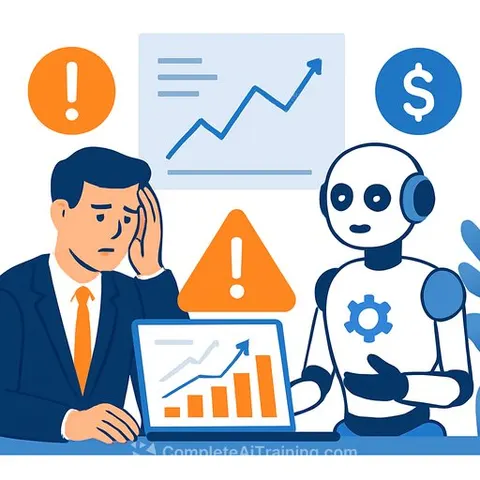
AI Financial Plans Look Polished but Can Hide Expensive Errors, Advisors Warn
Financial advisors are increasingly seeing clients walk in with AI-generated financial plans, asking for a second opinion. What they're finding is troubling: the plans often look professional and well-organized, but contain fundamental mistakes that could cost clients significant money.
The core problem is that clients don't always know what information AI systems need to produce accurate recommendations. They may omit crucial details about their tax situation, existing investments, or life circumstances. The AI generates output anyway.
"The outputs can't replace professional judgment," advisors say. Even polished-looking plans frequently contain errors that would be expensive to act on.
The Information Gap
AI financial planning tools require specific inputs to work properly. A client might know their age and rough savings amount but miss details that fundamentally change the math: existing pension benefits, spousal income, state tax exposure, or upcoming major expenses.
When clients use these tools without professional guidance, they often provide incomplete information. The AI doesn't know what it's missing. It produces a plan anyway-one that appears comprehensive but rests on a shaky foundation.
Professional Judgment Still Matters
Advisors emphasize that AI-generated plans lack the contextual understanding that comes from knowing a client's full situation. A plan might recommend aggressive growth investments without accounting for a client's actual risk tolerance or upcoming retirement date. It might ignore tax-efficient withdrawal strategies or overlook spousal coordination opportunities.
These aren't minor issues. A single miscalculation in asset allocation or withdrawal sequencing can reduce retirement security significantly over decades.
What This Means for Your Practice
If clients are bringing AI-generated plans to you, treat them as a conversation starter, not a foundation. Ask detailed questions about how the plan was created and what assumptions it uses. Look for gaps in the inputs. Verify the math independently.
This also presents an opportunity. Clients who've tried AI tools and found them lacking are primed to understand the value of professional advice. You can show them specifically where the AI plan falls short and why your approach produces better outcomes.
For more on how AI tools work and where they fail, see our AI for Finance resources or the AI Learning Path for CFOs, which covers AI capabilities and limitations in financial contexts.