
AI news ·
Advyzon weighs AI opportunities and risks in wealth management
Wealth management firms are adopting AI to automate routine tasks but face real risks-including bad recommendations and compliance gaps. Managers must define clear boundaries around which decisions AI can make and which require human review.
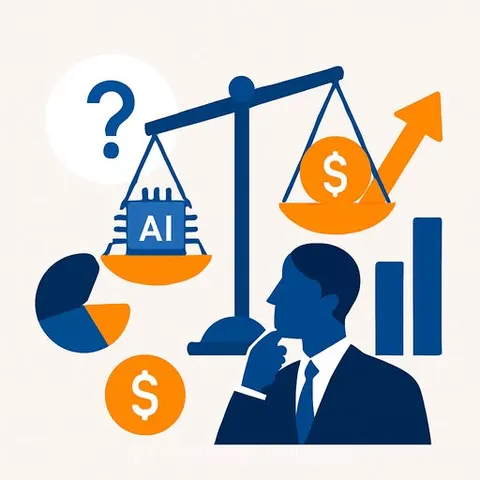
Wealth Management Firms Grapple With AI's Dual Nature
Wealth management platforms are adopting artificial intelligence tools while wrestling with the risks they introduce. The tension between opportunity and danger is forcing advisors and their managers to make concrete decisions about where AI belongs in client relationships.
Advyzon, a wealth management platform, has become a focal point in this debate. The company sees AI as a tool that can handle routine tasks-freeing advisors to focus on strategy and client relationships. But the same capability that makes AI useful also creates exposure.
Where AI Adds Value
Managers overseeing advisory teams report that AI handles administrative work efficiently. Document preparation, data organization, and initial client communications can be automated, reducing the manual overhead that pulls advisors away from higher-value work.
For practices managing multiple client accounts, this efficiency gain translates to cost savings. It also means advisors spend less time on repetitive tasks and more time on financial planning conversations.
The Risks Managers Need to Address
The same AI systems that improve efficiency can produce errors that damage client relationships and create compliance problems. Incorrect recommendations, hallucinated data, or misapplied tax rules expose firms to liability.
Managers must establish clear guardrails: which decisions AI can make independently, which require human review, and which should never be delegated to algorithms. Without these boundaries, firms risk regulatory action and client disputes.
The regulatory environment remains unsettled. Compliance teams are still determining how existing rules apply to AI-generated advice and recommendations.
What Management Needs to Know
Firms implementing AI should conduct a capability audit. What specific tasks does your team spend time on? Which of those could AI handle safely? Which decisions require human judgment or regulatory oversight?
Training matters. Advisors and support staff need to understand what the AI can and cannot do. Overconfidence in the system creates the same problems as underutilization.
Documentation is essential. If an AI tool contributes to a recommendation or decision, that involvement should be recorded. This protects the firm and provides clarity if a client dispute arises.
For managers in AI for Management and AI for Finance, the practical question is straightforward: AI is a tool that works best when its limitations are understood and its outputs are verified. The firms that treat it as a replacement for judgment will face problems. The ones that use it to amplify human expertise will gain an advantage.