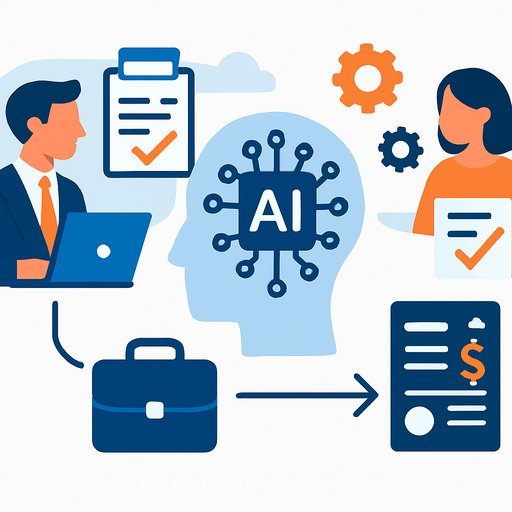
Agentic AI slashes operating expenses while streamlining workflows for B2B operations
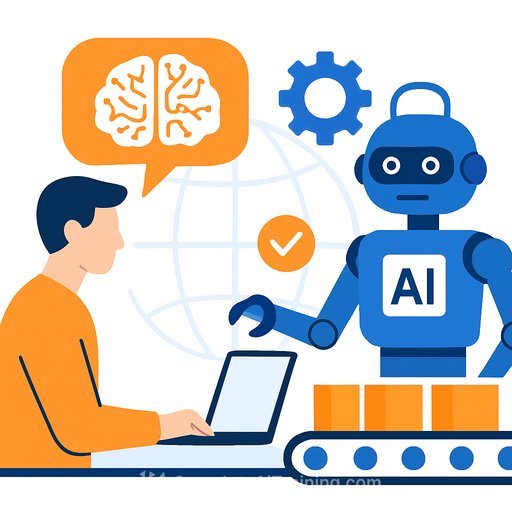
Ops teams are under pressure to reduce costs, move faster, and keep controls tight. Traditional, rule-based automations help, but they break when processes shift. Agentic AI takes a different approach: it coordinates work across systems, makes decisions with context, and learns from outcomes to improve over time.
"Since adopting Agentic AI, our sales operations team eliminated manual processes. The platform syncs client records across CRM and ERP invoicing, saving hours daily." - Richard Weil
What Agentic AI does for operations
- End-to-end orchestration: Connects procurement, supply chain, and customer onboarding so approvals, handoffs, and exceptions flow in real time.
- System sync without swivel-chair work: Keeps CRM, ERP, and invoicing aligned to cut duplicate entry and mismatched records.
- Smart tasking: Automates vendor communications, routes contract approvals, and monitors inventory with alerts before thresholds are hit.
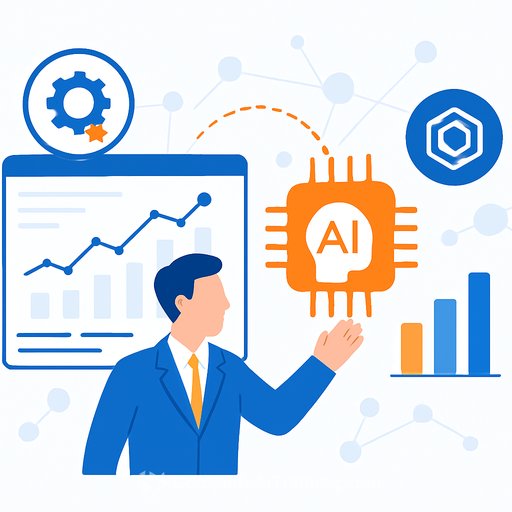
- Unified visibility: Consolidates data from disconnected tools into live dashboards for faster, data-driven decisions.
- Scales without extra headcount: Handles higher transaction volumes and complexity while protecting margins.
- Governance built-in: Audit trails, monitoring, and policy controls support compliance across regions and business units.
- Low-friction updates: Audio briefings and podcast-style summaries keep stakeholders aligned without more meetings.
Where the savings show up
- Fewer manual touches and rework from bad data or missed approvals.
- Faster cycle times across P2P, O2C, and onboarding.
- Lower exception rates and fewer end-of-month surprises.
- Better working capital from tighter invoicing and inventory signals.
Pain points it solves for Ops
- Manual procurement steps that stall POs and vendor onboarding.
- Invoicing delays due to mismatched records across CRM and ERP.
- Data silos that block accurate forecasting and capacity planning.
- Heavy compliance overhead without clear audit trails.
Fast path to a 30-day pilot
- Pick 1-2 workflows: Example: vendor onboarding and invoice matching.
- Define success: Target cycle time, touches per transaction, and exception rate.
- Map the path: Current SOPs, approvers, and systems (CRM, ERP, ticketing).
- Connect systems: Use API connectors for read/write sync and event triggers.
- Automate approvals and comms: Policy-based routing, reminders, and vendor updates.
- Set controls: Access rules, audit logging, change tracking.
- Launch with 5-10 users: Run for two cycles, review metrics, expand.
Metrics Ops leaders should track
- Cycle time (RFQ-to-PO, onboarding time, order-to-cash)
- Touches per transaction and percent straight-through processing
- On-time approvals and exception rate
- Cost per invoice and cost per PO
- Inventory turns and stockout incidents
- DSO/DPO and dispute rate
- SLA adherence and audit findings
Implementation notes
- Integration: Start with the smallest set of systems that moves a full workflow (e.g., CRM + ERP + e-sign).
- Data quality: Lock in owners for master data and define golden sources to cut reconciliation time.
- Change management: Keep steps visible, explain why each automation exists, and give teams a feedback loop.
- Controls: Tie automations to policies and keep every decision traceable for audits. For reference, see the NIST AI Risk Management Framework.
- Business case: Anchor ROI to cycle time, labor hours saved, and error reduction-not just license cost.
Why this matters now
As operations scale, complexity creeps in. Agentic AI keeps processes consistent and predictable without piling on manual work. That helps teams respond faster to customer needs, supply shifts, and month-end deadlines-while keeping governance intact.
Inside the 1C Publishing Agentic AI platform
- Agentic automation core: Executes tasks, coordinates workflows, makes informed decisions, and improves with results.
- Unified workspace: Replaces scattered spreadsheets, dashboards, and manual reporting with a single system for collaboration.
- Operational safeguards: Real-time monitoring, audit trails, and policy checks reduce operational risk and support compliance.
- Communication add-ons: Audio briefings and podcast-style updates help leaders stay current without extra admin work.
Next step for Ops teams
If you're planning an automation pilot or upskilling your team, these resources can help:
About 1C Publishing
1C Publishing builds intelligent business solutions that streamline operations and support sustainable growth. With a focus on AI automation, data integration, and adaptive intelligence, its Agentic AI platform unifies fragmented workflows into a single environment, delivering real-time insights and scalable performance for B2B enterprises worldwide.
Your membership also unlocks: