Agentic AI moves from demo to daily operations across KSA's giga-projects
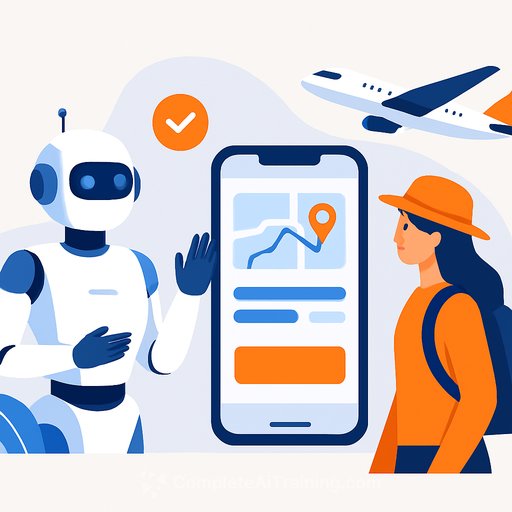
Saudi Arabia's tourism push is now testing whether agentic AI can handle real visitor operations at scale under Vision 2030. The question isn't "can AI personalize?" It's "can autonomous agents manage disruptions, re-plan itineraries, and coordinate entire trips across airlines, hotels, transport, and venues without hand-holding?"
As one industry leader put it, the shift is from reactive advice-giving to proactive action-taking. This is moving from theory to operational reality.
What this means for hospitality and events teams
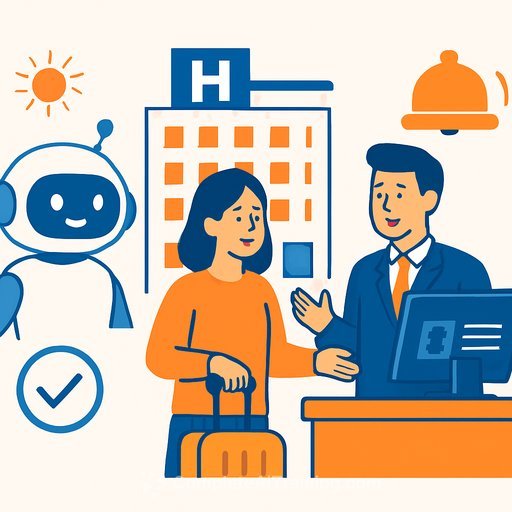
Agentic AI is being positioned as a quiet coordination layer that links airlines, hotels, giga-projects, and government platforms. Instead of your team firefighting delays, overbookings, or crowd bottlenecks, autonomous systems handle the logistics in real time while staff focus on service and experience.
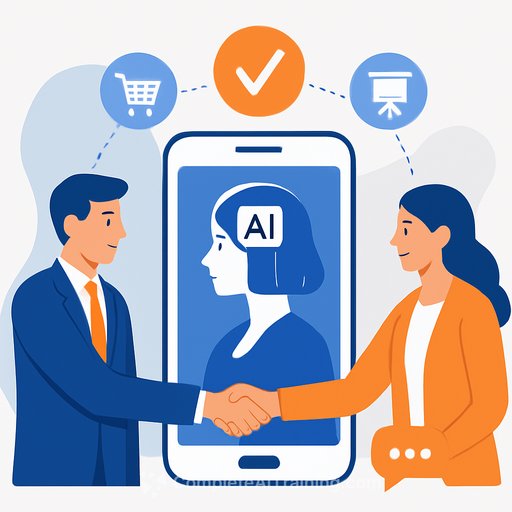
The breakthrough is autonomous journey orchestration: agents that can re-plan itineraries instantly, pre-position staff and resources, and complete transactions on behalf of guests within approved guardrails.
Interoperability beats bigger models
Tourism is different from e-commerce or banking. No single operator owns the full chain. That makes interoperability and shared protocols more important than the size of any one model. The initiative coming out of Riyadh aims for unified, standards-driven orchestration so agents act consistently from inspiration to return-beyond isolated pilots.
For context, standards like IATA's NDC are already reshaping how air offers and disruptions are coordinated across systems. See IATA NDC. Vision 2030 provides the national context and coordination to push this at scale. Vision 2030 overview.
What multi-agent collaboration looks like
- A guest-owned AI submits preferences, budget, and constraints.
- An airline agent returns flight options plus disruption protocols and rebooking logic.
- A hotel agent confirms rooms, perks, accessibility needs, and sustainability options.
- A destination agent syncs ground transport, venue access, events, and local policies.
- All agents coordinate changes in real time if anything slips: delays, weather, demand surges.
DID YOU KNOW
- Saudi Arabia is testing AI that can re-plan full itineraries and handle disruptions in real time.
- Autonomous agents could manage flights, hotels, transportation, and experiences without guest intervention.
- Multi-agent collaboration aims to make travel seamless across operators, from booking to departure.
Risks you need to manage
Governance and accountability come first. Autonomous decisions touch safety, satisfaction, and inventory. You'll need clear oversight, approvals, and audit trails to keep humans "on the loop."
Watch for common failure modes: unclear performance criteria, loss of executive sponsorship, and carrying over old tourism metrics that don't fit agent-based operations. Also consider value distribution: automation can skew demand capture if smaller operators are left off the grid.
Talent is the swing factor
Technology is only as good as the people supervising it. Change management and workforce adoption can quietly derail strong technical builds.
Build not just users, but architects and supervisors who can design and improve agentic workflows. This is not about cutting staff-it's about removing friction so hosts, guides, planners, and local partners can focus on moments that matter.
A practical 90-day plan for operators and venues
- Map guest flows and top failure points across your ecosystem (air, hotel, transport, venue access).
- Select one high-impact use case (e.g., flight delay to hotel re-accommodation and transfer rebooking).
- Stand up a pilot that connects 2-3 systems (PMS/CRS, transport, ticketing) with clear APIs.
- Define guardrails: which actions agents take automatically vs. which require human approval.
- Create playbooks for delay, overbooking, surge demand, and VIP handling with agent handoffs.
- Set data-sharing agreements and SLAs across partners; include rollback and dispute paths.
- Train frontline teams on exception handling, escalations, and communicating AI-driven changes to guests.
- Establish governance: RACI, audit logs, shadow-mode testing, and incident response drills.
- Measure time-to-recover from disruptions, guest satisfaction, and staff time shifted from admin to service.
Metrics that matter (replace legacy vanity stats)
- Disruption recovery time: minutes from trigger to guest-notified resolution.
- Proactive save rate: % of issues resolved before guest reports them.
- Transaction completion rate: % of agent-initiated changes finalized without human intervention.
- Inventory utilization lift: uplift from real-time reallocation (rooms, transport, event seats).
- Staff time reallocation: hours moved from admin to guest-facing service.
- Fair value index: how benefits are shared across partners vs. concentrated.
Why KSA is a live testbed
Giga-projects give the Kingdom controlled environments to trial multi-agent collaboration at scale. Government convening power, private sector build speed, and international partnerships create conditions to move from white papers to daily operations.
If this succeeds, agentic AI won't be a showcase-it will become the operational backbone of tourism under Vision 2030.
Where to skill up your teams
If you're leading a hotel, venue, or multi-operator attraction, upskill supervisors and ops leads on workflows, guardrails, and data contracts. Curated learning paths can accelerate adoption.
- AI courses by job role
- Certification: AI automation
- AI Learning Path for Training & Development Managers
Bottom line for hospitality and events
Interoperability-first design and clear governance will decide who wins. Start small, automate the friction, keep people in control, and scale what works across partners.
The guest won't see the agents. They'll feel the difference: fewer headaches, faster fixes, and staff who finally have time to deliver real hospitality.
Your membership also unlocks: