AI Agents in 2025: How Autonomous Systems Are Transforming Operations
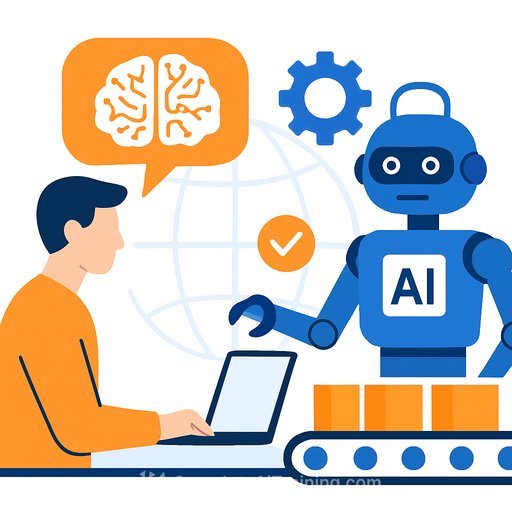
Operations teams are under pressure to move faster with fewer resources. AI agents are the leverage point. They take goals in plain language, decide what to do next, and execute work across your stack-without babysitting.
From customer support to DevOps and finance, these systems cut cycle times, trim costs, and keep processes consistent. Below is a clear, practical breakdown of how they work and how to roll them out with guardrails.
What Are AI Agents?
AI agents are autonomous systems that understand objectives, analyze context, and act to produce a measurable outcome. They behave like digital teammates, not static scripts.
- Interpret natural language
- Make real-time decisions
- Call tools, APIs, and databases
- Learn from results and adapt
- Execute multi-step workflows end-to-end
How AI Agents Work: The Core Framework
1. Input Processing
Agents receive instructions through text, voice, forms, or system triggers. They normalize inputs and capture constraints like deadlines, SLAs, and approval rules.
2. Goal Interpretation
Using language models and planning logic, the agent breaks a broad objective into actionable subtasks. It sets sequence, dependencies, and success criteria.
3. Tool & Knowledge Access
Agents connect to the systems you already use and the data they need to work:
- CRM and ticketing platforms
- Email and chat systems
- Code repositories and CI/CD
- Financial systems and data warehouses
- Knowledge bases and policy docs
4. Workflow Execution
The agent executes tasks autonomously-sending emails, updating records, generating reports, deploying code, or raising approvals. It logs actions for audit and rollback.
5. Learning & Optimization
Performance data feeds back into the agent. It improves prompts, routing, and tool selection over time to reduce errors and cycle time.
Top Business Use Cases of AI Agents in 2025
1. Customer Support Automation
- Ticket triage and resolution
- FAQs and policy lookups
- Order tracking and refunds
- Conversational support across channels
Result: shorter wait times, consistent responses, and 24/7 coverage without staffing spikes.
2. Sales & Marketing Automation
- Lead qualification and routing
- Outbound sequencing with personalization
- CRM hygiene and enrichment
- Campaign analysis with optimization suggestions
3. AI Agents in Software Development (DevOps Agents)
- Diagnostics and alert correlation
- Code deployment and rollback
- Health monitoring and failure prediction
- Auto-remediation for known issues
4. Finance & Risk Management
- Transaction matching and reconciliation
- Fraud detection and anomaly flags
- Automated reporting and variance analysis
- Credit risk monitoring and compliance checks
5. HR & Talent Management
- Resume screening and shortlisting
- Onboarding workflows and policy acknowledgments
- Payroll checks and data sync
- Skill gap analysis and learning paths
Benefits of AI Agents for Modern Operations
- Massive productivity gains: Offload repetitive work so teams focus on improvements and exceptions.
- Cost reduction: Lower labor hours per process and minimize rework.
- Better decisions: Agents scan data in seconds and surface recommendations with context.
- 24/7 operations: Continuous execution without overtime or handoff delays.
- Error reduction: Fewer manual steps and consistent adherence to rules.
How to Implement AI Agents in Your Organization
Step 1: Identify High-Impact Workflows
Start where volume is high, rules are defined, and outcomes are measurable. Prioritize tasks that drain hours and slow handoffs.
- Customer emails and ticket handling
- Database updates and report generation
- Lead follow-ups and CRM maintenance
- Release tasks and health checks
Step 2: Choose the Right AI Agent Framework
Pick based on control, speed, and security needs: custom LLM agents, enterprise platforms, or no-code tools. Ensure they support tool calling, memory, and role-based access.
Step 3: Integrate Your Tools & Data Sources
Connect CRMs, ERPs, data warehouses, cloud platforms, and approval systems. Standardize schemas and define clear interfaces for each task the agent performs.
Step 4: Define Guardrails & Compliance Policies
Lock down permissions, PII handling, audit trails, and escalation paths. Align with internal governance and recognized frameworks such as the NIST AI Risk Management Framework.
Step 5: Test, Deploy & Optimize
Pilot narrow tasks with clear SLAs. Track precision, latency, exception rate, and savings. Scale to mission-critical workflows once performance is stable.
Real-World Example: How AI Agents Are Reshaping B2B Workflows
Operations teams are deploying agents to run front-to-back processes that used to span multiple handoffs. A typical stack looks like this:
- Automated prospecting with enrichment and routing
- Multi-channel content distribution and tracking
- AI-led data cleanup across CRM and billing
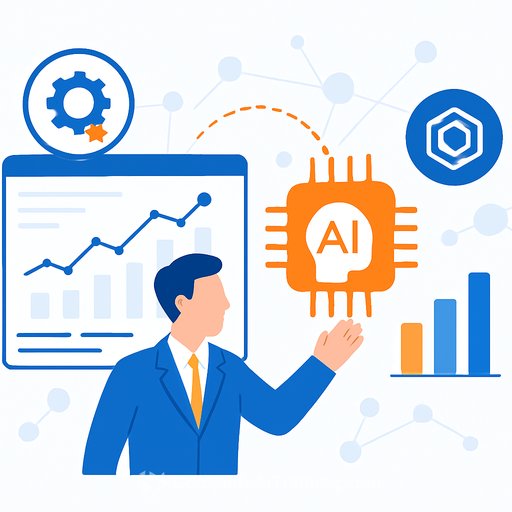
- Predictive analytics for pipeline and churn
- Intelligent routing for tickets, approvals, and incidents
The outcome is fewer queues, tighter SLAs, and clear visibility into where work stalls-and why.
Future of AI Agents: What's Next?
- Greater autonomy with clearer checkpoints and approvals
- Stronger memory systems for context that persists across tasks
- Deeper integrations with core enterprise tools and identity systems
- Multi-agent collaboration that mirrors team workflows
The operations edge goes to teams that standardize on agents early, measure results, and keep iterating.
Get Started
Want practical training to upskill your team and roll out AI agents with confidence? Explore role-based programs at Complete AI Training.
Your membership also unlocks: