AI in Fintech Banking: Catalyst for Product Innovation or the End of Traditional Bank Distribution?
The way we interact with banks has changed dramatically. Branches were once the hub of financial activities. Then came ATMs, online portals, and mobile apps, giving customers more control. Today, open banking and Banking-as-a-Service (BaaS) have shifted the interface away from banks themselves, placing third parties at the forefront of innovation in consumers’ financial lives.
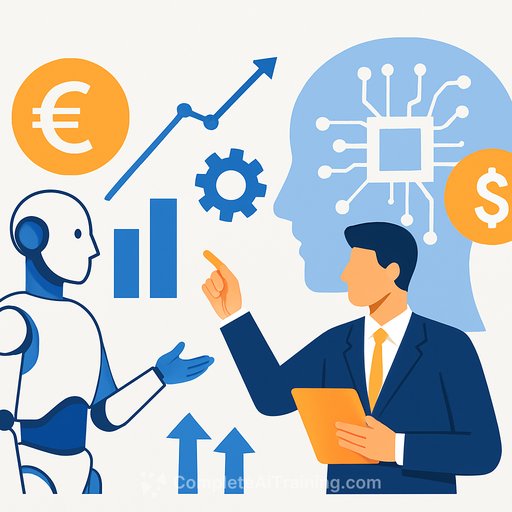
The next major disruption comes with AI-powered financial agents that could redefine how customers engage with financial products. These intelligent agents can scan the market and recommend offerings from a range of providers, many outside traditional banks. While banks can deploy their own AI agents, customers may prefer an independent agent that offers unbiased advice. This means banks might lose control over the customer interface, raising the question: can they own the intelligence behind the offers?
AI as an Amplifier for Banking Products
With basic financial services becoming commoditized and accessible via APIs, the true differentiator will be product innovation. It’s no longer about owning the channel but about creating compelling, user-focused products that solve real problems and add genuine value.
For product developers, this means focusing on:
- Designing seamless user experiences with innovative features that engage customers.
- Building highly specialized products that leverage unique bank data and expertise.
- Ensuring products are modular, API-enabled, and transparent in pricing and eligibility to integrate easily with AI agents.
These steps help banks avoid becoming invisible utilities and instead position their products to be actively recommended by AI agents and third-party platforms.
Collaboration Over Competition
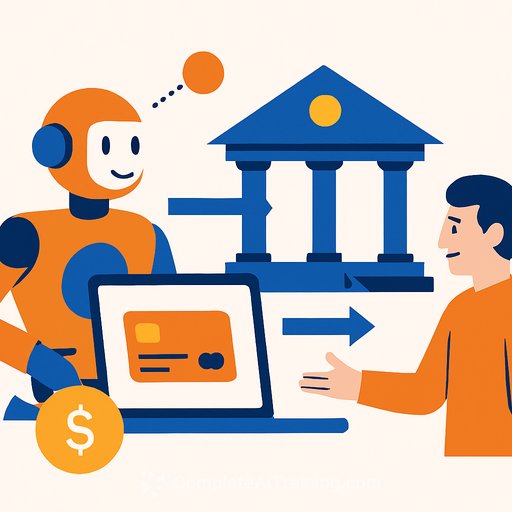
Rather than viewing AI agents and third-party platforms as threats, banks can see them as powerful distribution channels. For example, an AI agent might identify a customer’s specific financial need and suggest a bank’s product they wouldn’t have found otherwise.
Human expertise remains vital. AI can augment decision-making by accelerating pricing intelligence and improving workflow orchestration, but oversight by financial professionals ensures compliance and accuracy.
Third-party platforms also offer banks access to new customer segments and valuable insights, helping product teams tailor future offerings more effectively. BaaS models enable banks to provide regulatory compliance and infrastructure, powering innovative products developed by others and opening new revenue streams.
Strategic Steps for Product Teams
- Align internal systems: Modular and personalized product delivery requires seamless coordination across retail and commercial banking divisions.
- Build and maintain trust: A strong brand that prioritizes transparency and consistent value can influence AI-driven recommendations.
- Focus on product differentiation: Develop deeply integrated, unique offerings—like hyper-personalized financial planning or niche platform integrations—that stand out.
- Engage in partnerships: Embed products within popular third-party platforms via APIs, ensuring presence where customers interact, even if outside branded channels.
The future of banking is collaborative. Success lies in shifting focus from “owning” the customer relationship to delivering indispensable value through standout products, accessible wherever customers choose to engage.
For product professionals interested in expanding AI skills relevant to financial services, exploring [Complete AI Training’s latest courses](https://completeaitraining.com/latest-ai-courses/ "Latest AI courses") can provide practical knowledge on AI tools and integration strategies.
Your membership also unlocks: