AI + Social Media Literacy: A Practical Pair for a Safer Information Ecosystem
PUTRAJAYA - Communications Minister Datuk Fahmi Fadzil made a clear case: artificial intelligence is useful, but it needs to be paired with strong digital and social media literacy to keep the information ecosystem safe, ethical and responsible.
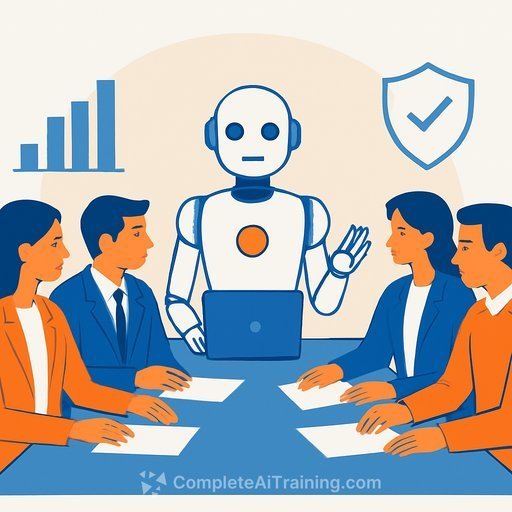
AI can flag risks, add context and detect falsehoods. But without informed users and teams who can judge source quality and intent, the system fails. As Fahmi put it, "We have to fight AI with AI," while raising the baseline of literacy across the public and the press.
What this means for PR and Communications teams
- Adopt a two-layer defense: AI for detection and triage; trained humans for judgment and final calls.
- Standardize verification: Create a short, shared process for validating claims before you post, reply or brief leadership.
- Plan for speed: Viral misinformation moves fast. Build response templates and approval paths ahead of time.
- Educate continuously: Keep teams sharp on media literacy, bias cues, platform dynamics and AI limitations.
Fighting AI with AI: a practical stack
- Early warnings: Use AI-driven social listening to surface unusual spikes, coordinated behavior and suspect narratives.
- Context engines: Apply agent-based AI to cross-check claims, pull source history and surface contradictions.
- Content integrity checks: Run automated scans for manipulated media and suspicious posting patterns.
- Risk scoring: Tag claims by reach, sensitivity and credibility so leaders see priorities at a glance.
Example: Using Grok on X for quick context
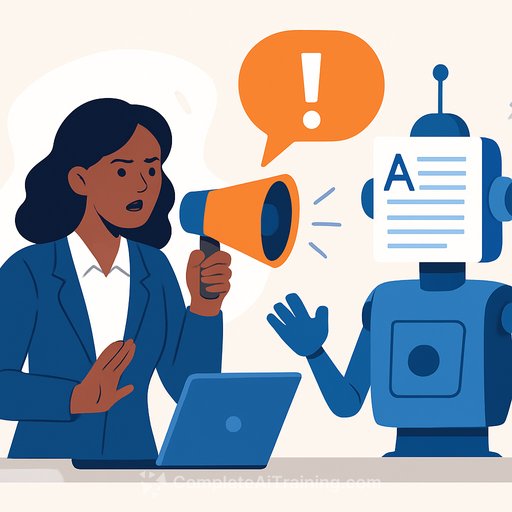
Fahmi highlighted X's Grok as a way to add early context to viral claims. It won't be perfect, but it can speed up your first pass before a human verification step. Treat it as a signal, not a verdict.
30-minute response workflow for viral claims
- Minute 0-5: AI surfaces the claim; auto-collects original posts, timestamps, prior mentions.
- Minute 5-15: Agentic AI checks against reputable sources; flags logical gaps and known hoaxes.
- Minute 15-25: Human reviewer validates sources, drafts a holding line and key facts; legal/exec gets a one-screen summary.
- Minute 25-30: Publish the holding line; monitor for shifts; schedule the next update with added evidence.
Everyday literacy behaviors to train into your team
- Pause before reposting: Verify original source and timestamp; check if screenshots match live posts.
- Triangulate: Confirm with at least two independent, credible sources.
- Context first: Quote primary data, not summaries. Link to source material where possible.
- Flag uncertainty: Use clear labels ("unverified," "under review") to set expectations.
Policy, measurement and governance
- Define thresholds: What triggers a holding statement, a correction or a full press briefing?
- Track outcomes: Time to detection, time to first response, share of voice recovery, sentiment swing and misinformation dwell time.
- Run drills: Simulate a fast-moving claim monthly; audit gaps in tools, roles and approvals.
Why this matters now
Fahmi's stance is pragmatic: AI is a support system that adds speed and coverage, while literacy protects against false certainty and manipulation. Combine both, and you reduce public confusion, reputational damage and the cost of late corrections.
Further reading and training
Bottom line: pair AI detection with disciplined literacy and a tight workflow. That's how you keep your messages clear, your stakeholders informed and your brand trusted.
Your membership also unlocks: