AI Tools Set to Transform Australia's Maritime Operations
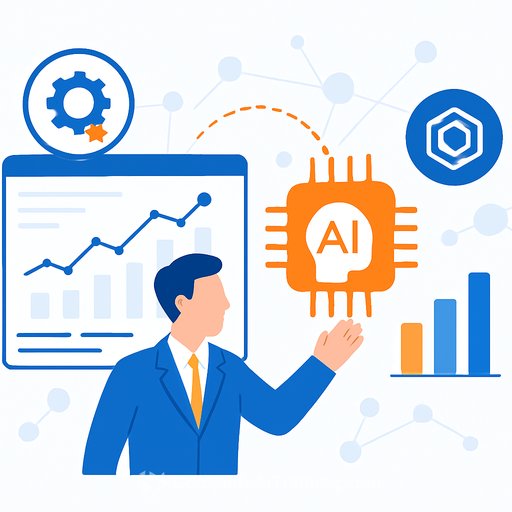
South Australia has kicked off Phase 2 of the Deep Blue project, a practical push to modernize ports and coastal assets. At the core is BMT's ADAPT platform-an AI-driven, cloud-based system that unifies data from autonomous vessels, metocean sensors and models into one operational view.
The result: fewer unnecessary dredging runs, more reliable channel access and smarter maintenance planning. Early deployments point to measurable gains in fuel use, scheduling and environmental performance-because decisions are made on fresh data, not yesterday's reports.
Why this matters for port and coastal operations
- Shift from reactive monitoring to predictive planning for channels, berths and fleets.
- Use near real-time insights to reduce dredging windows and avoid low-value transits.
- Tighten ETA accuracy, cut delays and coordinate maintenance without disrupting throughput.
- Create a single source of truth across hydrographic, weather, traffic and asset data.
How the tech stack fits together
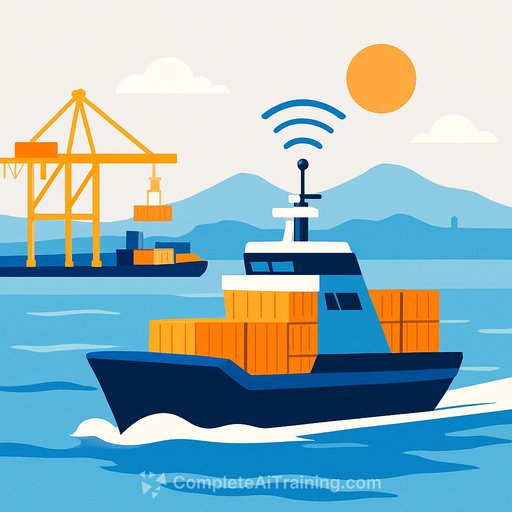
ADAPT ingests live feeds from sensors and autonomous surface vessels, runs predictive models and surfaces clear actions for operators. Trials with Ocius Technology's renewable-powered Bluebottle vessels show continuous, crew-free monitoring at sea, feeding richer data into planning systems.
Combined with BMT's DEEP system for remote control, surveillance and coastal asset management, the stack forms a scalable digital backbone for port operations. This supports both environmental goals and operational resilience as global ports push to upgrade legacy processes. For more on the vessels, see Ocius Technology, and for the regional context, visit South Australia's Department of Infrastructure and Transport.
What to pilot next (practical playbook for Ops)
- Define success: pick 3-5 KPIs (channel uptime, dredging hours avoided, forecast accuracy, ETA variance, fuel per transit).
- Map data sources: AIS, tide and wave sensors, siltation surveys, weather, asset logs. Close gaps before modeling.
- Select a contained area: one channel or berth cluster to prove value in 60-90 days.
- Set alert thresholds: siltation limits, wave heights, currents, visibility and traffic density tied to actions.
- Run A/B operations: standard workflow vs. ADAPT-supported to validate impact.
- Lock in governance: data quality owners, model version control, audit trails and escalation paths.
- Train duty officers and pilots: quick drills on interpreting forecasts and when to override.
Metrics that show it's working
- Channel access reliability and delay minutes per vessel.
- Dredging volume and days avoided per quarter.
- Fuel per transit and emissions per call.
- Mean time to plan maintenance vs. unplanned downtime.
- Forecast accuracy vs. buoy/station data and false alarm rates.
- Sensor uptime and data latency to the operations view.
Operational risks to manage
- Data gaps and sensor drift: schedule calibrations and build redundancy.
- Model drift: review performance monthly and retrain on seasonal patterns.
- Connectivity: ensure failover paths for coastal comms and satellite links.
- Human factors: clarify decision rights; the system informs, operators decide.
- Compliance: confirm environmental and safety approvals for autonomous deployments.
- Procurement: avoid lock-in with open data formats and clear export paths.
ROI quick scan
- Dredging: even a modest reduction in cycles can free six figures annually in direct costs and vessel delay fees.
- Fuel and emissions: route and tide timing adjustments cut fuel burn and compliance risk.
- Asset reliability: moving to condition-based maintenance reduces unplanned outages and overtime.
- Throughput: fewer weather-related cancellations and tighter ETAs improve berth utilization.
What Deep Blue signals for Ops leaders
Treat data as an asset, not an archive. The combination of autonomous data collection, live analytics and predictive modeling is moving ports from periodic surveys to continuous, actionable intelligence. The lift is achievable with a contained pilot, clear KPIs and disciplined change management.
If your team needs a fast track on AI-enabled operations and decision support, explore focused training for ops roles at Complete AI Training.
Your membership also unlocks: