
AI news ·
AI and Blockchain Join Forces to Transform Energy Systems Through Smart Decentralized Solutions
AI and blockchain enable smart, transparent energy trading through decentralized systems. Together, they optimize consumption, reduce waste, and empower peer-to-peer energy markets.
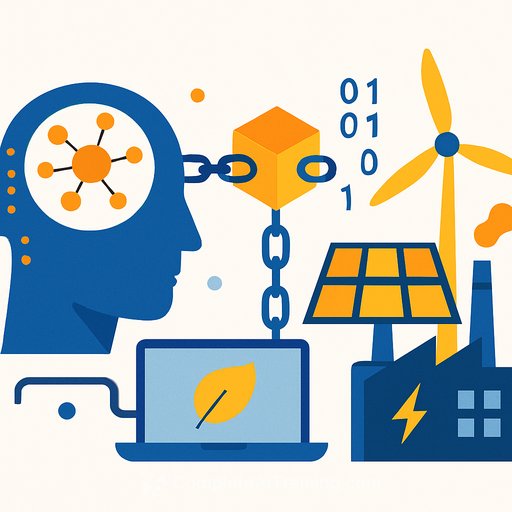
AI-blockchain convergence: Shaking up energy through smart, decentralized systems
Artificial intelligence is making energy systems smarter and more efficient, while blockchain technology introduces fairness and transparency. Together, they are changing how energy is accessed and traded, pushing the global energy sector toward sustainable, decentralized models.
Blockchain enables peer-to-peer energy trading, allowing consumers to buy and sell energy directly without intermediaries. Meanwhile, AI empowers users to better understand and optimize their energy consumption, creating smarter grids and reducing waste.
How AI and blockchain reshape energy trading
Blockchain acts as a transparent ledger that tracks energy production and consumption, supporting secure peer-to-peer transactions. Adding AI into the mix allows for real-time optimization, such as automatic load balancing and demand forecasting.
For example, Powerledger is a company using blockchain to create decentralized energy markets where users can trade electricity directly. AI layers inside these systems analyze consumption patterns and optimize distribution automatically.
Driving efficiency and sustainability
Organizations like ACTAI Global promote innovation by bringing together experts from diverse fields—athletes, conservationists, technologists, artists, and innovators—to address energy challenges. Their focus is on leveraging AI and blockchain to improve transparency, efficiency, and sustainability in energy systems.
Bill Tai, co-founder of ACTAI Global, highlights the convergence of AI, blockchain, and crypto as a powerful combination for transforming energy. “You could have a peer-to-peer billing system that recognizes who’s the source and who’s the drain, selling energy contractually through blockchain as the backbone, crypto as the payment mechanism, and AI managing load balancing,” Tai explains.
Energy demands and digital transformation
Energy consumption in data centers is a growing concern. Estimates show data centers currently consume about 3% of America’s energy, but this could rise to 97% by 2027, requiring massive new power capacity equivalent to dozens of nuclear power plants.
Hut 8 Corp., initially a bitcoin mining company, is shifting toward becoming a vertically integrated energy infrastructure and digital compute platform. This strategic pivot aims to address the increasing energy demands of the digital economy.
Looking ahead
The integration of AI and blockchain in energy systems offers practical benefits: direct energy trading, improved system efficiency, and enhanced sustainability. These technologies support the transition to decentralized energy grids that empower consumers and reduce reliance on centralized utilities.
For those interested in expanding their knowledge on AI and its applications, exploring advanced AI courses can provide valuable skills to engage with these emerging technologies. More details can be found at Complete AI Training.