The Rise of AI-Generated Advertising: How Brands Are Redefining Creativity
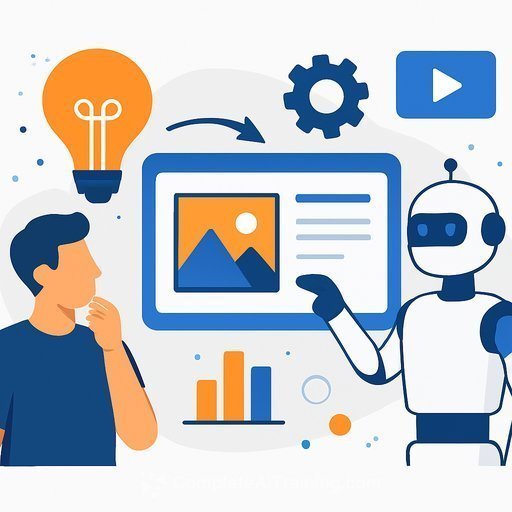
Advertising used to be a straight line: strategy, concept, production, launch. Now it's a loop. AI sits inside that loop, helping creatives ideate, produce, and optimize in real time. The upside is huge. The responsibility is bigger.
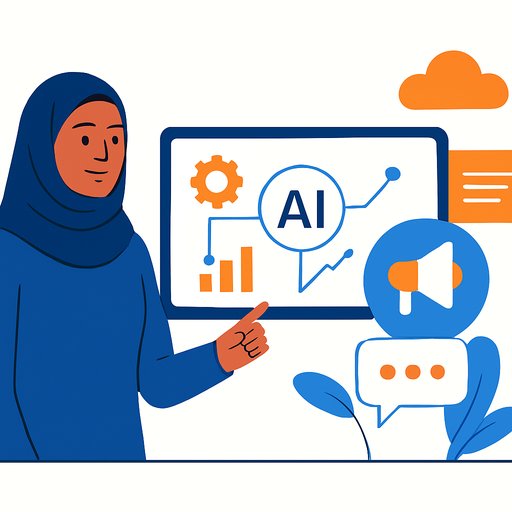
Transparency is non-negotiable. If people know what's AI-made and consent to it, trust grows. Hide it, and you'll pay for it later in brand equity.
From Data-Driven to Machine-Created
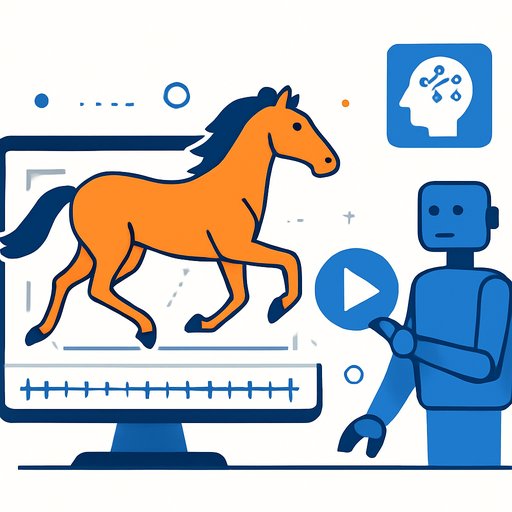
AI started as a targeting and analytics helper. Generative tools changed the pace and the process. ChatGPT, Midjourney, and Runway can spin up headlines, visuals, scripts, and entire ad variations from a prompt. What took days now takes minutes.
This isn't replacing creativity. It's expanding the option set. Humans set the taste, tone, and constraints. AI floods the zone with viable options, and teams choose, refine, and ship.
Major brands are already testing this. Coca-Cola's "Create Real Magic" campaign invited fans to make artwork with OpenAI tools, turning consumers into co-creators. Smaller teams are using Jasper and Canva's Magic Write to compete without big agency overhead.
Hyper-Personalized Creative, At Scale
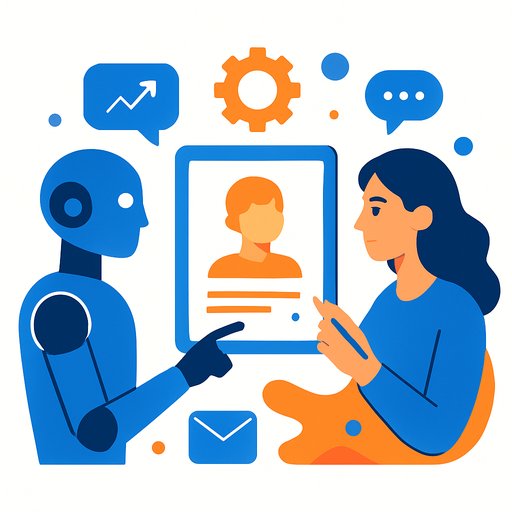
Generative systems can produce ad variants that reflect a person's interests, behavior, and context. Copy, visuals, script structure, even soundtrack mood can flex per viewer. Call it hyper-personalization. Some vendors pitch this as an "on-brand content generator," pairing brand rules with dynamic creative.
- Copy: tone, length, call-to-action per segment or individual
- Visuals: color, style, product framing, background scenes
- Audio: genre, tempo, voice style, language
- Format: short, square, vertical, story vs. feed vs. pre-roll
What Happens If Platforms Start Creating the Content?
There's a bigger shift on the horizon: platforms like YouTube, TikTok, or Instagram could generate shorts themselves and serve them directly. They already own the context, the audience, and the data. If they move, advertisers will follow.
The tradeoff is privacy and trust. Clear labels and explicit opt-ins make this acceptable. Silent personalization erodes confidence and invites backlash.
Production Without the Overhead
Runway, Synthesia, and ElevenLabs are compressing production cycles. Create lifelike presenters, realistic voiceovers, and multi-language versions without reshoots. One master can localize across markets while keeping emotional intent intact.
Co-Creation Is the New Creative Stack
- Prompt frameworks: reusable inputs that match brand voice and campaign goals
- Brand guardrails: lexicons, style guides, visual references built into the system
- Feedback loops: human rating + performance data to refine prompts and models
- Creative QA: bias checks, brand safety scans, legal approvals, provenance tags
- Workflow integration: AI inside briefs, mood boards, storyboards, and post
Advantages You Can Ship This Quarter
- Speed: brainstorm-to-first-draft in hours, not weeks
- Cost: fewer reshoots, smaller crews, more budget for media and testing
- Volume: hundreds of on-brand variations for channels and cohorts
- Learning: real-time creative testing and iteration tied to outcomes
- Access: high-quality tools for small teams and solo creators
- Global reach: instant Translation and dubbing with consistent voice
Risks to Solve Upfront
- Ownership: who controls AI-generated assets and training data
- Privacy: consent, data minimization, and clear value exchange
- Disclosure: visible labels for AI-generated media and voices
- Authenticity: guard against deepfakes and misleading likenesses
- Bias and safety: test for harmful outputs and brand-unsafe associations
- Provenance: watermarking and content credentials to trace origin
For provenance standards, see the work from the C2PA. For disclosure and advertising truth-in-claims, review relevant guidance from the FTC.
A Practical Playbook for Creatives and Marketers
- Define the job: conversion goal, message, audience, channel, and constraints
- Set brand rails: do/don't lists, tone sliders, visual systems, examples
- Build prompt packs: templates for headlines, hooks, story beats, CTAs
- Prototype fast: generate 20-50 options, shortlist with human taste and data
- Label everything: AI-generated tags in files and public-facing assets
- Data policy: consent-based inputs, no sensitive data in prompts
- Test live: small-budget split tests, kill losers quick, scale winners
- Localize smart: translate, dub, and tweak visuals per market nuances
- Legal pass: likeness rights, music rights, disclosure language, storage terms
- Document: keep a creative log with prompts, sources, and approvals
Level Up Your Team
Upskill on prompt technique and AI-first workflows so your output stays sharp and on-brand. If you need a structured path, explore focused training for marketing teams and prompt workflows.
- AI Certification for Marketing Specialists
- Prompt Engineering
Final Thoughts
The next wave of creative work is human judgment plus machine speed. We're moving from one message for millions to millions of messages that still feel human. Brands that lead will treat AI as a creative partner, keep ethics upfront, and label what's synthetic.
Do that, and you get the best of both worlds: the precision of systems with the empathy of real storytellers.
Your membership also unlocks: