
AI news ·
AI and data analytics reshape how fleets plan, operate, and make decisions
Fleet managers are using AI and data analytics to speed up decisions on vehicle replacement, maintenance, and resource allocation. Smaller operations stand to gain the most, since AI can handle analysis that once required a dedicated team.
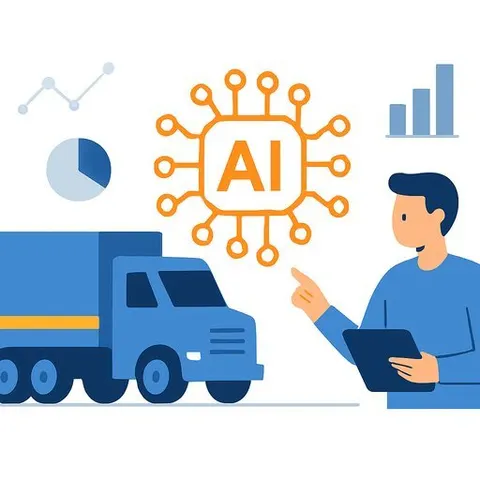
AI and Data Are Reshaping Fleet Management Operations
Fleet managers are moving beyond traditional reporting systems and using AI and data analytics to make faster, better decisions about vehicle replacement, maintenance scheduling, and resource allocation. The shift is already underway at leading operations, though many fleets are still determining where AI fits into their strategy.
The change addresses real operational challenges. Technician shortages, compliance tracking, vehicle utilization, and replacement planning have long required managers to balance experience with incomplete data. AI tools now let fleets combine decades of operational knowledge with real-time analytics.
Why Adoption Is Accelerating
Three factors are driving faster adoption across the industry. First, data analysis tools have become more accessible to smaller operations that previously lacked the resources for advanced analytics. Second, the cost of not optimizing fleet decisions-through inefficient replacement cycles or missed maintenance-has become harder to ignore. Third, AI can surface patterns in operational data that experienced managers might miss.
Smaller fleets may benefit most from AI-driven tools. These operations often lack dedicated analytics staff but manage the same complexity as larger fleets. AI can compress the analysis work that would normally require a full team.
What Managers Should Focus On Now
Replacement planning and lifecycle strategy remain critical. AI improves these decisions but doesn't eliminate the need for sound judgment about vehicle lifecycles, utilization patterns, and capital planning.
Operational intelligence changes how decisions get made. Rather than waiting for monthly reports, managers can access real-time insights into compliance, utilization, and maintenance trends. This shift requires different workflows and different questions.
Experience and intuition still matter. The most advanced fleets aren't replacing manager judgment with AI-they're combining both. A manager's understanding of how vehicles are actually used in the field remains essential context for interpreting data.
Fleet professionals should examine where their current processes create friction or blind spots. Those are the areas where AI for management decisions typically delivers the most value.