AI vs Developers: The Truth About the Future of Software Development
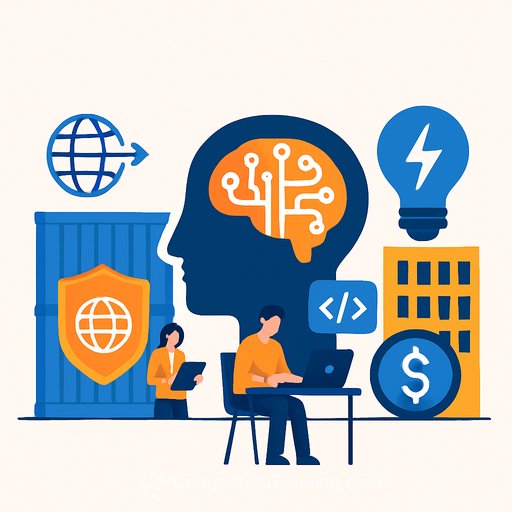
What if the tools created to speed up software development ended up making developers less essential? This question fuels many debates as AI-powered coding assistants like GitHub Copilot and OpenAI’s Codex keep improving. The concern is clear: will AI replace software engineers? But a former Google VP of Engineering suggests this view misses the bigger picture.
AI isn't ending software development—it’s changing it. Instead of replacing developers, AI is redefining their role. This article looks at how AI is shifting software engineering, drawing lessons from past tech shifts and offering practical insights on how developers can adapt and succeed.
AI’s Impact on Software Development
Key Takeaways
- AI coding tools automate repetitive tasks, freeing developers to focus on complex problem-solving and innovation.
- Major tech companies are investing billions in AI coding platforms, signaling a major economic shift.
- Historical examples, like the rise of spreadsheets in accounting, show how AI tools reshape roles without eliminating jobs.
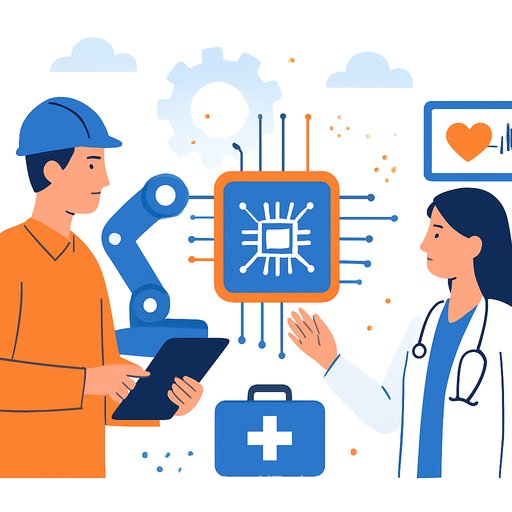
- AI’s influence is growing across industries including healthcare, finance, and manufacturing.
- Software engineers need new skills such as AI model training and ethical AI use to stay relevant.
How AI is Transforming Software Engineering
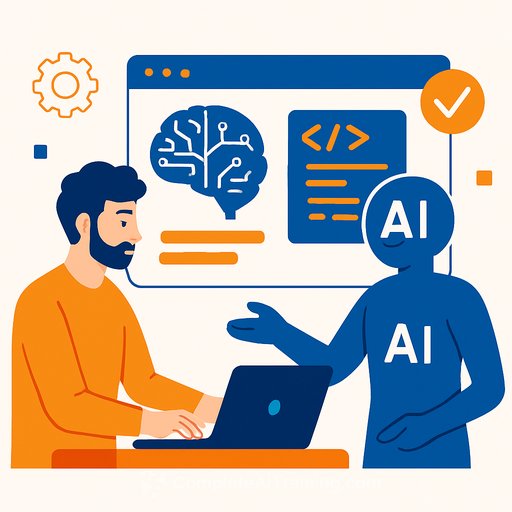
AI coding assistants like GitHub Copilot and OpenAI’s Codex automate routine coding tasks, speeding up workflows and helping developers learn new languages or frameworks. This shift lets engineers spend more time on creative problem-solving and innovation.
The change isn’t without precedent. When spreadsheets first appeared in the 1980s, they didn’t replace accountants—they allowed them to focus on higher-level work like financial analysis. AI tools in software development offer a similar opportunity: empowering developers to tackle tougher problems and deliver greater value.
The Economic Implications of AI Coding Platforms
The market for AI coding tools is booming. Tech giants like Microsoft, Google, and OpenAI are investing billions and acquiring startups to secure an edge. For example, the AI coding platform Cursor recently hit a $3 billion valuation, reflecting strong demand for developer productivity tools.
These investments and acquisitions are reshaping the tech landscape, emphasizing AI’s growing importance in software development and the wider technology ecosystem.
Lessons from History: Spreadsheets and AI
The impact of AI tools on development mirrors how spreadsheets changed accounting. Before tools like Excel, accounting was manual and time-consuming. Spreadsheets made processes more efficient, allowing accountants to focus on strategic tasks.
Similarly, AI-assisted coding tools streamline software development. Developers who adopt these tools early stand to gain a competitive advantage, just like early spreadsheet users did. Over time, these tools will become the norm, shifting developers' roles toward more strategic and creative work.
AI’s Expanding Influence Across Industries
AI’s impact goes beyond software development. It’s transforming industries by improving operations and decision-making:
- Healthcare: AI helps analyze medical data, assist diagnostics, and tailor treatments.
- Finance: AI is used for fraud detection, risk assessment, and algorithmic trading.
- Manufacturing: AI optimizes supply chains, automates production, and enhances quality control.
The race to develop foundational AI systems is intense. Early adopters gain advantages, increasing demand for professionals skilled in AI integration and ethical deployment.
The Evolving Role of Software Engineers
Software engineers aren’t becoming obsolete—they’re evolving. As AI tools become part of everyday workflows, developers need new skills. This includes training AI models, ensuring ethical AI use, and solving system-level challenges.
Working alongside AI will become standard. Engineers who learn to collaborate with AI will lead innovation, tackle ambitious projects, and maintain their edge in a world where AI is deeply integrated into development.
For IT and development professionals looking to build AI skills and stay competitive, exploring courses on AI and coding tools can be a smart step. Resources like Complete AI Training offer practical learning paths tailored to today’s demands.
Your membership also unlocks: