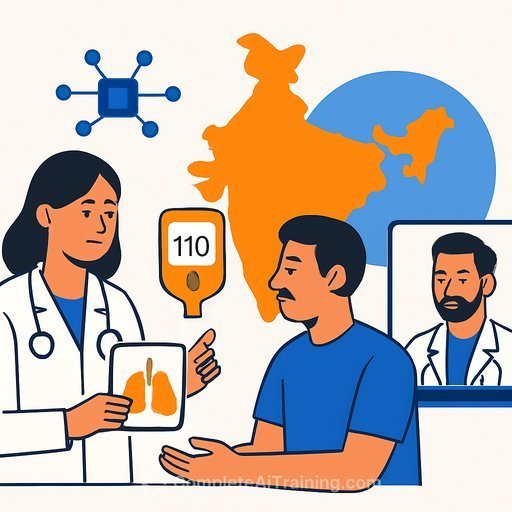
AI and Digital Labs Speed Up Disease Detection Across India
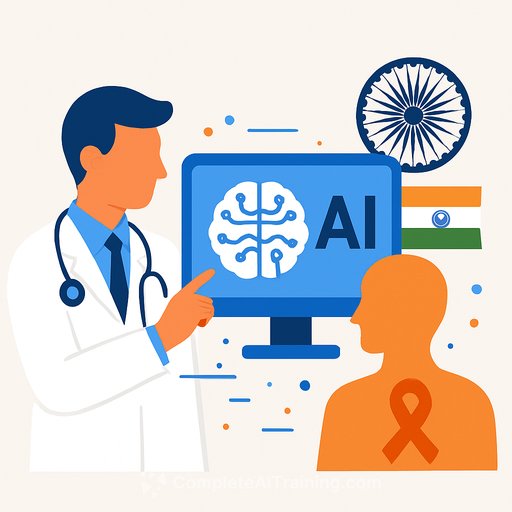
India's healthcare system is turning to artificial intelligence and automated laboratories to catch diseases earlier, addressing a critical gap: the country has a severe shortage of medical specialists and rising rates of chronic illness.
India faces a deficit of nearly 15,000 radiologists, according to Agilus Diagnostics leadership. That shortage creates delays in diagnosing serious conditions. AI systems that interpret X-ray images can reduce these bottlenecks by supporting clinicians with rapid analysis.
Chronic diseases-particularly cardiovascular illnesses-account for nearly 28% of all deaths in India. Many cases deteriorate because diagnosis comes too late. Early screening and technology-driven interventions can improve outcomes significantly.
Geography and Access
About 65-70% of India's population lives in rural areas where specialist care and advanced diagnostic equipment remain scarce. Digital platforms and telemedicine networks are beginning to close this gap.
AI also enables predictive healthcare. By analyzing medical records and imaging data, systems can identify high-risk individuals before symptoms appear-shifting focus from treating disease to preventing it.
Laboratories Speed Up Results
Digital laboratories are automating workflows that once relied on manual steps. Sample processing, testing, validation, and report generation previously took days. Automated systems now deliver results within hours in many cases.
This speed matters most in urgent situations. Cardiac markers, infection panels, and critical blood investigations require fast turnaround times to guide treatment decisions.
High-volume testing can now proceed with greater efficiency while maintaining quality standards. Integrated laboratory information systems and intelligent data analysis tools handle the scale.
AI Supports Rather Than Replaces Clinicians
Experts emphasize that AI is a tool for clinicians, not a replacement for them. AI systems can analyze large datasets and biomarker patterns at a scale humans cannot match, identifying subtle variations that may signal early disease-particularly in oncology screening, metabolic disorders, and cardiac risk assessment.
The technology works best as a decision-support system. It strengthens clinical judgment while improving consistency and reducing human error.
Learn more about AI for Healthcare and how AI Data Analysis supports medical decision-making.
Your membership also unlocks: