Cultural Industry + AI: What Creatives Need to Know Now
Digital transformation and artificial intelligence are remaking the cultural industry. Tools like generative AI, visual AI, and virtual platforms are changing how we create, produce, distribute, consume, and preserve culture-fast.
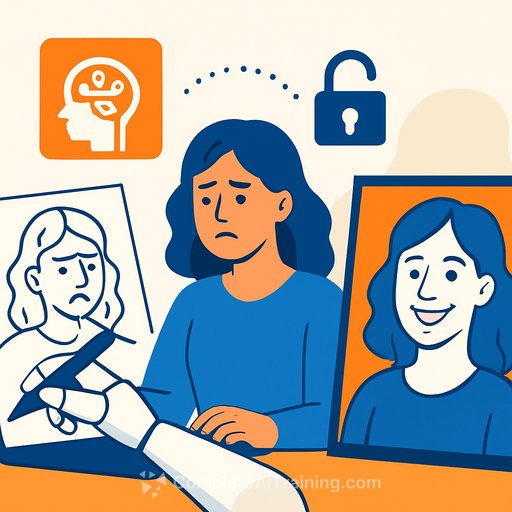
There's upside: more creativity, lower costs, global access, better heritage preservation. There's also risk: copyright conflicts, ethics, identity dilution, and unequal access to technology.
Keywords: cultural industry, artificial intelligence, digital transformation, content creation, heritage preservation.
What's Changing Across the Value Chain
Creation
AI has moved from helper to co-creator. GPT-4 and Claude draft copy and scripts; Midjourney and DALL.E 3 generate art; Suno.ai composes tracks; Sora and Runway simulate scenes. This speeds ideation and iteration but blurs authorship: who owns the work-the prompt writer, the model maker, or the rights holders whose data trained it?
Production
Tools like Runway and Pika speed video editing and VFX. ElevenLabs and Papercup localize and clone voices, while Adobe Firefly and Canva AI streamline design. Costs drop, throughput rises, and formats multiply. The trade-off: sameness creeps in when everyone uses the same models and templates.
Distribution
Algorithms are the gatekeepers. On YouTube, TikTok, Spotify, and Netflix, recommendation systems decide what gets surfaced for most audiences. That boosts reach for the few who fit the pattern-and sidelines niche, local, or minority-language work that doesn't match trained profiles.
Consumption
Experiences are increasingly personalized and on-demand. AI curates what we watch, read, and listen to. Virtual guides now narrate museum tours with human-like presence. It's convenient, but collective cultural moments (cinema, galleries, festivals) lose ground to individualized feeds.
Preservation
AI supports 3D restoration, voice recreation, and endangered language archiving. After the Notre-Dame fire, high-fidelity scans aided reconstruction. Minority languages get new tools for documentation and translation. The open question: how to preserve authenticity and context, not just form.
Policy Moves That Affect Your Work
Regulators are catching up, and the rules will affect your rights and workflows. UNESCO warns of platform concentration and calls for inclusive digital policies and algorithm transparency. WIPO is debating authorship, training data rights, and moral rights in AI outputs. The EU AI Act requires labeling AI-generated content and disclosure of training data for high-risk systems.
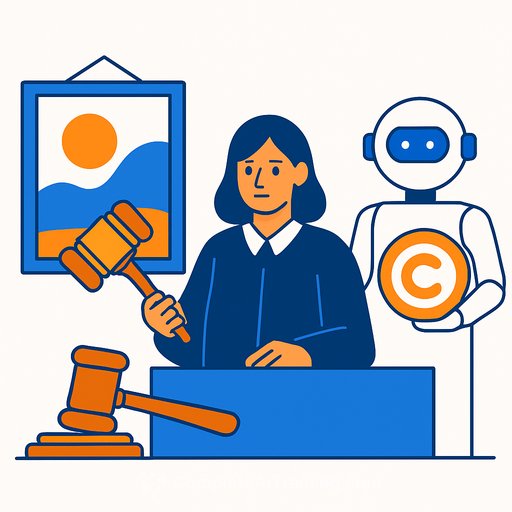
The US Copyright Office does not recognize AI as an author and limits protection for works created without meaningful human input. China requires labels for synthetic media and restricts misleading content. Expect stricter provenance, clearer consent, and more platform accountability ahead.
Key Risks Creatives Should Design Around
- Authorship and copyright: If a model trained on copyrighted work generates your output, who owns it? Without clear provenance, licensing and resale get messy.
- Job displacement: Routine writing, editing, voice work, and background music are the first to feel pressure. Creative direction and taste still matter, but teams will get leaner.
- Misinformation and deepfakes: Synthetic media can distort history, politics, and culture. Trust resets around verified content and transparent workflows.
- Algorithmic bias: Western and English-dominant training data can erase nuance in minority cultures and languages. Local aesthetics and rituals risk being flattened.
- Data rights: Unconsented training on artists' work is a legal and ethical flashpoint. Expect more lawsuits, opt-outs, and licensing marketplaces.
A Practical Playbook for Creatives
- Provenance first: Use content credentials (C2PA-style metadata/watermarks) on your images, audio, and video. Label AI assistance in client deliverables.
- Contracts that name AI: Specify allowed tools, data sources, and rights. Include clauses for voice likeness, style, and derivative use.
- Human advantage: Lean into taste, concept, curation, and brand voice. Build processes where AI drafts and you refine the meaning and emotion.
- Prompt systems: Keep reusable prompt libraries and style guides. Document seeds, settings, and model versions for repeatable results.
- Protect your data: Add "do-not-train" metadata where supported, and consider platforms that honor opt-outs.
- Diversify distribution: Don't bet it all on one algorithm. Own your newsletter, website, and community while you test platforms for reach.
- Measure and adapt: Track recommendation exposure, watch-time, saves, and shares. Iterate format and pacing based on actual audience behavior.
- Upskill with intent: Pick one model for text, one for visuals, one for audio. Go deep. If you want structured paths by role, see AI courses by job.
Ethics, Heritage, and Identity
If you work with cultural heritage, get community consent and context, not just datasets. Document meanings, rituals, and protocols alongside media files. AI can restore a sound or a facade, but communities carry the story and should guide usage and access.
Use small language models and localized datasets to respect nuance. Label reconstructions clearly, and avoid mixing archival truth with speculative fills without disclosure.
Vietnam (and Similar Markets): Where to Focus
Vietnam has strong cultural identity and active digital adoption-a potent mix. AI tour guides at places like the Vietnam Women's Museum show how tech can widen access while preserving narrative control.
- Digitize at scale: Fund 3D scans, audio archives, and minority language corpora with open standards for reuse.
- Local models: Build and fine-tune Vietnamese and ethnic language models to prevent cultural drift.
- Creator support: Grants, tax incentives, and training for small studios and independent artists using AI responsibly.
- Clear rules: Update copyright, likeness, and training data laws; require labeling for synthetic media; enforce platform transparency.
- Education: Roll out digital and creative AI curricula across art schools and community centers.
Final Thought
AI can accelerate your craft or erase your edge. The difference is whether you keep authorship, ethics, and community at the center-and build systems that make your taste irreplaceable.
Use AI as a new brush, not the painter. The identity of your work still comes from you.
Your membership also unlocks: