How AI Is Helping (and Hurting) Christian Creatives
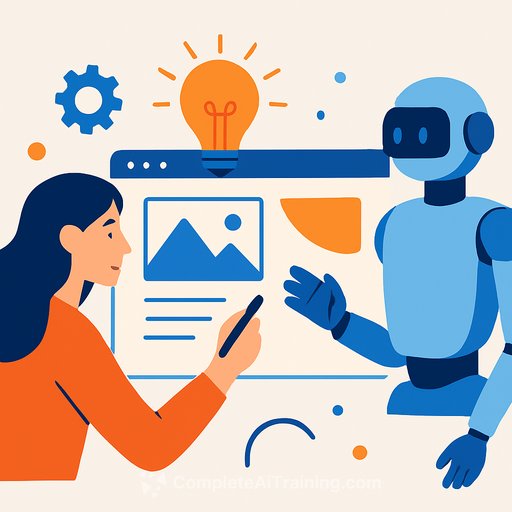
Artificial intelligence is everywhere in 2025—writing sermons, creating album art, remixing worship music, and managing church social media. For Christian creatives, AI offers both incredible opportunities and serious challenges. It boosts productivity but also raises key questions about inspiration, creativity, and authenticity. Can a machine truly reflect the image of God? Is AI a useful tool or a risk to the soul of Christian art?
The Good: AI as a Creative Sidekick
On the positive side, AI acts like a tireless assistant for faith-based artists, musicians, and pastors. It can produce vibrant visuals quickly—like a Pixar-style poster for Vacation Bible School created by Microsoft Copilot. This kind of tool saves time and creates excitement, helping churches engage their communities more effectively.
Pastor Brandon Holm uses AI tools like NightCafe for artwork and ElevenLabs for podcast narration. These tools help refine ideas and maintain the right tone, allowing more time for ministry rather than administrative tasks. AI also streamlines social media and fundraising efforts by generating compelling content that attracts newcomers.
The Bad: The Risk of Losing Our (Creative) Souls
Despite these benefits, many worry about what’s lost when creativity is outsourced to algorithms. True inspiration and insight come from human experience and faith, something AI can’t fully grasp. Jeff Dionise, a Pulitzer-winning illustrator, emphasizes that the core idea is where real value lies—something AI struggles to replicate.
Designer Hannah Tu highlights the importance of collaboration and interpretation in creative work, which AI cannot replace. Authenticity matters deeply in Christian art. As Dionise points out, art communicates beliefs and values, so it’s crucial not to let AI produce work that doesn’t align with the creator’s convictions.
The Ugly: Copyright, Bias, and the Limits of AI
AI-generated art has sparked controversy over copyright infringement and artist livelihoods. Some artists have taken legal action against AI companies for using their work without permission. There’s also the issue of bias and accuracy since AI reflects the data it’s trained on, which can be flawed or incomplete.
Bishop Charley Hames Jr. warns that AI lacks empathy and spiritual discernment. It processes language but doesn’t engage with the soul. While AI offers potential, it requires careful use to ensure it supports the church’s mission without compromising doctrinal truth.
The Real: What Makes Christian Creativity Unique
Christian creativity is more than just skill or technique—it’s about seeing the world through the lens of faith and reflecting God’s image. Hannah Tu notes that creative gifts come from many places, not just traditional artists, and these diverse talents enrich art and inspire fresh perspectives.
Jeff Dionise adds that creating something from nothing echoes the divine act of creation itself. Christian creatives perceive the world differently, shaped by their faith in ways AI cannot replicate.
The Future: AI as a Tool, Not a Master
The consensus among Christian creatives is clear: AI is here to stay, but it should serve as a tool, not a replacement for human creativity or the Holy Spirit.
Pastor Holm sums it up well: “AI is a tool. It’s up to us to use it wisely.” The challenge is to leverage AI’s capabilities without losing the unique qualities that make Christian creativity meaningful—reflecting God’s image, fostering community, and communicating truth in ways no machine can match.
For creatives wanting to explore AI responsibly and effectively, resources like Complete AI Training offer courses that can help deepen your understanding and skills in this evolving landscape.
Your membership also unlocks: