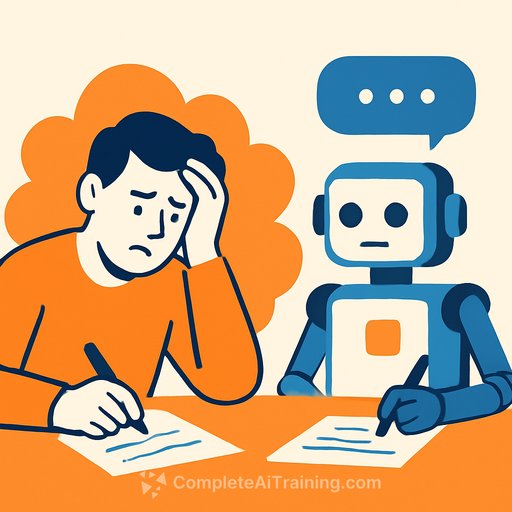
AI and the writer's burden: a response to coauthoring with machines
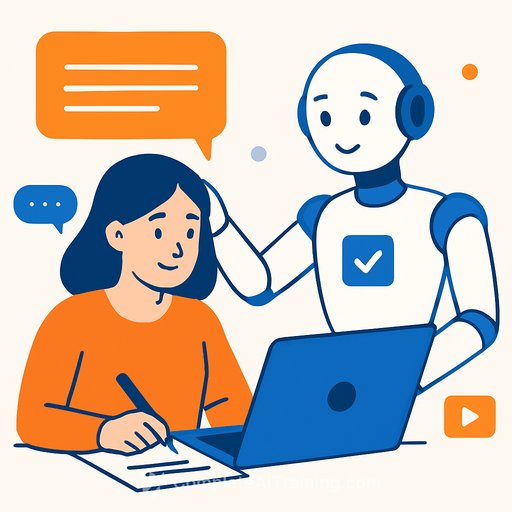
Sonia Pilcer recently shared how an AI partner helped her beat a decade-long block. She dictates raw notes, throws in fragments, and the system turns that mess into a coherent scene in seconds. Then they volley revisions back and forth.
I get why that feels productive. But that workflow crosses a line most writers can't afford to blur: authorship.
Call it what it is: coauthoring
If a system turns your free association into structure, pacing, and narrative rhythm, it's not just a tool. It's a coauthor. You can revise the output all you want, but the heavy lift-shaping chaos into story-didn't come from you alone.
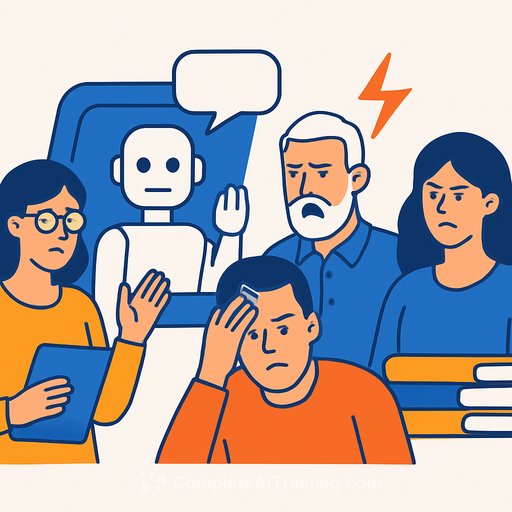
That matters. Readers, editors, and clients assume the name on the byline represents the mind that did the real creative work. When AI drives scenes, beats, or voice, attribution becomes murky fast.
The deeper cost: your voice
There's a craft tax to offloading structure and first drafts. Your voice is forged by wrestling with bad sentences until they become good ones. Skip that struggle and your style becomes generic, even if the prose looks clean.
Dependency is subtle. Today it's a scene that "just needs shaping." Tomorrow it's a character arc, a story beat, then the whole outline. Before long you're an editor of machine prose, not the author its readers think you are.
What "acceptable help" looks like
Writers have always used tools and feedback. The difference is in scope and authorship. If you want to protect your voice and integrity, set hard boundaries.
- Use for: factual research, idea prompts, sensitivity checks, grammar, copy edits, formatting, summaries of your own drafts.
- Draw the line at: first drafts, scene construction, outlines that dictate structure, voice imitation, "make this coherent" requests.
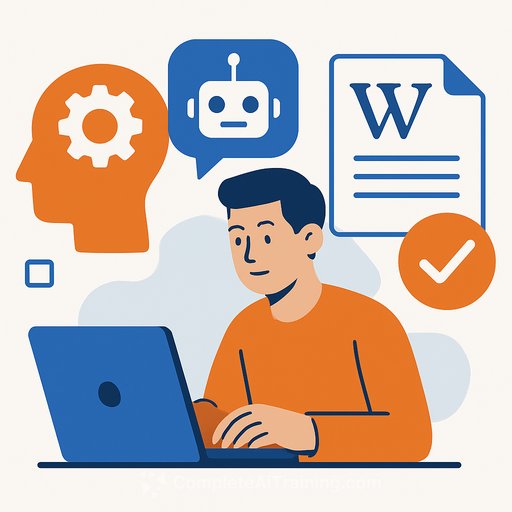
Several publishing and creative bodies are aligned on this. See the Nature editorial on AI authorship-tools can't be authors and should be disclosed when used (Nature editorial). Also review the Authors Guild's guidance on AI and author rights (Authors Guild).
A practical framework to keep your work yours
- Provenance rule: if a passage exists because a machine drafted or structured it, label it and replace it with your own writing before publication.
- Red/green list: keep a visible list of "allowed uses" (research, copy edits) and "off-limits" (drafting, outlines, scene shaping). Stick to it.
- Version control: write your zero draft solo. If you consult tools later, keep a clean version to prove origin and protect your voice.
- Attribution habit: when in doubt, disclose. Clients and editors care more about honesty than perfection.
- Voice practice: daily 30-60 minutes of longhand or distraction-free typing. No prompts. No suggestions. Build the muscle that makes your work distinct.
Breaking writer's block without outsourcing authorship
- Constraint sprints: 25 minutes, 250 words, no backspace. Repeat three times. Edit tomorrow.
- Reverse outline: summarize each paragraph of your draft in one sentence. Rewrite from that skeleton.
- Speak it out: record yourself explaining the scene to a friend. Transcribe. Rewrite in your voice.
- Copywork warm-up: retype a favorite paragraph from a master, then continue in your own words for 10 minutes.
- Physical reset: 15-minute walk, then write the hardest paragraph first.
The writer's burden-chosen on purpose
Writing is a solitary fight by design. Research help, critique, and copy edits are fair game, but the ideas, structure, and sentences should come from you. That's the bond with your reader and the core of your identity as a writer.
Yes, AI can help you finish a piece faster. But if it does the creative lifting, the work isn't fully yours. Better to miss a beat and keep your voice intact than to publish something polished that you didn't truly author.
If you use AI at all, use it like sandpaper, not a ghostwriter. Your name is worth more than the convenience.
Join the conversation
Writers are experimenting, debating, and setting new norms right now. Share your boundaries, what's worked, and where you've drawn the line. This is how we keep the craft honest-and keep our voices unmistakably our own.
Your membership also unlocks: