Shreveport artists push back on AI images; SRAC schedules public forum
Shreveport's creative community is calling out the Shreveport Regional Arts Council (SRAC) for using AI-generated visuals in recent social posts. The response was loud enough that SRAC has set a public forum to address it on Jan. 8, 2026, from 6-8 p.m.
The core complaint: if a council exists to support local artists, commissioning work from humans should be the default. Several local artists say AI was used where paid creative work could have gone to photographers, illustrators, or designers in the community.
Why artists are upset
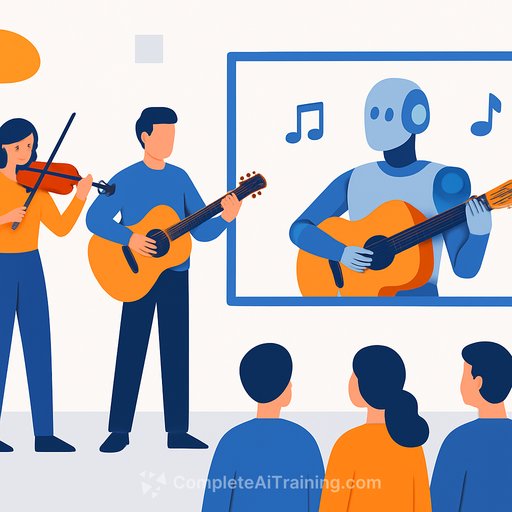
Artist Whitney Tate summed up the sentiment: using generated images is a miss when you could hire a local creative-whether a photographer or illustrator-instead of leaning on tools like Sora. The issue isn't technology itself; it's where the money, credit, and opportunity go.
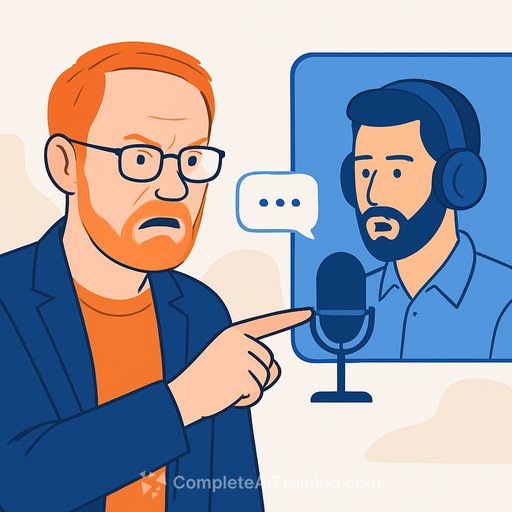
Chang Liu said artists turned to the council for guidance and accountability, but felt ignored. Some say their comments were removed or they were blocked after raising concerns, which only deepened the distrust.
Future creatives are watching
Liu also shared that young artists are paying attention. A 15-year-old confided fears about whether their work will matter if institutions prefer AI. That type of uncertainty spreads fast without clear standards and mentorship.
SRAC's response and next steps
SRAC was unavailable for comment on Friday, Dec. 12, but previously stated, "We agree that a deeper conversation about the use of AI needs to happen." The forum is set for Jan. 8, 2026, 6-8 p.m., and will be open to artists for discussion.
What creatives want from their arts council
- Hire-first policy for humans: Commission local artists before using AI visuals.
- Clear AI disclosure: Label AI-generated content on official channels.
- Public guidelines: Publish how, when, and why AI may be used-and when it won't.
- Fair budgets: If AI is involved, ensure funds still flow to local creatives (art direction, editing, licensing, education).
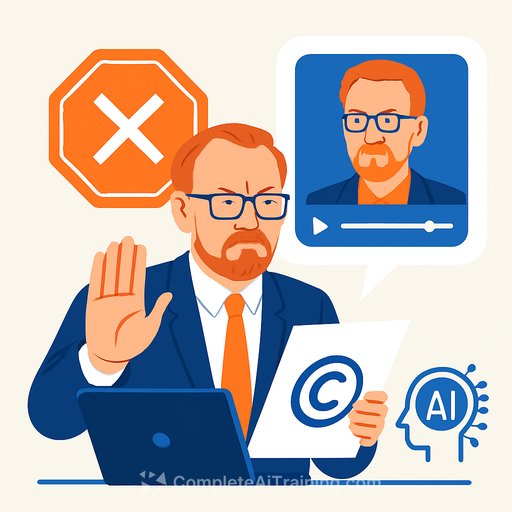
- Respect for rights: Don't train tools on unlicensed artist work and avoid datasets with unclear provenance.
- Open feedback: Don't remove critical comments; host structured Q&A and keep records public.
- Youth pathways: Workshops, mentorship, and paid opportunities for teen artists.
Bring this to the Jan. 8 forum
Show up with specifics. Vague complaints get nodded at; clear proposals get adopted.
- Ask for a written AI policy with examples and case studies.
- Request "human-first commissioning" for all public-facing campaigns.
- Propose labeling standards: "Image created with [Tool], art-directed by [Human]."
- Push for a public vendor list and datasets disclosure for any AI imagery used.
- Set a creative review panel of working artists for any AI-related projects.
- Establish a reporting process when posts are removed or accounts are blocked.
- Secure a youth program funded by the council that pays students for real work.
Practical guardrails for AI-involved projects
- Disclosure: Label AI visuals. Credit human roles (direction, editing, compositing).
- Consent and licensing: Use tools and datasets with clear, lawful licenses.
- Budget allocation: A set percentage goes to local creatives on AI-assisted projects.
- RFP clarity: Include whether AI is allowed, how it will be used, and how artists are compensated.
- Attribution: Credit living artists whose style influenced the outcome only with permission.
The bigger picture
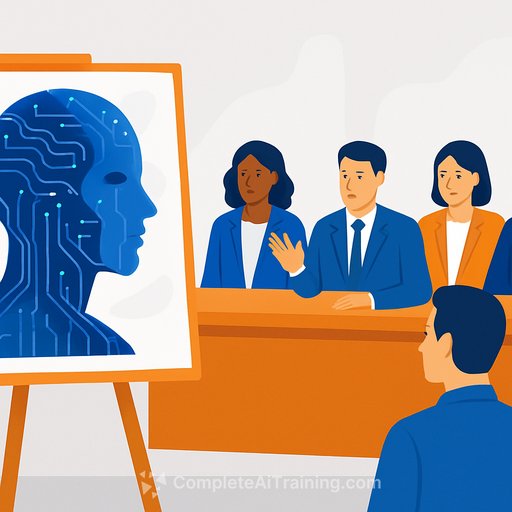
There's national movement, too. On Dec. 11, President Trump signed an executive order that reportedly blocks states from making their own AI regulations, arguing state rules could hold the industry back. If that holds, local policy from councils, schools, and cities will matter more because that's where practical standards will live.
Resources worth bookmarking
Bottom line for creatives
AI isn't the enemy. Silence and sloppy policy are. If an arts council represents artists, its choices should reflect that-through hiring, budgets, and transparency.
If you're in Shreveport, bring your standards to the Jan. 8 forum. If you're elsewhere, send this framework to your council and ask them to publish their policy within 30 days. That's how you protect opportunities today and the 15-year-olds watching you for cues.
Your membership also unlocks: