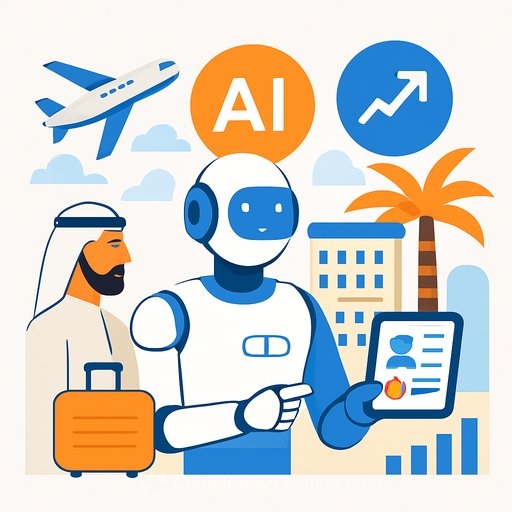
AI at the heart of tourism and hospitality: personalisation, efficiency, and growth
AI has moved from trial to table stakes for hotels, attractions, and destinations. Across the Middle East, it's helping teams run leaner operations, craft smarter guest journeys, and hit national targets tied to tourism growth and sustainability.
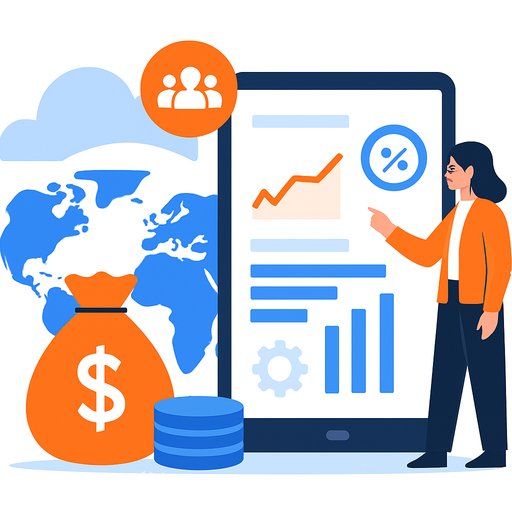
A recent regional survey of industry leaders shows strong momentum: 91% are piloting or using AI, yet only 3% have scaled across the enterprise. Even so, the payoff is clear-85% report measurable improvements in cost and performance, and 74% now have dedicated AI budgets.
This isn't about replacing people. It's about giving your teams sharper tools so the human moments land better and more often.
Why this matters now
- National agendas are pushing hard on tourism and digital performance. See Saudi Vision 2030 and the UAE's National Tourism Strategy 2031.
- Guest expectations are higher. They want seamless, personal, and fast-without friction across channels.
- Margins are tight. Automation and smarter decisions free up cash and staff time.
Where AI delivers value right now
Guest experience: hyper-personal and seamless
- Personalised offers: Use first-party data to tailor rates, perks, and experiences in real time (think: family vs. business, spa vs. adventure).
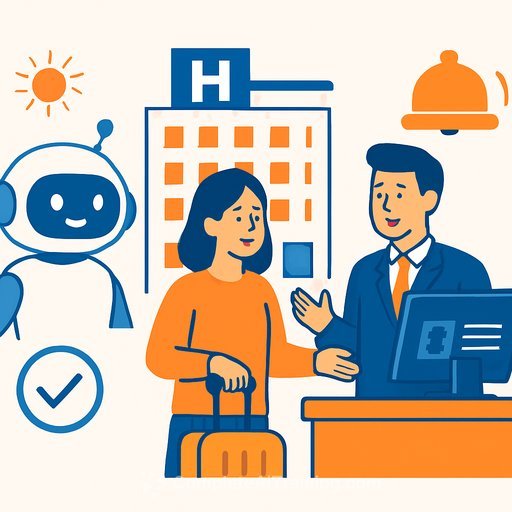
- Service without wait times: Messaging bots that handle FAQs, upgrades, late checkout, and on-property requests-handing off to staff when needed.
- Smarter rooms: Predictive preferences for temperature, lighting, and content; automated upsells tied to stay context.
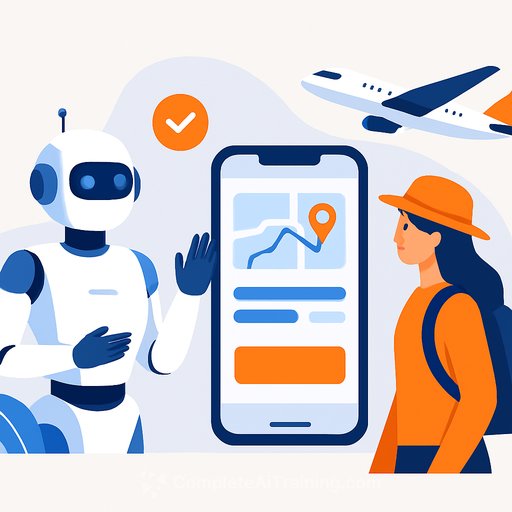
- Trip design: Itineraries that adapt to weather, traffic, and crowd levels so guests avoid bottlenecks.
Human resources: empower and upskill your workforce
- Scheduling that works: Forecast demand and auto-build rosters to balance cost, service levels, and staff preferences.
- Faster onboarding: Micro-learning and AI tutors that coach front-of-house teams on brand tone, upsells, and complaint handling.
- Retention signals: Early alerts on burnout or attrition risk so managers can act before issues grow.
Operations and data: from fragmented systems to connected intelligence
- Unified view: Connect PMS, POS, RMS, CRM, and ticketing to reduce duplications and speed up decisions.
- Predictive maintenance: Spot equipment issues before failures; schedule service during low-impact windows.
- Energy and sustainability: Optimise HVAC and lighting based on occupancy and weather to cut utility costs and meet ESG goals.
- Revenue and inventory: Dynamic rules that adjust rates and allocations across room types, F&B, and experiences.
Channel management: distribution and reputation in an AI-driven market
- Smarter mix: Balance direct bookings with OTA reach; run campaigns that nudge repeat guests to book direct.
- Content at scale: Generate and QA listings, images, and descriptions without losing brand voice.
- Review intelligence: Summarise feedback trends by segment and property; prioritise fixes that move NPS and RevPAR.
What's holding teams back
- Legacy systems: Integrations are patchy; data sits in silos.
- Data quality and consent: Inconsistent standards make personalisation risky or ineffective.
- Talent gaps: Not enough product owners, data engineers, or analysts embedded in ops.
- Governance: Clear rules on accuracy, bias, and guest privacy are still forming.
A practical 90-day action plan
- Pick two high-impact use cases with clean ROI math-e.g., automated guest messaging and energy optimisation.
- Sort your data inputs: Identify the systems, fields, and consent flags you'll need. Document it once; reuse it later.
- Pilot fast with guardrails: Limited properties, clear success metrics, human review on outputs, and opt-outs for guests.
- Train the team: Short, role-based sessions for frontline, managers, and admins-how it works, where it helps, where it doesn't.
- Measure and scale: Track conversion, service time saved, guest satisfaction, and energy cost. If it clears the bar, roll out.
Responsible use comes first
- Be transparent with guests about data use; give simple controls.
- Keep a human in the loop for high-stakes decisions or sensitive situations.
- Audit models regularly for accuracy and bias; refresh prompts and rules as policies evolve.
The bottom line
AI won't replace hospitality. It gives your people the time and context to deliver the moments guests remember. The leaders will be those who apply it responsibly to make every interaction seamless, fair, and genuinely useful.
Upskill your team
If you're building capability in-house, explore role-based training and certifications for managers, analysts, and frontline teams.
Your membership also unlocks: