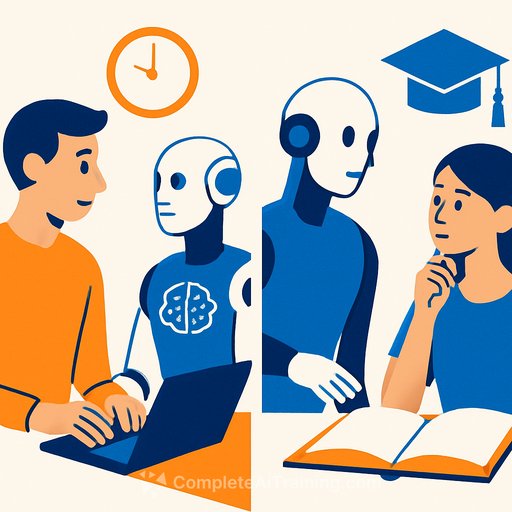
Rewiring Work and Learning – What AI Gets Right (and Wrong)
AI is everywhere in education and work right now. It promises to simplify tasks, fill skill gaps, and boost productivity. But is it truly changing how we learn and work, or just speeding up old habits?
Where AI Delivers and Where It Falls Short
AI’s potential is clear. It can personalize learning, handle repetitive tasks, and help leaders process large amounts of information. For example, language learners benefit from AI-powered speech recognition and conversational bots that reduce anxiety and make practice flexible.
However, these tools have limits. They work well in specific tasks but can’t replace skilled educators who sense when a student struggles or needs encouragement. AI tracks progress but doesn’t understand motivation or emotions.
In the workplace, AI often automates inefficient processes. This may increase output but not quality. More reports or content don’t always mean better results, especially if everything needs constant review and management.
AI That Works: Practical, Purposeful, and Human-Centered
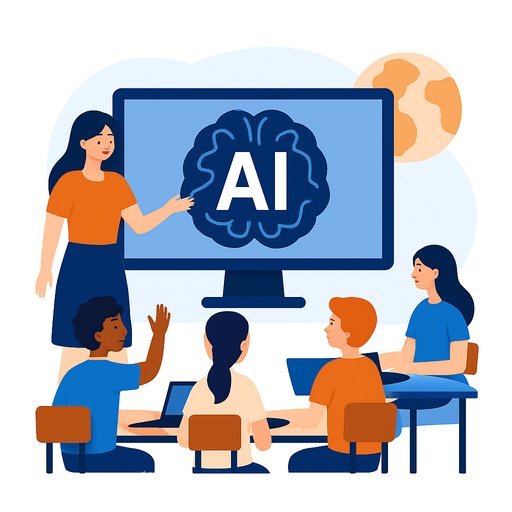
AI shines when it complements human skills instead of replacing them. In education, it supports teachers by spotting student engagement patterns and knowledge gaps early. This helps teachers focus their efforts where it counts most.
For workforce development, AI can customize training paths based on roles and learning styles. It also creates safe spaces for practice through simulations or chat tools, helping people learn without fear of failure.
In daily work, AI takes over repetitive tasks, freeing professionals to apply judgment, oversee quality, and focus on what truly adds value.
Using AI to Think Smarter, Not to Surrender Thinking
The risk is overusing AI where human skills matter most. Critical thinking, creativity, and collaboration can decline if we rely too much on AI. For leaders, this is especially risky. Good leadership means reading between the lines and making decisions with empathy and context—not just picking the top AI suggestion.
Similarly, AI can guide students through material but can’t inspire or challenge them deeply. That requires teachers or mentors who know how to unlock true potential.
The Illusion of AI Progress
One big problem today is the illusion of progress. AI tools are often adopted quickly without clear goals. Leaders invest expecting transformation but get dashboards full of data with no clear insights.
AI is not a fix-all. It’s not unbiased or flawless. Poorly planned AI can reinforce biases, especially in sensitive areas like hiring or performance reviews. The smart approach is to define what success looks like before implementing AI. Without human context, even the best algorithm is just noise.
The Future of AI Depends on Human Direction
AI’s future isn’t about replacing people—it’s about enhancing what humans do best. Used wisely, AI helps teams work faster, keeps learners engaged, and provides leaders with better information.
To get there, we need to ask tough questions and ensure AI serves real goals, not technology for technology’s sake. AI isn’t the enemy of progress—thoughtless automation is. Staying curious and critical, while keeping people central, makes AI a tool for a smarter, more human future.
For educators interested in exploring how AI can genuinely support learning and development, consider checking out comprehensive resources and courses at Complete AI Training.
Your membership also unlocks: