AI Avatars for Rural Health Care? Promise, pitfalls, and what clinicians should do next
Dr. Mehmet Oz, who leads the Centers for Medicare and Medicaid Services, is pitching AI avatars and robotics as a way to widen access in rural America. He's argued that virtual agents could extend clinician reach fivefold, paired with remote diagnostics and even drones for medication delivery. The proposal sits inside a $50 billion rural modernization push from the current administration.
It's bold. It's also triggering hard questions from clinicians, researchers, and rural leaders about safety, equity, infrastructure, and what gets lost when care becomes less human. CMS later clarified it supports AI tools only when they are evidence-based, patient-centered, and used with clinical oversight.
The context clinicians can't ignore
Rural hospitals are under heavy strain after last year's One Big Beautiful Bill Act, which cut federal Medicaid spending by about $1 trillion over 10 years. More than 190 rural hospitals have closed since 2005, according to KFF, with many communities losing their only site of emergency and basic care.
Rural residents face higher rates of early death from heart disease, cancer, chronic lower respiratory disease, stroke, and unintentional injury. The CDC points to preventable drivers: fewer providers, longer travel, fewer EMS assets, more poverty, and lower insurance coverage.
What's being proposed
The plan includes digital avatars to run basic interviews, robotics for remote diagnostics, and drones to reach pharmacy deserts. Oz even floated using robots to perform ultrasounds on pregnant patients, suggesting clinicians could rely on automated "digitized insights" rather than direct image review.
That last point raised alarms across obstetrics and imaging. Even if automation assists acquisition, image interpretation, safety checks, regulatory compliance, and liability still sit with qualified clinicians.
Concerns from rural health experts
"Health care has always been about humanity and relationship," said Carrie Henning-Smith of the University of Minnesota. "If your first and only provider is an avatar, we're removing trust, comfort, and continuity."
She also flagged rural realities that tech often overlooks: inconsistent broadband, lower health literacy, and fragile transportation. If the digital backbone isn't reliable, new tools can widen the gap rather than close it. There's an economic angle too-replacing local jobs with software moves payroll out of town.
Where AI could help without replacing clinicians
Some health tech leaders argue the near-term upside is taking paperwork off clinicians' plates. Matt Faustman of Honey Health estimates 30%-40% of provider time gets swallowed by admin tasks-prior auths, fax inboxes, record retrieval. Automating that work could free capacity in clinics that can't hire more staff.
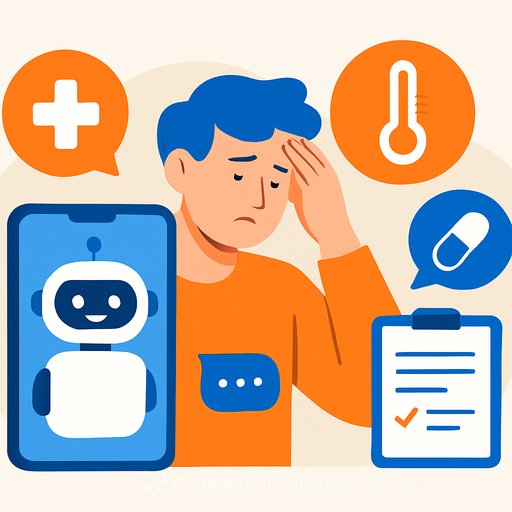
On the patient side, lightweight triage can route people to the right level of care faster-if it's tightly integrated with your clinicians and escalates safely. The goal: more face time for complex care, not fewer humans in the loop.
Guardrails if you're considering AI in your system
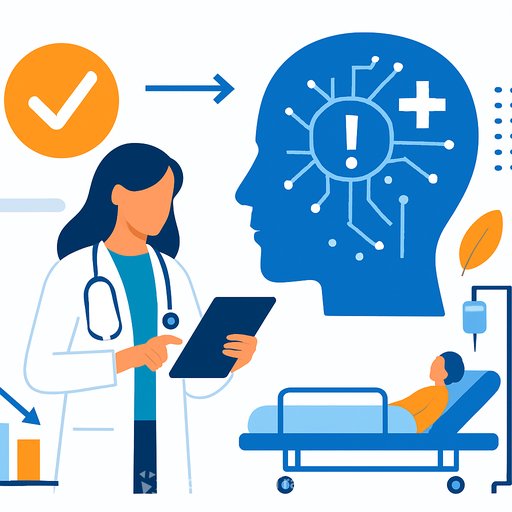
- Clinical oversight: Keep licensed clinicians responsible for decisions. Use avatars only for history capture, screening, and documentation support.
- Evidence first: Pilot tools with IRB-style rigor where possible-consult Research on evaluation methods and validate accuracy on your patient mix, not just vendor datasets.
- Equity checks: Test broadband assumptions, digital literacy, and language access up front. Offer low-tech options in parallel.
- Data governance: Lock down PHI flows, vendor access, audit logs, and model updates. Get BAAs and clear incident response paths.
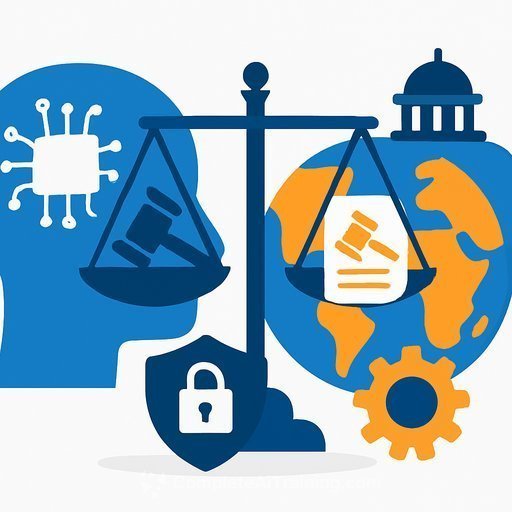
- Regulatory fit: Map each use case to existing FDA, CMS, and state rules. Be explicit about liability and supervision requirements.
- Human factors: Measure patient trust and clinician cognitive load, not just throughput. Keep warm handoffs easy and fast.
- Local economics: Pair automation with investments in community health workers, paramedicine, and local jobs.
A 90-day practical plan for rural leaders
- Run a time study: Quantify top admin drains (prior auths, referrals, inboxes). Pick two workflows to automate first.
- Pilot with purpose: 1-2 clinics, clear inclusion criteria, escalation rules, and weekly safety reviews. Target "assist," not "replace."
- Strengthen access: Expand telehealth blocks; co-locate a community health worker for each virtual session day.
- Infrastructure check: Test bandwidth at patient hubs (libraries, clinics, EMS bases). Add signal boosters or offline intake modes.
- Train your team: Brief clinicians on model limits, bias, and override practices. Align on documentation and consent language.
- Set success metrics: See below. Report weekly during the pilot and decide to scale, fix, or stop.
Metrics that matter (track before/after)
- Time to next available appointment
- Clinician after-hours documentation time
- No-show rate and completed referrals
- Avoidable ED visits and readmissions
- Prior authorization turnaround time
- Prenatal ultrasound completion and follow-up rates
- Broadband uptime at care sites and patient hubs
- Patient complaints and escalation frequency from AI intake
Communications and consent
- Tell patients-plainly-what the AI does, what it doesn't, and how a human clinician oversees it.
- Offer a no-AI path at registration. Make opting out easy and stigma-free.
- Engage trusted local voices (EMS chiefs, pastors, school nurses) before rollout. Feedback here will save you later.
The bottom line for clinicians
AI can widen access only if it reduces admin drag and speeds triage while keeping relationships at the center. Start with clerical work and clinician-assist tools. Be skeptical of patient-facing avatars that replace first contact, especially in maternal care and other high-risk areas.
If a tool doesn't raise quality, strengthen trust, and pencil out for your local economy, don't deploy it. Rural communities deserve more care, not thinner versions of it.
Resources
- KFF rural hospital closures overview
- CDC rural health disparities
- AI literacy for healthcare teams (Complete AI Training)
Your membership also unlocks: