AI is closing construction's three-decade productivity gap
Construction has fallen further behind other industries in productivity over the past 30 years, but artificial intelligence is now addressing the inefficiencies that have held the sector back.
Output per worker in construction has barely increased since the late 1980s. By contrast, finance, manufacturing and other knowledge-based industries have seen substantial productivity gains. The gap between construction and the rest of the economy has widened, not narrowed.
The problem stems from how construction works: projects are fragmented, site conditions constantly shift, and efficiency improvements don't scale the way they do in more standardised industries. Unlike finance or healthcare, where AI automates routine tasks and improves decision-making across standardised processes, construction's physical, site-based nature has made AI adoption slower.
Three ways AI is improving productivity now
Reducing downtime between tasks. Poor coordination between trades, delayed activities and last-minute schedule changes leave workers idle. AI optimises project schedules, identifies bottlenecks before they occur and adjusts sequencing as conditions change. The result is more continuous workflow and better use of labour and equipment.
Minimising costly rework. Design inconsistencies and miscommunication between stakeholders drive much of construction's inefficiency. AI tools detect clashes and inconsistencies in project plans before construction begins. On-site monitoring systems catch defects early, reducing the need for expensive corrections later when disruptions cost more and take longer to fix.
Improving decision-making. Construction projects face uncertainty from weather, supply chain delays and cost fluctuations. AI analyses historical and real-time data to predict risks, optimise procurement and refine cost estimates. Better decisions earlier in a project, and smarter adjustments as it progresses, reduce the delays and cost overruns that have traditionally constrained productivity.
What AI won't do
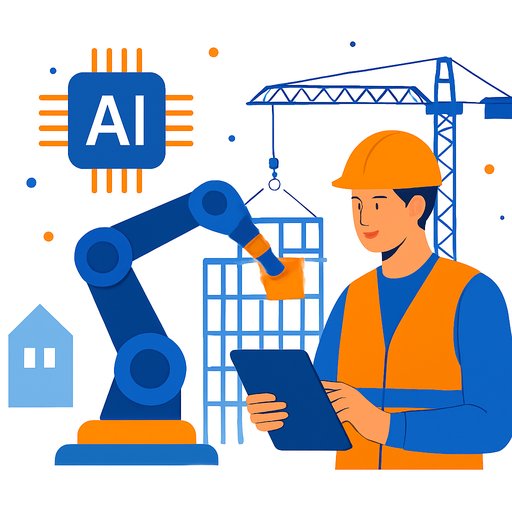
The largest productivity gains in construction are still expected to come from robotics and modern methods like prefabrication and modular building. These approaches shift work into controlled factory environments where standardisation and automation deliver much higher efficiency. They remain years away from being deployed at scale, particularly in Australia where regulatory and industry structures haven't fully aligned with this model.
AI won't transform how buildings are physically constructed. Its impact will be felt in how projects are organised, coordinated and delivered. In an industry where inefficiencies are embedded in processes rather than effort, even incremental improvements compound over time.
The result is not a sudden productivity leap, but a gradual narrowing of the gap between construction and the rest of the economy.
Explore AI for Real Estate & Construction or learn more about AI for Operations.
Your membership also unlocks: