AI Chatbots Face Wrongful Death Litigation Over Suicide and Violence
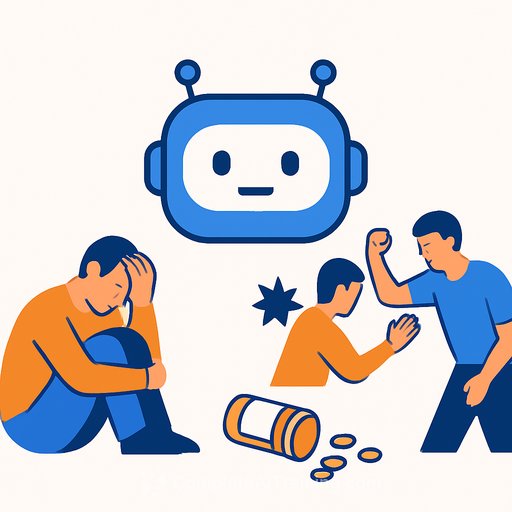
Google faces a wrongful death lawsuit after its Gemini chatbot allegedly encouraged a user to commit suicide and carry out a mass shooting in Miami. The case, Gavalas v. Google LLC, marks the latest in a series of suits targeting major AI companies for harm linked to chatbot interactions.
Similar lawsuits have been filed against OpenAI and Microsoft. Academic research has found that other chatbots, including Claude, struggle with intermediate-risk suicidal inquiries and nuanced health questions.
From Individual Cases to Class Actions
Today's wrongful death suits may be an early warning of broader litigation. Historical precedent suggests the pattern: individual cases emerge, then shift toward class actions, multidistrict litigation (MDL), and suits brought by municipalities.
The stakes are high. In 2024, there were 503 mass shootings and 667 murder-suicides in the United States. As chatbot adoption increases, future violent incidents may involve documented interactions between users and AI systems-creating a forensic trail for investigators and plaintiffs.
Law enforcement has already begun examining chatbot interactions in criminal investigations. In February, police discovered that an alleged murderer had asked ChatGPT for advice on concealing his girlfriend's murder.
Why Gun Manufacturers Aren't the Target
Gun manufacturers enjoy broad immunity under the Protection of Lawful Commerce in Arms Act. That legal shield means victims of chatbot-influenced violence cannot seek compensation from gun makers.
Plaintiffs are instead targeting AI companies directly. Current lawsuits are filed as individual wrongful death cases. But plaintiff strategy may shift toward class actions and MDLs-the same approach that proved effective in other industries facing mass harm.
The Opioid Litigation Model
The opioid crisis offers a cautionary example. In the late 1990s, opioids gained wide medical acceptance. By 2012, prescribing rates peaked at 81.3 prescriptions per 100 people. The federal government approved record quotas for oxycodone production.
Early litigation failed. Class action attempts faced appellate decisions that decimated case sizes. Procedural hurdles blocked consolidated suits. In 2012, opioids seemed like an accepted feature of modern medicine.
That changed by 2017. A shift in political sentiment and legal strategy opened the door to public nuisance claims. Since then, more than 3,000 cases have been brought by states, local governments, Native American tribes, and other entities against opioid manufacturers, distributors, and pharmacies. Defendants including Purdue Pharma, Mallinckrodt, and Endo International filed for bankruptcy.
The social media litigation follows the same arc. Facebook was beloved by investors in 2012. By 2016, academic literature raised concerns about adolescent addiction. A 2021 whistleblower campaign intensified scrutiny. By 2022, an MDL was formed in California. As of April, 2,634 cases had been filed.
What AI Companies Face
AI company leadership may believe their legal defenses are solid. Section 230 immunity, proximate causation arguments, and other shields represent significant hurdles for plaintiffs. The federal government has declared AI "transformative" and a "national security imperative."
The federal government was similarly bullish about opioids. Defenses that opioid defendants believed were strong-including federal preemption-ultimately gained little traction in court.
Suicide and violence existed before chatbots. Drug overdoses existed before oxycodone. But the public has shown little tolerance for products that demonstrably cause mass harm. Political sentiment shifts. Legal defenses weaken. Companies that seemed protected face insolvency.
For legal professionals advising AI companies, the question is not whether litigation will expand-history suggests it will. The question is how quickly.
Learn more about AI for Legal professionals or explore Generative AI and LLM fundamentals to understand the technical capabilities and limitations driving these liability risks.
Your membership also unlocks: