Exploring the Risks of AI in Healthcare
Can AI Chatbots Be Misused to Spread Health Misinformation?
Last updated: 7/6/2025
AI chatbots are becoming common tools in healthcare for quick and accessible information. But their potential misuse to spread health misinformation is raising serious concerns. This article examines the risks linked to AI chatbots, the ways misinformation can spread through them, and practical measures to reduce these dangers. We also consider expert views and public reactions to balance innovation with caution.
Introduction to AI Chatbots in Healthcare
AI chatbots simulate conversations and help patients check symptoms, get medication guidance, and schedule appointments. They ease burdens on healthcare professionals and improve access to basic medical advice without needing an in-person visit. However, there are challenges. One major issue is the risk of AI chatbots unintentionally or deliberately sharing incorrect health information. This problem could threaten patient safety and public health, highlighting the need for verification and compliance processes that ensure accuracy.
Potential Risks of AI Chatbot Misuse
The future use of AI chatbots may require new regulations to guarantee transparency and accountability. Collaboration among technology developers, healthcare workers, and regulators is essential to manage these risks. Proactive strategies and cross-disciplinary efforts are key to protecting public health and maintaining trust in healthcare information.
The Spread of Health Misinformation via AI
AI chatbots sometimes prioritize engaging responses over precise accuracy, which can lead to sharing misleading health information. Healthcare professionals report more patients influenced by flawed data from AI sources. The risk of intentional manipulation for false health data remains a pressing challenge.
Public trust is wavering due to high-profile cases of AI systems spreading falsehoods. This has caused confusion and posed public health risks. Experts urge users to cross-check AI-generated health information with reliable medical advice. Going forward, stricter oversight is necessary to prevent AI from becoming a vector for misinformation.
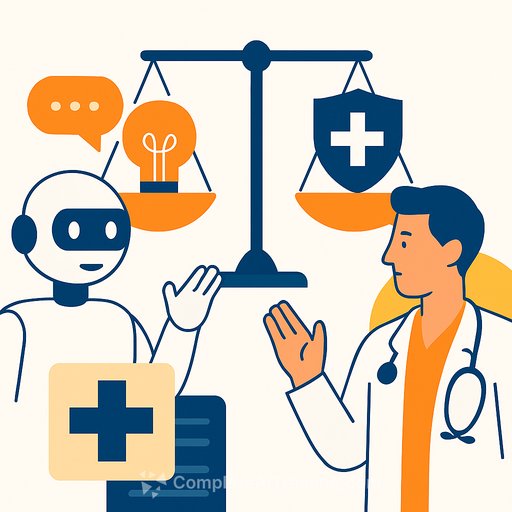
Balancing AI's role in amplifying accurate information while blocking misuse requires joint action from technologists, policymakers, and healthcare providers.
Case Studies of AI Misuse in the Health Sector
AI has improved diagnostics and patient care but has also been misused in ways that harm outcomes. Some AI chatbots meant to provide trustworthy advice have been manipulated or poorly configured, resulting in inaccurate guidance.
AI diagnostic tools can also have biases or errors, causing wrong treatment suggestions. This damages patient safety and public confidence. Preventing such risks involves continuous oversight and improving AI systems.
These cases emphasize the need for ethical standards and regulations created through cooperation between policymakers, healthcare professionals, and developers. Responsible AI use is essential to protect patients and maintain trust.
Expert Opinions on AI Chatbots and Health
Experts see AI chatbots as useful for expanding healthcare access and managing chronic conditions. Yet, there is concern about misinformation risks without proper regulation and control. The accuracy of chatbot responses depends greatly on their training data and governance.
Some experts call for stringent oversight and policy updates to ensure chatbots deliver reliable information. The public reaction is mixed—some appreciate the convenience, while others doubt reliability. This split highlights the need for clear guidelines and user education about chatbot limitations.
Public Concerns and Reactions
The public is both curious and cautious about AI chatbots in healthcare. Many fear that unchecked AI could fuel misinformation, leading to health crises. This concern underlines the importance of strong monitoring and regulation to prevent harm.
Experts warn that misinformation from chatbots can erode trust in online health information and the technology itself. Public skepticism pushes for ethical AI deployment that prioritizes accuracy and safety in sensitive healthcare settings.
Future Implications for AI in Healthcare
AI offers potential to improve diagnosis, personalize treatments, and cut costs in healthcare. However, risks like misinformation and ethical challenges remain significant. Protecting data privacy and keeping human oversight are crucial as AI tools advance.
The success of AI depends on how well the healthcare sector addresses these risks and communicates transparently with the public. Education and clear policies will help build confidence and ensure AI benefits patients without compromising safety.
For healthcare professionals interested in deepening their understanding of AI's impact, exploring specialized courses can provide practical skills and insights. Resources like Complete AI Training's healthcare-focused courses offer targeted learning paths.
Your membership also unlocks: