Thousands of UK University Students Caught Cheating Using AI Tools
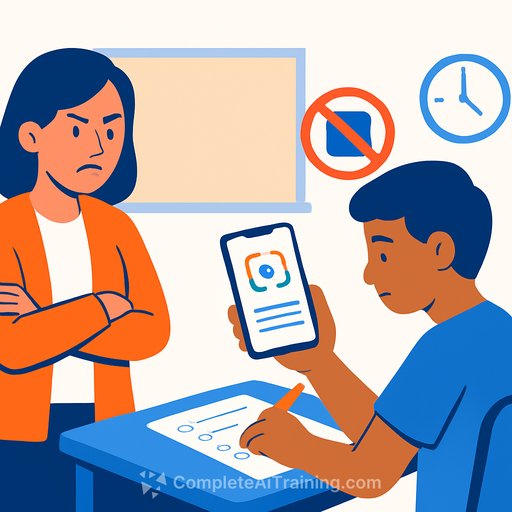
A recent investigation reveals nearly 7,000 confirmed cases of university students in the UK caught cheating with AI tools like ChatGPT during 2023-24. This marks a significant rise from previous years, with 5.1 cases per 1,000 students reported—up from 1.6 in 2022-23. Early data for this academic year suggests the number could climb to 7.5 per 1,000 students. However, experts warn these figures represent only a fraction of actual misuse.
Cheating Trends Shift as AI Tools Become Widespread
The rise in AI-assisted cheating contrasts with a decline in traditional plagiarism, which fell from 19 to 15.2 cases per 1,000 students between 2019-20 and 2023-24. Early evidence for this year points to a further decrease to around 8.5 per 1,000. Before generative AI tools were widely available, plagiarism made up nearly two-thirds of all academic misconduct. The pandemic had temporarily increased plagiarism rates due to online assessments, but AI has since altered the cheating landscape.
Data collected from 131 UK universities shows over a quarter of institutions still don’t track AI misuse as a separate category of academic misconduct. This suggests many cases may go unrecognized or unreported. Detecting AI-generated work is considerably more challenging than spotting copied text, making enforcement difficult.
Challenges in Detecting AI Misuse
Research from the University of Reading found that AI-generated submissions bypassed detection systems 94% of the time. Dr. Peter Scarfe, co-author of the study, explains that unlike plagiarism, AI use is hard to prove definitively. He emphasizes the difficulty of accusing students without concrete evidence, and the impracticality of moving all assessments to in-person formats.
Scarfe highlights a critical point: “Universities must accept that students will use AI, sometimes undetected, and adjust their assessment methods accordingly.”
Students' Use of AI: Support Tool or Cheating Aid?
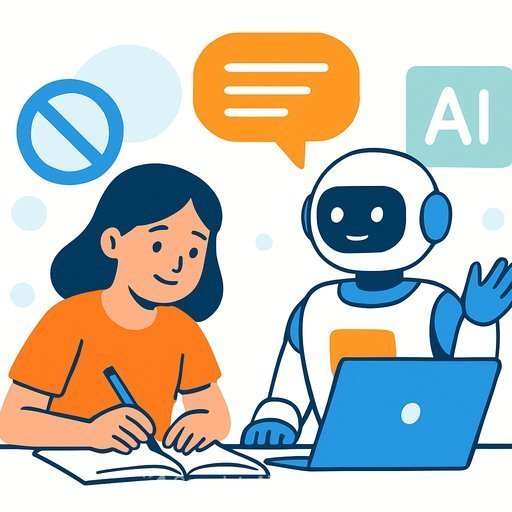
Many students report using AI for brainstorming, structuring assignments, and generating ideas rather than copying text directly. Harvey*, a recent business management graduate, says ChatGPT has been part of his university experience from the start. He and many peers use AI to help organize their thoughts but rework any AI-generated content thoroughly.
Amelia*, a first-year music business student, describes AI as especially helpful for students with learning difficulties. She shares how a friend with dyslexia uses AI to organize her own points without relying on it to write essays. This reflects a broader view of AI as an assistive tool rather than a shortcut.
AI Tools Are Becoming More Accessible to Students
Tech companies are targeting students with AI offerings. For example, Google provides free upgrades to its Gemini AI tool for university students, and OpenAI offers discounted access for colleges in North America. Meanwhile, social media platforms like TikTok host numerous videos promoting AI paraphrasing and essay-writing services that help students evade AI detection by “humanizing” text.
What Universities Can Do
Dr. Thomas Lancaster from Imperial College London advises focusing on assessments that develop skills AI cannot easily replicate—such as communication, interpersonal skills, and adapting to new technologies. He also suggests actively involving students in the assessment design process to improve engagement and reduce cheating incentives.
He warns against relying solely on exams, noting that the value of rote learning continues to diminish. Instead, assessment should emphasize critical thinking and practical skills.
Government Response and Future Directions
The UK government is investing over £187 million in national skills programs and has issued guidance on AI use in education. A spokesperson said generative AI offers growth opportunities but requires careful integration into teaching and assessment. Universities must find ways to balance AI’s benefits with the need to uphold academic integrity and prepare students for future jobs.
- Confirmed AI-related cheating cases in UK universities: ~7,000 in 2023-24
- Traditional plagiarism cases declining steadily
- AI misuse detection remains a significant challenge
- Students often use AI as a brainstorming tool rather than copying outright
- Universities encouraged to redesign assessments focusing on skills AI can’t replace
For educators looking to better understand AI tools and their implications in academic settings, exploring targeted AI training courses can be valuable. Resources like Complete AI Training's latest courses offer practical insights on AI applications and ethical considerations.
*Names have been changed for privacy.
Your membership also unlocks: