AI Companies Race to Automate Their Own Research, Raising Control Concerns
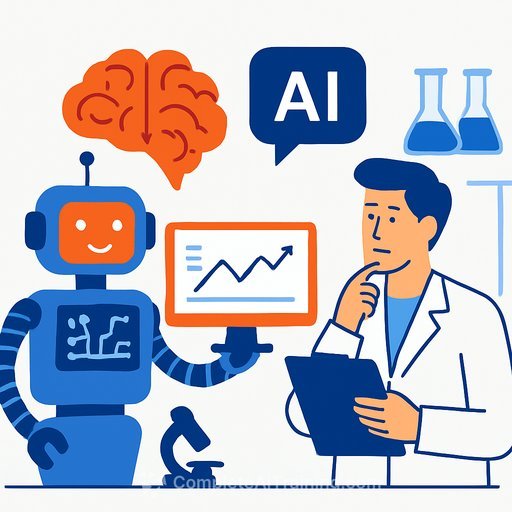
OpenAI and Anthropic are developing AI systems that can write code, review literature, and propose experiments with minimal human input. The companies say fully automated AI research is achievable within five to ten years, a prospect that has alarmed researchers and policymakers who worry the industry is accelerating beyond meaningful oversight.
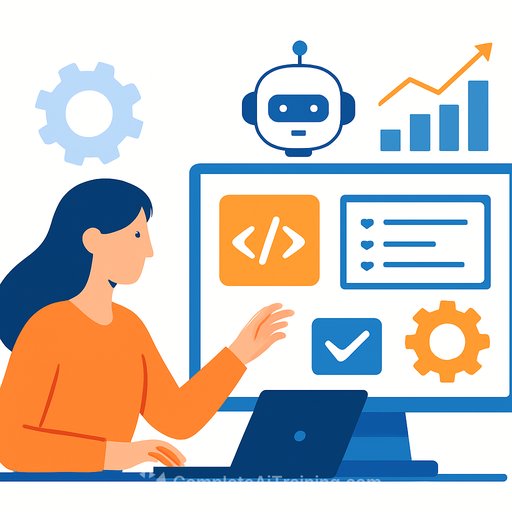
Anthropic reports that Claude, its AI system, already writes up to 90% of its code. OpenAI plans to launch an "AI research assistant" within six months and aims to deploy a fully "automated AI researcher" by 2028.
Why This Matters for Development Teams
If AI systems can improve themselves iteratively without human intervention, the pace of AI capability advancement could outstrip the ability of governments and organizations to establish safeguards. For developers, this means the tools and models you work with could change faster than your team can adapt.
The concern isn't theoretical. Nick Bostrom, a philosopher who studies AI risk, said: "We are starting to see AI progress feed back on itself." Neev Parikh, a researcher at METR, a nonprofit studying AI coding capabilities, added: "I don't expect a reason for it to slow down."
What Companies Are Actually Building
Beyond the headlines, the technical progress is incremental but steady. Dario Amodei, Anthropic's CEO, said coding tools speed up his company's workflows by 15-20%. That's meaningful but far from autonomous research.
The systems currently handle specific tasks: Generative Code writing, interpreting results, and proposing next steps. They don't yet run independent Research programs or make strategic decisions about which problems to pursue.
The Industry's Confidence Gap
There's a disconnect between what companies claim they'll achieve and what they've actually demonstrated. Public timelines for "fully automated" research are aggressive, yet the technical barriers remain substantial. Self-improving systems require robust evaluation methods, error correction, and the ability to recognize when an experiment has failed-problems that haven't been solved at scale.
Last month, protesters gathered in San Francisco demanding a halt to superintelligent AI development, signaling public unease with the pace of progress.
What Developers Should Know
The automation of AI research affects you directly. If these systems mature, the competitive pressure to deploy them will intensify. Companies that adopt self-improving AI systems early may gain advantages in speed and cost, while those that don't risk falling behind.
This creates pressure on organizations to adopt tools before their safety and reliability are fully understood. Policymakers have not kept pace with industry development, leaving questions about oversight and control largely unanswered.
The takeaway: monitor these developments closely. The industry's timeline is aggressive, but the technical challenges are real. How your organization responds to these tools-and whether you push back on deployment timelines-will shape both your work and the broader trajectory of AI development.
Your membership also unlocks: