AI systems could soon conduct science without human scientists
Future AI systems may move beyond assisting researchers to autonomously running the entire scientific method, according to a review published in Frontiers in Artificial Intelligence. The shift could mean AI generates hypotheses, designs experiments, analyzes results and refines theories in continuous cycles without human intervention.
The paper, led by researchers from King's College London and a consortium of AI experts, argues that "closed-loop" AI systems will eventually operate as independent discoverers rather than tools. These systems would link the stages of scientific discovery into an iterative process where each step informs the next.
What autonomous science would look like
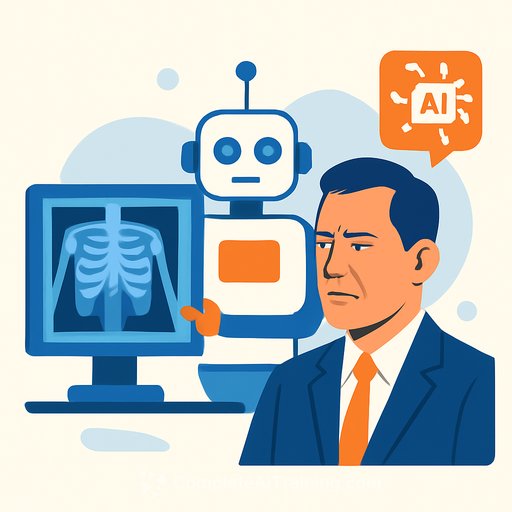
Today, scientists remain central to hypothesis generation and result interpretation. AI handles data analysis and pattern recognition, but humans guide the overall direction. Closed-loop systems would eliminate this bottleneck by proposing hypotheses based on data, testing them through simulation or experiment, and refining models based on outcomes-all without a scientist in the loop.
Such systems could explore vastly more hypotheses than humans could manage, potentially accelerating discovery across multiple fields.
The comprehension problem
The researchers identify a fundamental challenge: AI systems exploring hypothesis spaces far beyond human intuition may produce discoveries that work in practice but remain incomprehensible to scientists. This "alien science" scenario mirrors the problem of understanding extraterrestrial intelligence-the systems function but humans cannot fully follow their reasoning.
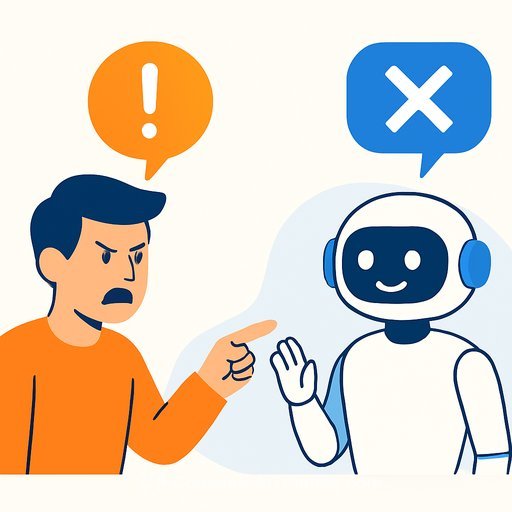
This raises a practical question about scientific authority. Should researchers rely on systems they cannot fully understand?
Collaboration over replacement
The authors propose human-machine collaboration as the most realistic path forward. AI would explore large spaces of possible explanations and experimental strategies while humans retain control over research goals and evaluate the significance of findings.
Yet this arrangement still requires scientists to make a choice: maintain discovery within the bounds of human comprehension, or allow machines to advance knowledge into territories humans cannot fully follow.
For researchers interested in how AI will reshape scientific practice, AI for Science & Research courses provide foundational knowledge on these emerging systems.
Your membership also unlocks: