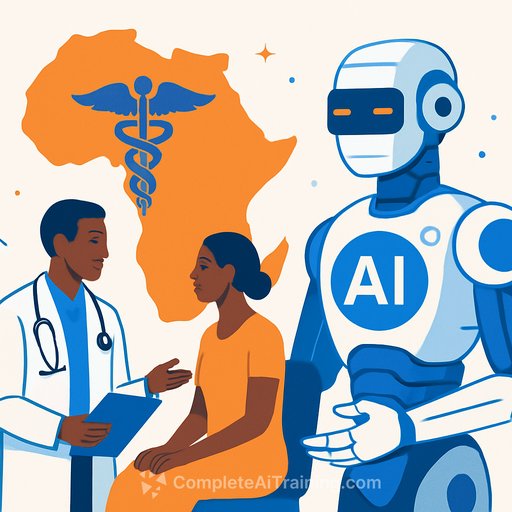
AI in African Healthcare: Opportunities with Guardrails
A recent Newmark Group webinar, "AI in Healthcare: Opportunities and Challenges," put the promise and the risks of AI in plain view for African healthcare leaders. The core message was simple: AI can speed up meaningful work, but humans must keep it accurate.
Opening the session, Newmark Group CEO Gilbert Manirakiza noted that AI is already accelerating decision-making in health communication workflows. From analysing patient feedback to monitoring online conversations and personalising messages, teams are cutting response times and reducing approval bottlenecks.
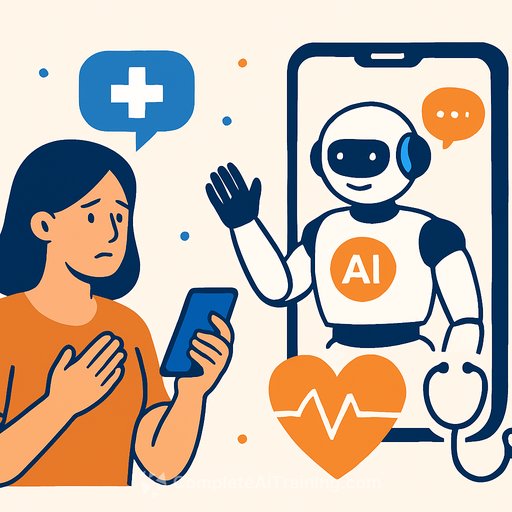
He also flagged a shift in patient behaviour: many now ask tools like ChatGPT about symptoms and treatments. That raises the bar for health communicators to ensure that what people find online is correct, current and culturally relevant. "If AI makes mistakes in healthcare, the consequences affect real lives," he said.
Where AI Is Helping Right Now
- Patient voice at scale: Rapid analysis of feedback, complaints and survey data to surface trends and gaps in service quality.
- Social listening: Monitoring conversations to catch misinformation, sentiment shifts and emerging public health concerns.
- Targeted messaging: Personalised health education and reminders tailored to different audiences.
- Operational speed: Drafting materials and streamlining approvals so frontline teams get what they need faster.
Why Africa's Context Must Lead
Manirakiza underscored what many in the audience know first-hand: Africa isn't a copy-paste use case. Mobile-first access, dozens of local languages, and trust networks built around religious and community leaders change how information is received and acted on.
AI trained mostly on Western data can miss that context. Models may misunderstand symptoms described in local idioms, misread sentiment, or recommend pathways that don't exist on the ground. Without guardrails, that gap turns into real risk.
Key Risks to Manage
- Misinformation: Confident, incorrect outputs that can mislead patients or staff.
- Data bias: Models that underperform for African populations and languages.
- Overreliance: Teams deferring judgment to tools that weren't clinically validated.
- Trust and equity: Messages that ignore local norms and reduce engagement where it matters most.
Practical Guardrails for Health Leaders
- Human-in-the-loop by default for any patient-facing or clinical content.
- Local validation: Test models with real datasets from your facilities and communities before scale-up.
- Language coverage: Invest in prompts, glossaries and datasets for priority local languages.
- Clear sourcing: Require citations or verified references for medical claims.
- Community input: Co-create messaging with clinicians, nurses, and trusted local leaders.
- Governance: Define who approves AI outputs, how errors are reported, and how models are updated.
What You Can Implement This Quarter
- Pick two use cases with low clinical risk: patient FAQs and social listening summaries.
- Create approval workflows: assign clinical reviewers and set response-time SLAs.
- Build a red-flag list: high-risk topics (medication dosing, emergencies) that AI must not answer without human review.
- Run a language pilot: adapt messaging for one local language and measure comprehension and action rates.
- Measure outcomes: track accuracy, turnaround time, and patient engagement before/after AI assistance.
For Policy and Safety Teams
- Adopt ethical guidelines aligned with global health standards and local law. The WHO's guidance on AI for health is a solid starting point: WHO: Ethics & governance of AI for health.
- Set data boundaries: define what data can train models, retention periods and de-identification rules.
- Incident response: document how to handle harmful outputs and notify stakeholders.
The Bottom Line
AI should make healthcare teams faster and more focused. People ensure it stays safe and correct. Build with local context, validate with local data, and keep clinicians and communicators in the loop-especially where the cost of error is high.
Further Learning
Your membership also unlocks: