AI Data Center Explosion: The Alarming Threat to America's Infrastructure Projects
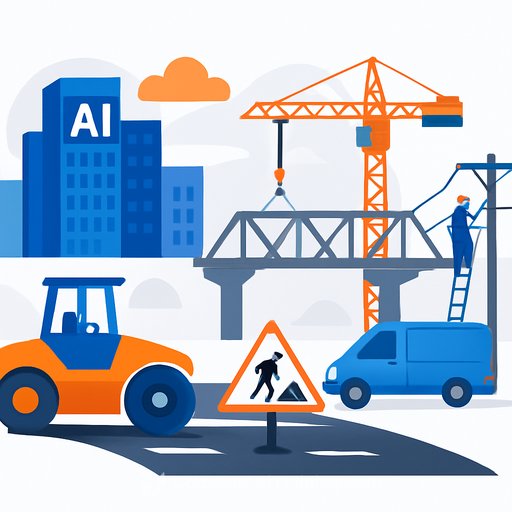
AI is booming. The builds that power it are colliding with your capital plans. The result: a resource squeeze that slows roads, bridges, water systems, and public utilities-while private data centers move to the front of the line.
For public leaders, this isn't theoretical. It's procurement delays, bid failures, wage spikes, and missed milestones that stack up quarter after quarter.
The new buildout math
Private investment in data centers is now running at an annualized rate above $41 billion-roughly matching state and local transportation construction outlays, according to Census Bureau construction data. At the same time, governments are posting record debt sales and eyeing another $600 billion for infrastructure.
When public and private timelines converge, they pull from the same pool-skilled labor, steel, concrete, switchgear, transformers, engineering hours. The math doesn't work without tradeoffs.
Where government projects lose ground
- Construction labor: Data centers absorb specialty trades with premium pay, leaving public bids underfilled or over budget.
- Materials: Steel, concrete, and electrical equipment get priority allocation to fast-moving private projects; delivery dates for public jobs drift.
- Engineering talent: High salaries and bonus packages attract designers and project controls to private work, thinning public-sector capacity.
- Timelines: Private schedules compress; public milestones extend, compounding carry costs and political risk.
Labor is the breaking point
Retirements are rising as the pipeline of new craft workers lags. Immigration policy has tightened labor availability; under President Donald Trump's immigration crackdown, the shortage has deepened. Both data centers and public works need the same specialized skills, and wages are moving up as employers compete.
The outcome is predictable: fewer bidders, higher bids, longer lead times. Workforce is the constraint you feel first and fix last.
What this means for your capital plan
- Sequence for risk: Advance life-safety and regulatory-deadline work; defer cosmetic scope. Lock critical-path packages early.
- Buy before you build: Pre-purchase long-lead items (transformers, switchgear, rebar) and store regionally to control schedule risk.
- Contract smarter: Use escalation clauses, framework agreements, and options for additional quantities to secure labor and materials.
- Broaden delivery: Employ CM/GC and progressive design-build to overlap design and procurement where statutes allow.
- Modular where possible: Prefab pump stations, electrical rooms, and bridge components to shift labor off scarce local crews.
- Stagger the market: Coordinate bid calendars across agencies to avoid competing for the same contractors in the same month.
- Local talent pipeline: Tie awards to apprenticeship hours, community college partnerships, and on-the-job training targets.
- Schedule flexibility: Night shifts and off-peak windows can win you crews that are fully booked during the day.
Policy levers to consider
- Priority codes for public safety projects: Establish regional material and equipment priority for drinking water, bridges, and transit safety upgrades.
- Shared procurement pools: Create multi-agency buying groups for steel, concrete, and electrical gear to improve price and allocation.
- Workforce surge: Expand funding for apprenticeships and fast-track credentialing for critical trades; evaluate temporary visa pathways for shortages.
- Bid environment management: Publish rolling, transparent capital calendars so contractors can plan capacity instead of pass on work.
- Private coordination: Require major private builds to file workforce and materials impact statements; align schedules where feasible.
- Energy alignment: Coordinate interconnection queues and capacity reservations so public electrification projects aren't crowded out by data centers.
Crypto and the broader tech ripple
Cryptocurrency mining and blockchain infrastructure chase the same power, cooling, and land that data centers need. Expect higher interconnection costs, longer utility timelines, and competition for substations and transformers that touch your capital plans.
FAQs
How serious is the competition?
Severe. Private data center spending is now on par with government transportation construction. Both rely on the same labor, materials, and engineering capacity, which stretches public schedules and budgets.
What's in the shortest supply?
Skilled construction labor, followed by electrical equipment and core materials. Engineering and project controls are also tight, pushing design timelines.
Why does Andrew Anagnost's view matter?
As Autodesk's CEO, he has direct visibility into design and construction workflows across public and private sectors. His warning: data center builds are pulling resources off other projects.
How does this affect crypto infrastructure?
Mining and node deployments compete for power, cooling, and qualified installers. Expect higher bids and slower delivery where data centers are scaling.
What policies are affecting labor?
Retirements and reduced immigration have lowered available workers. Under President Donald Trump's immigration policies, shortages intensified, widening the gap between demand and supply.
What to do this quarter
- Re-baseline project schedules with realistic labor and equipment lead times.
- Lock in procurement for long-lead electrical packages within 30-60 days.
- Group bids with neighboring agencies to attract larger, better-staffed contractors.
- Stand up a workforce task force with unions, community colleges, and major primes.
The bottom line: AI infrastructure is surging, and public projects will not win by hoping the market cools. Win by planning earlier, buying smarter, and coordinating regionally. The costs of delay compound; the returns on decisive sequencing show up fast in delivered assets and safer communities.
Helpful references: U.S. Census Bureau construction spending, BLS employment outlook for construction trades.
If your team needs a fast primer on AI's infrastructure demands to brief stakeholders, see these role-based AI courses.
Your membership also unlocks: