Business Pixels, Perception, and Public Trust: How AI Is Rewriting Reality—And Why Media Literacy Is Our Best Defense
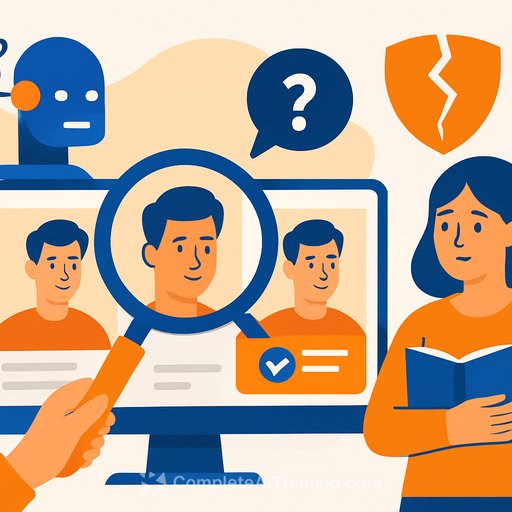
AI-generated images of presidents in papal robes or pop stars in awkward situations are no longer just internet jokes. These visuals now emerge from official sources, including government and military channels, affecting real-world perceptions and decisions. The distinction between satire and serious communication is fading. When military agencies use deepfakes or public health campaigns feature AI-generated humans, it signals a deeper crisis—one of perception, authority, and societal agreement on what counts as reality.
In 2005, philosopher Harry Frankfurt described much public communication as "BS"—language used without regard for truth. Today, this indifference isn't just spoken or written; it's visual and optimized by algorithms. The risk is no longer just misunderstanding messages but losing concern for their authenticity altogether.
For communicators, this shift reshapes everything. Audiences often ignore the source and instead respond to how content makes them feel or how often it appears in their feeds. This isn’t always driven by bad intent but often by a lack of media literacy. Traditional credibility markers like expertise and institutional trust are eroding, raising tough questions: How do we create messages that matter in a reality where facts are optional, but ethics are essential? The challenge is not merely strategic—it’s societal.
Spectacle and Simulation: Rewriting Reality One Post at a Time
False information spreads six times faster than the truth and often looks professional enough to influence governments, organizations, and the public. AI’s growing ability to mimic human behavior weakens our critical judgment. This isn’t new terrain; journalist Walter Lippmann noted in 1922 that people respond to “pictures in their heads” rather than actual events. AI doesn’t just reinforce these mental shortcuts; it mass-produces them.
Media theorist Neil Postman warned that entertainment dilutes serious public discourse. AI-generated media turns politics into parody and medicine into memes, making important topics digestible only as entertainment.
Burnouts and Breakdowns: The Case for Critical Literacy
Information overload drains attention and energy. With over two hours daily on social media, users face constant bursts of engagement or irritation. This leads to “information fatigue syndrome,” marked by burnout, decision paralysis, and news avoidance. People don’t turn away from news out of apathy but because content feels repetitive and overwhelming.
In this environment, trust becomes optional and attention reflexive. AI accelerates this trend by flooding feeds with endless content that blurs truth and fiction. Our brains default to simple mental shortcuts, leaning on stereotypes instead of scrutinizing every piece of media. The answer isn’t to withdraw but to build critical literacy—the skill to question and evaluate information actively.
Algorithms, Authenticity, and the Ethics of Attention
For communicators, the pressure to capture attention can tempt shortcuts: chasing clicks, amplifying outrage, or mimicking authenticity without responsibility. But the real test is not how to grab attention but how to earn it. Credibility is no longer automatic. To foster intentional engagement, trust must be built deliberately and consistently.
This means rejecting AI-generated volume without value, recognizing that saturation breeds cynicism, and focusing on content that supports media literacy rather than just visibility.
From Content to Consequence: What We Must Do Now
Frankfurt warned that "BS" is dangerous because it’s indifferent to truth. Postman warned that spectacle drowns substance. Lippmann warned that internal mental images overpower facts. These warnings intersect today at the crossroads of AI and public discourse.
The real threat isn’t just misinformation but the collapse of consensus—a shared process for assessing truth, credibility, and evidence. When every post or AI-generated image carries equal weight regardless of source, that shared framework falls apart. This breakdown undermines public trust and the conditions for productive disagreement. We risk not just arguing about facts but doubting whether facts exist at all.
Communicators face a unique responsibility. We don’t just compete for attention; we shape the environment where reality is defined. Every message influences not only markets but also the broader social fabric. The impact of our work must be measured not only by performance metrics but by its effects on public understanding and trust.
If we all help shape attention, we also must manage its consequences, including protecting our collective commitment to truth.
- Explore courses on AI and media literacy at Complete AI Training.
- Learn how to create authentic content that builds trust: AI courses for communications professionals.
Your membership also unlocks: