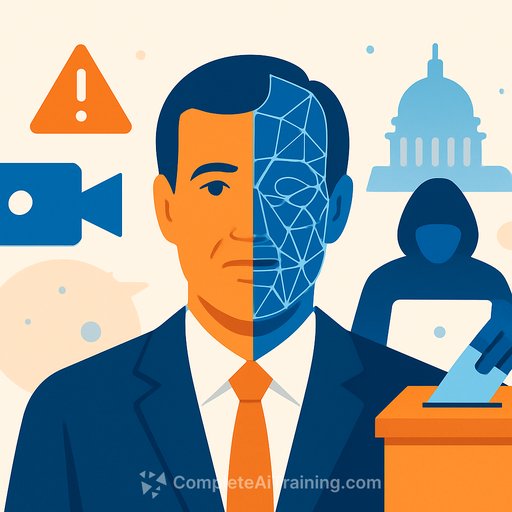
How AI is Wearing Down Democracy
Artificial Intelligence tools have become free and easy to use, which has led to an overwhelming surge of fake photos and videos. These AI-generated images often depict political candidates or their supporters saying things they never said or appearing in places they were never present.
This flood of misinformation spreads quickly online, aided by the anonymity the internet provides. The result is a significant challenge to democratic processes, as voters may be misled by fabricated content without clear accountability for its creators.
The Threat of AI-Generated Misinformation
The ease of generating realistic fake media means that traditional methods of verifying information are frequently outpaced. This creates an environment where false narratives can take hold and influence public opinion, often with little chance of correction before election outcomes are affected.
For government officials and policymakers, this raises urgent questions about how to safeguard electoral integrity and maintain public trust in democratic institutions.
What Can Be Done?
- Strengthen Digital Literacy: Educating citizens about AI-generated content and how to critically assess online information can reduce the impact of fake media.
- Implement Regulatory Measures: Governments need to consider frameworks that hold creators and distributors of disinformation accountable, while balancing free speech.
- Invest in Detection Tools: Developing AI tools designed to detect and flag deepfakes and manipulated content is essential for timely intervention.
Given these challenges, officials working in government roles must stay informed about AI's influence on information ecosystems and prioritize strategies to counter misinformation.
For those interested in expanding their knowledge on AI and its implications, Complete AI Training offers courses that cover AI tools and their societal impact.
Your membership also unlocks: