AI Deepfakes Emerge as Legal Threat to 2026 Elections
The legal system faces a critical gap as artificial intelligence can now generate videos and audio indistinguishable from reality-and laws have not caught up. With the 2026 election cycle approaching, legal experts warn that deepfakes could spread faster than fact-checkers can debunk them, leaving prosecutors with outdated tools to address a modern threat.
AI systems can now produce fabricated footage of public officials in minutes. The technology has already appeared in isolated incidents involving political figures, but analysts expect far more sophisticated disinformation campaigns ahead.
The Legal Gray Zone
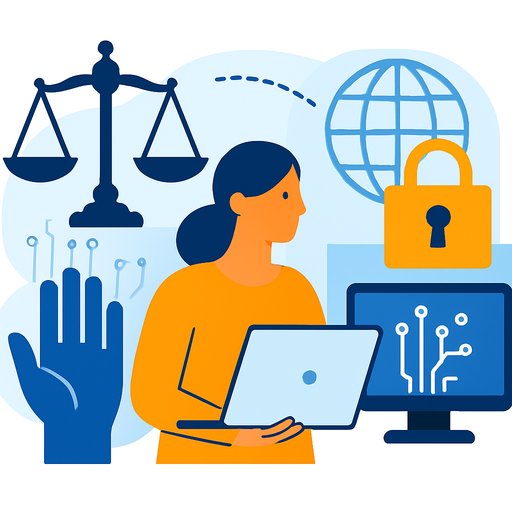
Federal law contains no comprehensive statute specifically regulating AI-generated political deepfakes. Prosecutors instead must apply a patchwork of older laws involving fraud, election interference, identity theft, or defamation-frameworks written before generative AI existed.
This gap creates what legal analysts call a "digital gray zone" where convincing fake content may spread widely without immediate legal consequences.
Modern AI systems now replicate facial expressions, voice tone, and speech patterns with remarkable accuracy. In many cases, viewers cannot distinguish authentic footage from fabricated video without advanced forensic tools.
Election Security and Beyond
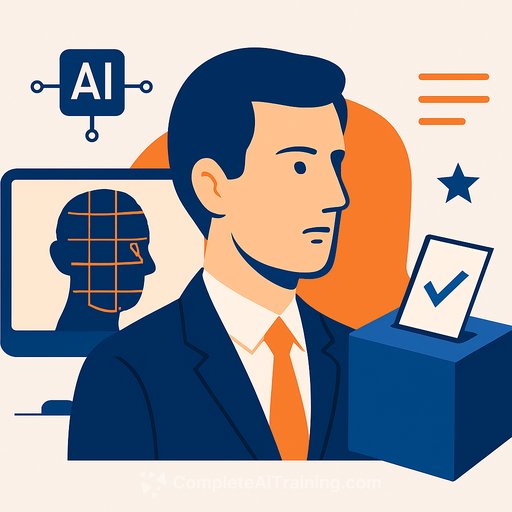
A convincing deepfake released days before an election could damage a candidate before the content is proven false. Even after debunking, the narrative could already influence voters.
The threat extends beyond domestic politics. Intelligence analysts have warned that foreign adversaries may exploit AI to manipulate public opinion in Western democracies. A fabricated video of a central bank official announcing an emergency financial measure, for example, could trigger market panic before the truth emerges.
Litigation Moves Slowly
Defamation law may provide victims of deepfake attacks a path to recourse, but litigation takes months or years. By the time a lawsuit concludes, reputational damage is often irreversible.
Some lawmakers now push for legislation that would criminalize malicious distribution of deceptive AI-generated political content. California and Texas have enacted statutes addressing certain election-related deepfakes, but legal experts say the patchwork nature of state regulations leaves significant gaps.
A coordinated deepfake campaign across multiple states could quickly fall outside the jurisdiction of any single law.
Constitutional Questions
Courts have traditionally been reluctant to regulate political speech, even when controversial or misleading. Determining where protected expression ends and unlawful deception begins could become one of the most significant constitutional debates of the AI era.
Detection Remains Behind the Curve
Major social media platforms have begun experimenting with digital watermarking and detection systems designed to identify AI-generated media. However, experts warn that technology is evolving so quickly that detection systems may always remain one step behind.
Cybersecurity researchers are exploring forensic techniques capable of identifying subtle artifacts left by AI generation systems. Those tools may become essential for journalists, courts, and investigators determining whether viral footage is authentic.
Implications for Evidence and Reporting
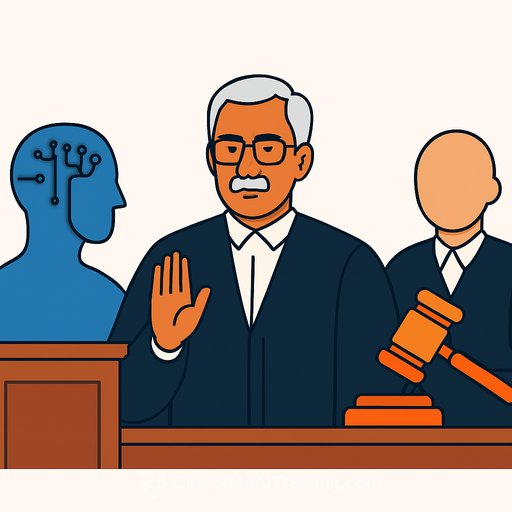
Video evidence has traditionally been considered one of the most powerful forms of documentation. As synthetic media becomes indistinguishable from reality, verifying authenticity will become critical to responsible reporting. That shift could fundamentally alter how courts, news organizations, and the public evaluate digital evidence.
Legal scholars warn that the United States may soon face a pivotal moment. If AI-generated deepfakes begin influencing elections, financial markets, or national security events, pressure on lawmakers to create a clear regulatory framework will intensify.
For now, the legal system races to catch up with technology evolving at unprecedented speed. The next major test could arrive before comprehensive protections are in place.
Your membership also unlocks: