How AI Detection Is Changing Digital Creativity
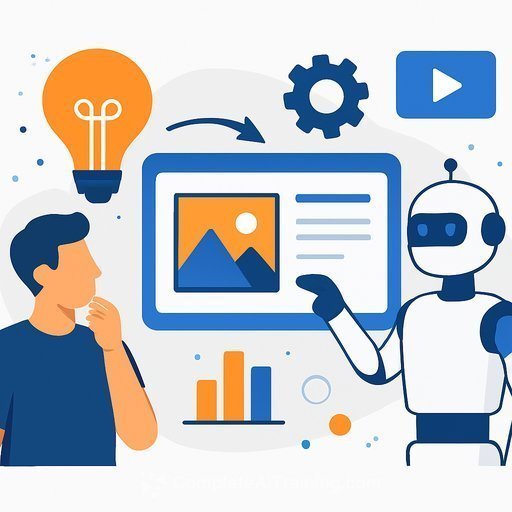
AI is now part of the creative toolkit. It sketches, drafts, scores, and edits on cue. That speed is exciting-until trust gets questioned. This is where AI detection steps in.
As AI can produce full illustrations, tracks, and scripts in seconds, the line between "handmade" and "machine-assisted" gets thin. Creators feel the upside and the risk. Audiences do too.
Why trust and transparency matter
People don't just buy visuals or words. They buy intent, decisions, and the emotion behind them. If they're unsure who-or what-created the work, the connection weakens.
Clarity is now part of the craft. If AI played a role, say how. Detection tools make that conversation easier by helping you show what was influenced by a model and what was crafted by hand.
What AI detection actually does
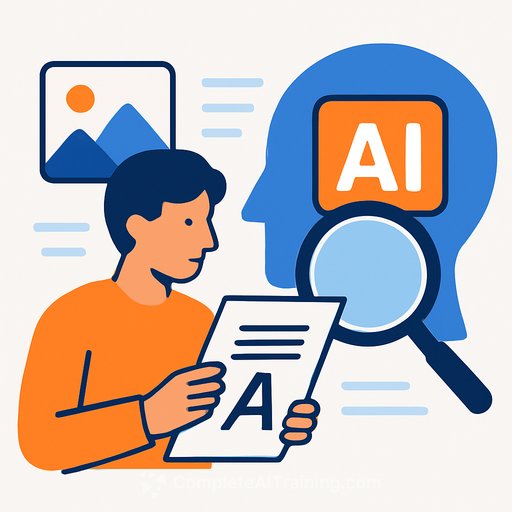
AI detectors analyze text, images, audio, and video to estimate whether parts were generated by a model. Think pattern analysis: word frequency, brushstroke artifacts, noise patterns, sampling quirks.
Helpful, but not magic. Treat results as signals, not verdicts. False positives and false negatives happen-especially with edited or hybrid work. Use detection to inform judgment, not replace it.
Where detection helps creatives
- Portfolio clarity: Label which steps used AI. That honesty builds credibility with clients and fans.
- Pitch protection: Publishers and competition judges want proof of originality. Detection helps validate your claim without drama.
- Team alignment: Studios can audit processes across artists, editors, and vendors to keep standards consistent.
- Client trust: Clear disclosure reduces scope creep ("Can't AI just do it?") and anchors the value of your judgment and taste.
Practical workflow for transparent creativity
- Keep a process log: Note prompts, models, and where you stepped in-sketch, refine, color, final pass.
- Export provenance data: Use content credentials when possible so edits and AI touches are recorded in the file. See C2PA provenance standards and the Content Authenticity Initiative.
- Run a pre-flight check: Before submitting to clients or contests, scan your work with a detector and include a short disclosure note.
- Build your style fingerprint: Maintain consistent choices in composition, color, rhythm, and narrative structure. Your taste is the signature AI can't fake well.
- Set boundaries per project: Define where AI is allowed (brainstorm, roughs, cleanup) and where it isn't (core concept, key frames, final copy).
Animation, comics, and visual storytelling
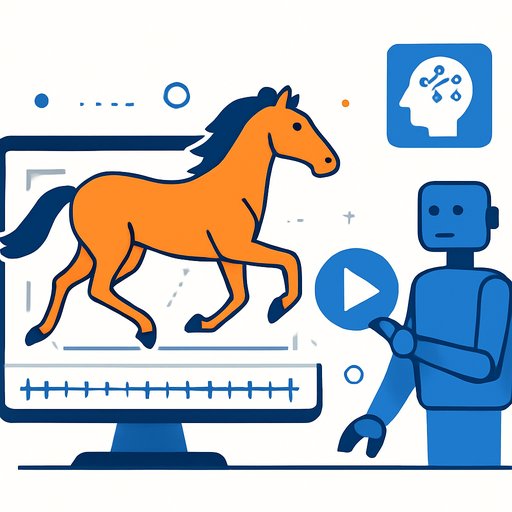
AI can draft story beats, character sheets, voices, and animatics. That unlocks speed-and serious questions. Should AI-assisted pieces be eligible for awards? Should viewers be told if voice work was synthetic?
A simple framework works: disclose the role, document the steps, and credit human contributors clearly. If AI touched dialogue, music, or character design, say so. You'll reduce backlash and raise the perceived value of your human decisions.
For educators, studios, and clients
- Set a disclosure standard: A short note in project files or end credits on where AI assisted.
- Require provenance where possible: Encourage content credentials on assets passed between teams.
- Define "originality" per brief: What must be human-made? What can be AI-assisted?
- Use detection as QA: Spot-check deliverables, then review context before making calls.
- Teach ethical use: Prompt sourcing, dataset concerns, and model selection should be part of onboarding.
The human element isn't optional
What makes art "human" isn't the tool; it's the taste, the edits you reject, and the choices that don't show up in the final file. If you direct an AI with a clear vision, the result reflects your judgment. If you outsource your judgment to the model, you get generic.
Detection doesn't threaten that. It spotlights it. The clearer your process, the stronger your position with clients and audiences who care about authorship.
Quick checklist before you publish
- Did you document where AI assisted?
- Did you add content credentials or a brief disclosure?
- Did you run a detector and save the report for your records?
- Is your style and decision-making obvious in the work?
- Do credits reflect both human roles and AI assistance?
What's next
Detection tools will keep improving, and so will the expectations around crediting AI's role. That's good for creatives who play the long game: clear process, clear value, clear authorship.
If you work with a brush, a stylus, or a model prompt, the goal is the same-make decisions that move people. Use AI to explore, use your taste to decide, and use detection to keep the process honest.
Level up your workflow
If you want structured ways to integrate AI while keeping your craft front and center, explore courses organized by creative roles at Complete AI Training. Designers can also find role-focused material in AI Design Courses to help preserve provenance and transparency while accelerating work.
Your membership also unlocks: