AI Detects Surgical Site Infections from Patient Photos with 73% Accuracy
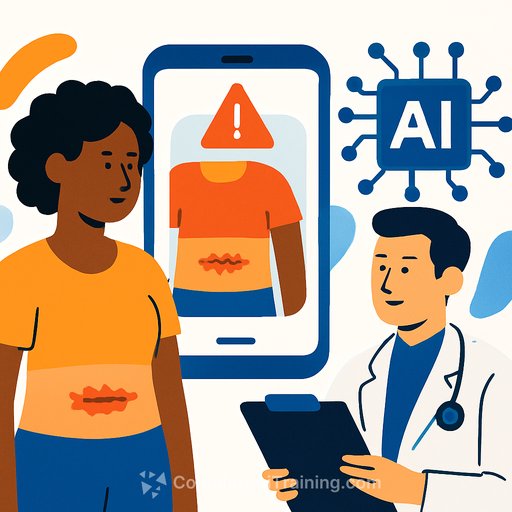
A new artificial intelligence tool developed by Mayo Clinic can identify surgical site infections (SSIs) from patient-submitted photos within electronic health records. This technology aims to improve postoperative care by enabling timely outpatient monitoring and reducing the workload on clinicians managing follow-ups after surgery.
How the AI Works
The AI uses a Vision Transformer model trained on over 20,000 images collected from 6,060 adult patients at nine Mayo Clinic hospitals. It first determines if an image contains a surgical incision, then analyzes it for signs of infection. Patients submitted photos through the patient portal within 30 days post-surgery, providing real-world data to train and test the system.
This approach addresses the rising administrative burden from increased outpatient surgeries and frequent patient photo submissions. Early detection of SSIs is critical to lowering postoperative complications and improving patient outcomes.
Performance and Equity
The model achieved a 94% accuracy rate in detecting surgical incisions and a 73% accuracy rate for identifying infections. While most patient contributors were white (92.5%) and female (61.4%) with a median age of 54, the study also examined potential algorithmic bias. The AI demonstrated consistent performance across different demographic groups.
Researchers are optimistic this tool will reduce diagnostic delays and provide faster feedback to patients. It can help clinicians prioritize cases that require urgent attention, especially in rural or resource-limited settings.
Implications for Postoperative Care
- Faster reassurance for patients or earlier infection detection
- Streamlined communication between patients and care teams
- Reduced clinician workload by triaging images automatically
- Potential for integration into virtual follow-up workflows
With further validation, this AI could become a primary screening tool and even detect subtle infection signs before they are visibly apparent.
Broader Context of Digital Postoperative Monitoring
Post-discharge complications within 30 days of surgery can delay recovery and increase hospital readmissions. Digital health tools have shown promise in early detection of complications and wound infections but require more quality research for widespread clinical adoption.
Other AI models have been successfully integrated into clinical workflows to predict sepsis risk in real time. For example, a system at Parkland Center for Clinical Innovation accesses electronic health records every 15 minutes and alerts clinicians when risk thresholds are exceeded. Such explainable and trusted AI models improve provider adoption and patient outcomes.
Looking Ahead
This AI-assisted wound care method lays the groundwork for enhanced postoperative monitoring as outpatient surgeries and virtual follow-ups become more common. It offers a practical way to improve patient care efficiency while addressing the challenges of increased patient-generated health data.
Healthcare professionals interested in expanding their knowledge of AI applications in healthcare can explore relevant courses and training at Complete AI Training.
Your membership also unlocks: