AI, Digital Healthcare, and PPP: NMC Signals a New Direction for Medical Education
Vijayawada - India's medical education ecosystem is set for a step change. National Medical Commission chairman Dr. Abhijat Chandrakant Sheth outlined a push for artificial intelligence, digital healthcare, and state-of-the-art technology to raise academic and clinical standards.
Speaking alongside NTR University of Health Sciences vice-chancellor Dr. P. Chandrasekhar, he stressed accessibility, faster processes, and Research as core levers. He also met Chief Minister N. Chandrababu Naidu to discuss key education priorities.
What's changing
The NMC plans to adapt teaching systems to make medical education more accessible to ordinary families. This includes simplifying accreditation procedures for medical colleges and avoiding delays in counseling for admissions.
The Commission also plans to make clinical research mandatory, while introducing new PhD specialty and subspecialty courses. This aligns with a broader shift toward technology-enabled learning and assessment across medical programs.
Public-Private Partnership (PPP) gets a green light
Medical colleges can now be set up in PPP mode by private entities with or without profit motive-marking a departure from the earlier focus on non-profit-only institutions. According to Dr. Sheth, this approach is already working in Gujarat.
For educators and administrators, this opens doors for new seats, better infrastructure, and partnerships with hospitals and health-tech providers. Expect more diverse funding models and faster capacity expansion if governance is tight.
Why this matters for educators
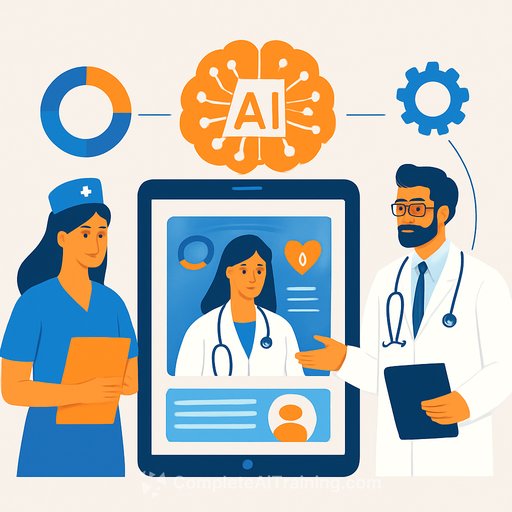
AI and digital healthcare aren't side projects anymore; they're becoming foundational to how medicine is taught and practiced. Faculty development, curriculum upgrades, and assessment changes will need to keep pace.
Mandatory clinical research is a big shift. Programs will need structured mentorship, IRB readiness, and clear pathways for student-led studies that meet ethical and methodological standards.
Practical steps for institutions
- Curriculum: Add applied AI, data literacy, digital health records, and telemedicine workflows to MBBS and postgraduate programs.
- Faculty: Stand up a quick upskilling plan for AI tools, Data Analysis, and digital pedagogy.
- Research: Build research methods bootcamps, shared datasets, and cross-department mentorship for student projects.
- Quality: Map your accreditation requirements now and pre-build evidence folders to speed up approvals.
- Admissions: Align academic calendars and strengthen digital counseling workflows to minimize delays.
- Partnerships: Explore PPP models with hospitals and private entities; secure clear MoUs on governance, clinical exposure, and research access.
Governance and risk checks
PPP can scale capacity, but quality must stay non-negotiable. Insist on transparent clinical exposure, research opportunities, and student support in any agreement.
For AI-enabled training, address data privacy, bias, and patient safety in both coursework and simulation environments. Build review checkpoints early.
What to watch next
Look for formal NMC notifications detailing accreditation simplifications, counseling timelines, and research requirements. Use that window to update internal SOPs and communication plans.
If you haven't already, bookmark the National Medical Commission site for policy updates and guidelines.
Resource for AI upskilling
If your team needs a fast start on AI skills for teaching and administration, explore curated learning by role here: Complete AI Training - Courses by Job.
Bottom line
The direction is clear: tech-enabled learning, research-first training, and faster administrative rails. Institutions that move now-on curriculum, faculty upskilling, and partnerships-will set the standard for the next decade of medical education in India.
Your membership also unlocks: