Classification of Movement Disorders
Tremor or Myoclonus? AI Helps Tell Them Apart
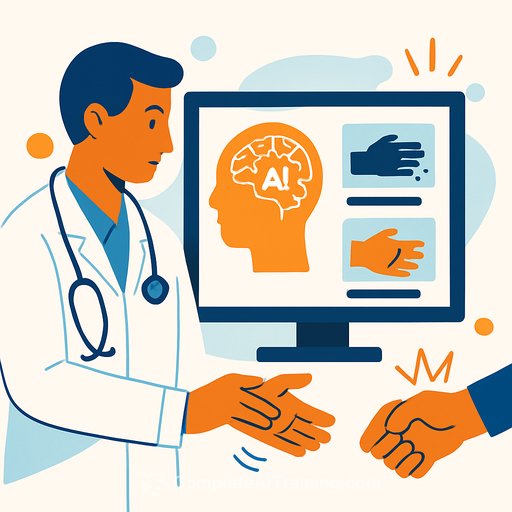
A recent study from the Expertise Centre for Movement Disorders in Groningen introduces machine learning as a tool to distinguish between different movement disorders. The Next Move in Movement Disorders (NEMO) project, led by neurologist Prof Marina de Koning-Tijssen, was developed in collaboration with the Bernoulli Institute at the University of Groningen (RUG). The findings are published in Computers in Biology and Medicine.
This research focuses on differentiating tremor from myoclonus, two involuntary movement disorders with overlapping symptoms. Tremor, commonly linked to conditions like essential tremor and Parkinson’s disease, involves rhythmic shaking. Myoclonus, on the other hand, consists of sudden, brief muscle contractions and can arise from various neurological issues.
Using machine learning, the NEMO team, including researcher Elina van den Brandhof, demonstrated that these disorders can be accurately distinguished. This distinction is critical because treatment strategies differ significantly between tremor and myoclonus.
Machine learning’s application in neurology offers practical benefits: it supports clinicians in diagnosing complex cases where symptoms overlap or coexist. This technology can enhance diagnostic speed and precision, ultimately improving patient care.
Prof Marina de Koning-Tijssen highlights that intelligent systems enable faster confirmation of diagnoses, paving the way for more focused treatments. Such advancements mark progress toward personalized therapy, where interventions align closely with individual patient profiles.
The partnership between the Expertise Centre and the Bernoulli Institute represents a key step in integrating AI into medical research. Professor Michael Biehl from the Bernoulli Institute emphasizes that this approach provides both scientific insights and tangible clinical advantages.
As machine learning continues to evolve, its application is expected to broaden across neurology and other medical specialties, enhancing diagnostic capabilities and patient outcomes.
For professionals interested in further developing skills in AI and machine learning applications in healthcare, resources and courses are available at Complete AI Training.
Your membership also unlocks: