AI Is Eating The Fun Part - And Creatives Are Being Pushed Into Ops
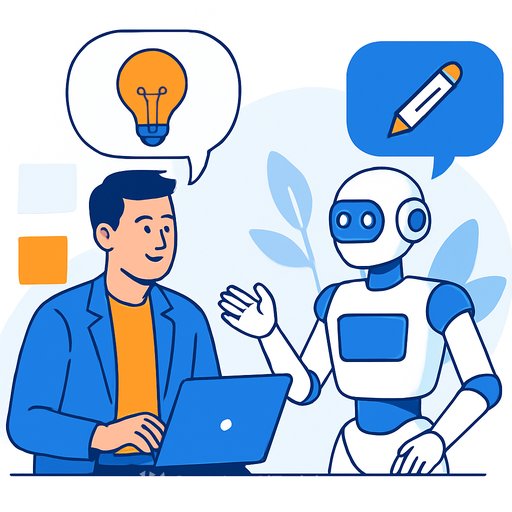
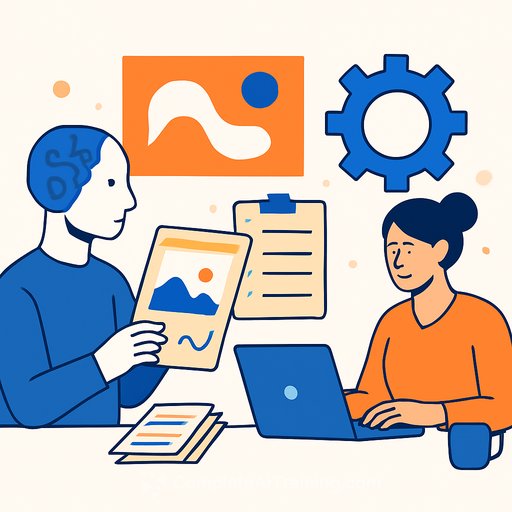
An employee on Reddit summed up the paradox every writer, translator, and designer feels right now: AI is great at procedure, yet companies are handing it the "creative" while humans get pushed into vague roles like strategist, project manager, or "orchestrator." Creativity gets fed into a bureaucratic blob, and the internet fills with average.
The question is fair: why aren't companies automating the paperwork and protecting human originality? Here's the uncomfortable answer, and what you can do about it.
The Paradox, Explained
- AI is built for systematization - briefs, outlines, metadata, formatting, translation consistency, research synthesis, calendars.
- Yet many teams now expect humans to manage the machines, while AI spits out the first draft. It's faster, cheaper, and "good enough" for volume goals.
- This flips incentives: humans become compliance officers for content, not creators of it. The work feels hollow, and creativity atrophies.
Why Companies Route Creativity To AI (And People To Bureaucracy)
- Predictability: AI produces consistent, on-brief output that managers can measure easily. Variance - the source of originality - looks risky on a dashboard.
- Throughput targets: When the KPI is volume and speed, average wins. AI meets quotas with less friction.
- Accountability theater: If a campaign flops, leaders can blame "the tool" or "the process" rather than defend a bold creative call.
- Cost structure: Bureaucracy scales internally. Real taste doesn't. So ops grows; craft shrinks.
What To Automate Vs. What To Own (If You're A Creative)
- Automate (procedural): briefs and content calendars, SEO scaffolding and clusters, first-pass research summaries, style-guide conformance checks, translation memory and glossary enforcement, alt text and metadata, formatting and repurposing.
- Own (creative capital): thesis and point of view, narrative structure, taste and tone, story selection, cultural references, ethical calls, final edits that add soul. This is where you earn your rate.
A Simple Creative-Ops Blueprint That Keeps You Creative
- 1) Intake: lock the business goal, audience, and a one-sentence thesis. No thesis, no work.
- 2) Model-as-ops: use AI to generate outlines, research bullets, and options - not final prose. Treat it like a junior researcher.
- 3) Creator pass: you select the angle, kill 70% of the fluff, and write the key beats in your voice.
- 4) AI conformance pass: run grammar, consistency, and metadata. Don't let it rewrite your voice.
- 5) Taste review: two questions - what will people remember, and what would make a peer share this?
- 6) Ship and learn: track saves, replies, backlinks, and time-on-page. Optimize for resonance, not word count.
Protect Your Time And Rate (So You Don't Become The Bot)
- Rewrite your role: "I own thesis, voice, and final cut. AI handles research, structure, and conformance." Put this in your SOW.
- Two-line scope clause: "Deliverables include creative development and final edit. Any added ops (distribution, formatting, extra variants) billed at $X/hr."
- Productize: sell packages with clear boundaries - e.g., "Thought-Piece Sprint: 1 angle, 3 sources, 1 hero draft, 1 revision."
- Price for outcomes: pair a base fee with a performance kicker tied to qualified leads, signups, or sales, not views.
- Show proof: keep a live sheet of before/after comps where your edit changed the angle and lifted results. Taste is hard to argue with when it wins.
Moats AI Can't Fake
- Original source material: interviews, proprietary data, field notes, founder stories, customer calls. If you own the source, you own the story.
- Worldview doc: your 10 non-negotiable beliefs. Everything you publish should sharpen one of them.
- Signature formats: recurring series with a named structure. Audiences bond with patterns.
- Owned channels: newsletter, podcast, private community. Social is rented land; clicks don't equal consent.
Make AI Your Ops Engine (Without Letting It Eat Your Voice)
- Create a style filter: 5 do's and 5 don'ts for your tone. Feed it to the tool before any draft.
- Use AI for "option generation," not decision making. You pick the angle and kill the average.
- Keep a "voice graveyard" - phrases you'll never use. Paste it in every prompt to keep your taste intact.
- Log model use for each deliverable. Clients appreciate transparency; you maintain standards.
About "Starting The Internet Anew"
Rebuilding everything on web3 or new protocols sounds clean, but adoption is the choke point. You don't control that. You do control owning distribution and making work people seek out.
The play is simple: reduce dependence on platforms you can't steer. Build direct lines, build formats people miss when you skip a week, and keep a backlog of original research you can mine for years.
Evidence That Supports This Split
Studies show AI boosts throughput on routine tasks while human oversight keeps quality and originality from sliding. See, for example, this NBER paper on productivity effects. Treat AI as leverage for the procedural layer, then double down on the part only you can do.
Next Steps You Can Do This Week
- Write your 10-point worldview and a one-page style guide. Share it with clients and pin it in your process.
- Map your workflow and label steps "AI-ops" vs. "Human-creative." Eliminate anything that sits in the middle with no clear owner.
- Ship one signature format. Name it. Make episode 001 this week.
- Add a clear scope clause and a performance kicker to your next proposal.
- Level up your stack: if you need structured help, explore curated options built for creative workstreams here: AI courses by job.
Humans are architects of their own demise. Or - of better systems. Use AI to clear the runway. Use your taste to fly the plane.
Your membership also unlocks: