The Future of Decision-Making: AI at the Core
By 2030, artificial intelligence (AI) will move beyond being a support tool and become the central driver of strategic decisions in real estate and construction. The traditional approach of relying on historical data and periodic reports is shifting to AI systems that analyze real-time data, delivering predictive insights and actionable recommendations. This change promises faster, smarter decisions that can improve efficiency and responsiveness across projects and assets.
From Retrospective to Predictive Thinking
Historically, decision-making in construction and real estate has focused on reviewing past performance through quarterly reports and static dashboards. Yet, recent studies show that business leaders see real-time, AI-driven decisions as the next edge in competition. AI now processes massive amounts of unstructured data—from IoT sensors on construction sites to tenant behaviour analytics—enabling stakeholders to make timely adjustments on pricing, maintenance, and resource allocation.
Real-Time Data Flows Are the New Currency
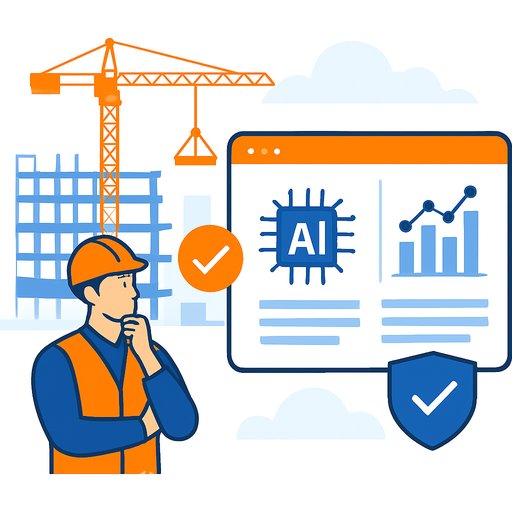
The future favors continuous data streams over infrequent updates. This shift allows companies to move from reacting to problems to anticipating and preventing them. AI platforms in construction already digitize site inspections and monitor progress, highlighting risks before they become costly issues. These real-time insights help reduce delays, avoid rework, and support informed decisions from the field to executive levels.
Cross-Industry Impact: Agility, Efficiency, and Accuracy
The benefits of AI-driven decision-making extend beyond construction and real estate. Logistics use AI for route optimization, reducing fuel costs and improving delivery times. Healthcare applies AI for diagnostics and patient monitoring. Within construction and property management, AI automates workflows like defect tracking and document management, while helping leadership quickly adapt to market fluctuations and regulatory changes. Studies estimate AI could increase global GDP by trillions, with real estate and infrastructure among the biggest beneficiaries through improved efficiency and risk control.
The Shift Toward Autonomous Decision Systems
AI is evolving to support semi-autonomous and fully autonomous decision frameworks. These systems, operating under ethical guidelines and human oversight, can handle routine tasks—freeing professionals to focus on strategic priorities. In facilities management, AI can automate energy monitoring, maintenance scheduling, and compliance reporting. Soon, smart buildings will automatically adjust HVAC settings, schedule inspections, and detect safety risks based on live data inputs.
Barriers to Adoption: Trust, Governance, and Data Quality
Challenges remain in adopting AI fully. Many organisations face fragmented data sources, poor data quality, and system integration issues. Trust in AI recommendations is also a hurdle; less than half of executives fully trust their AI systems. Transparent AI processes, explainable outputs, and keeping humans involved in decision loops will be essential to gain confidence and increase adoption.
The Human-AI Collaboration Model
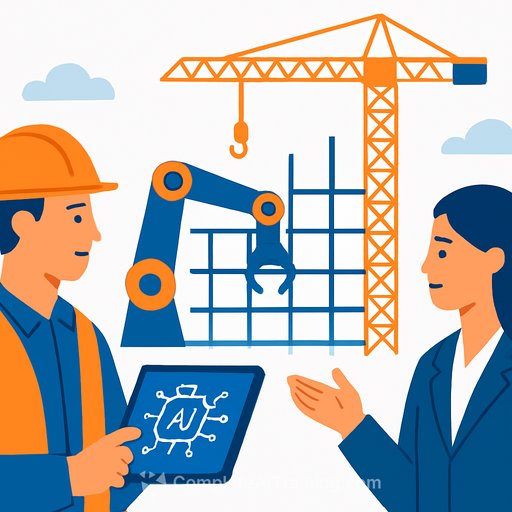
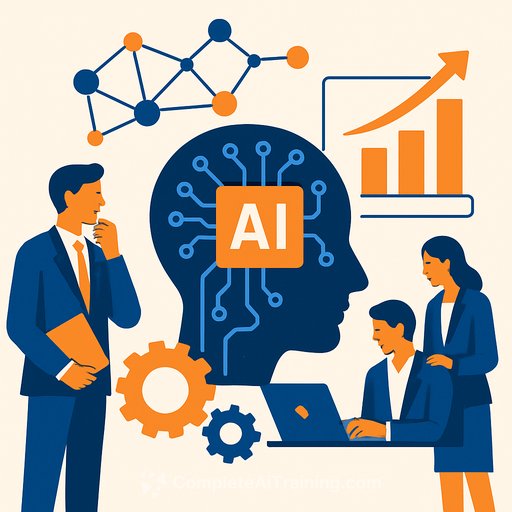
AI won't replace human decision-makers but will enhance their capabilities. Future leaders will excel at interpreting AI insights, questioning results, and applying judgment. The best outcomes will come from partnerships where AI manages complexity and humans guide strategy. Investing in workforce upskilling and promoting data literacy will position companies to thrive in this hybrid decision-making environment.
Building the Infrastructure for AI-Driven Decisions
Businesses must prepare now by breaking down data silos, investing in interoperable platforms, and adopting AI tools that adapt to changing needs. Establishing governance frameworks that balance innovation with responsibility is critical. For construction and real estate, where timing and accuracy are vital, transitioning to AI-powered decision engines will enhance profitability, safety, and sustainability while boosting stakeholder confidence.
Explore more about AI applications and training opportunities at Complete AI Training to stay ahead in this evolving landscape.
Your membership also unlocks: