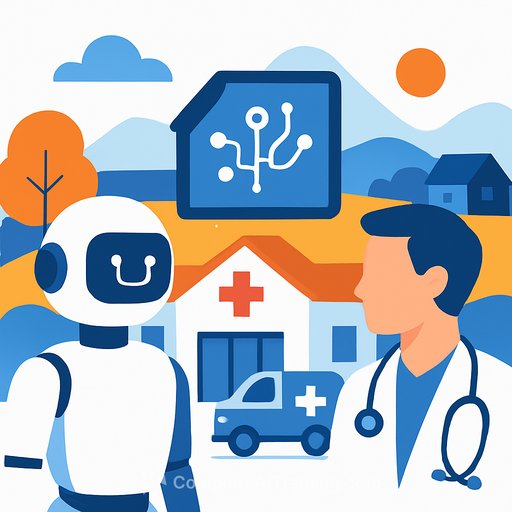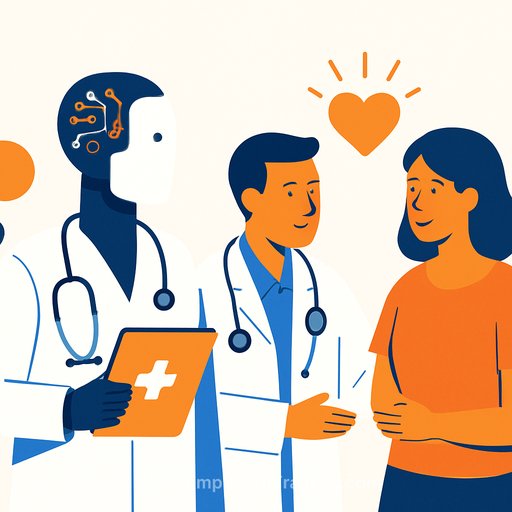
Healthcare is shifting as AI takes over routine tasks, freeing providers to focus on what machines can't replace: genuine human connection. Leaders who combine technology with empathy are gaining ground, proving that the human touch remains a vital market differentiator.
Technology Adoption: Breaking Barriers
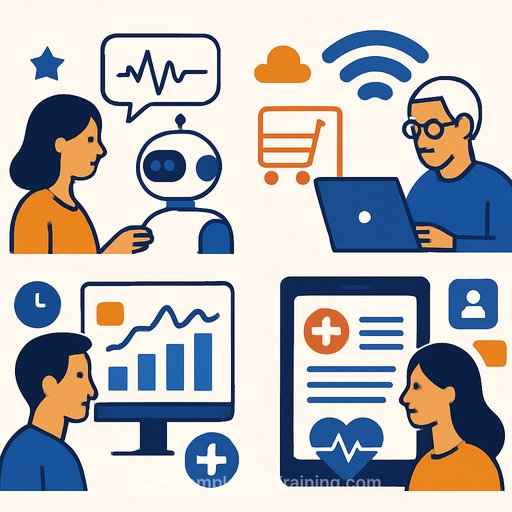
Healthcare organizations are more willing than ever to experiment with new technologies. AI has become accessible, affordable, and user-friendly in ways that were unimaginable a few years ago. Early attempts at AI-driven tools, like voice assistants collecting clinical histories, were promising but clunky. Today, these tools fit smoothly into daily clinical workflows, much like social media platforms once did—easy to use, widely accepted, and constantly improving.
Where AI Adds Immediate Value
AI is making the biggest impact on what can be called "efficiency tasks." These include clinical documentation through ambient technology and automating administrative duties like claims processing and scheduling. These areas have fewer regulatory hurdles compared to clinical decision support or AI-powered diagnostic tools, which face lengthy approvals.
This means that AI-driven efficiency improvements are the low-hanging fruit, delivering tangible benefits faster and allowing healthcare teams to focus more on patient care.
Overcoming Implementation Challenges
The main obstacle to adopting new technologies isn’t the tech itself; it’s the human factor. Healthcare professionals often resist changes to established workflows, especially if current processes seem to work "well enough."
Successful adoption depends on three critical factors:
- Behavioral change management: Allowing time and space for teams to learn and see the benefits of new tools.
- Thoughtful incentive structures: Recognizing that financial rewards alone don’t always drive change.
- Rapid validation: Quickly proving that technologies are safe, secure, and improve workflows.
The goal is to reduce friction, improve processes, increase satisfaction, and align incentives—complex but achievable with the right approach.
The Role of Leadership
Leadership commitment is the single most important factor in driving innovation. Leaders must clearly communicate their vision and create an environment where experimentation is safe and encouraged.
Many organizations struggle to systematically identify unmet clinical needs. Innovation often requires time beyond routine work hours for iteration and problem-solving. Encouraging cross-disciplinary collaboration helps uncover talent with innovation potential.
Those individuals and teams need dedicated resources, including funding, staff, and mentorship, focused on developing solutions aligned with institutional priorities.
Innovation initiatives must be tied to clear objectives and key results (OKRs). Regular progress tracking helps leadership measure impact based on real outcomes rather than intentions.
The Future: Balancing Technology and Human Connection
Looking ahead, the defining healthcare business models won’t rely on technology alone but on human empathy. As AI takes on more routine tasks, the value of emotional intelligence and genuine care will rise.
Patients will continue to seek human connection—no algorithm can replace the nuanced judgment of a skilled clinician or the reassurance that comes from compassionate bedside care.
The challenge for healthcare organizations is to create models that leverage AI to improve efficiency while strengthening meaningful human interactions. This balance will free providers to focus on patients and preserve what makes healthcare truly healing: the human connection.
For those interested in expanding their skills in AI and healthcare technology, resources like Complete AI Training’s latest courses offer practical learning paths tailored to healthcare professionals.
Your membership also unlocks: