The Manufacturing Sector's Transformation Through AI
The manufacturing sector is shifting dramatically as artificial intelligence (AI) becomes central to process manufacturing. What started as a tool for small operational tweaks has grown into a strategic asset, reshaping how companies operate, innovate, and compete globally. AI is no longer just a support tool—it’s a defining factor in industry success.
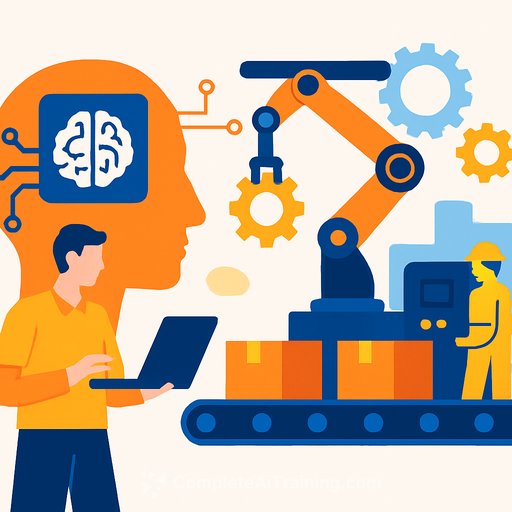
AI’s core strength lies in optimizing complex processes in real time. From predictive maintenance to managing supply chains, AI-driven systems help manufacturers cut downtime, improve product quality, and boost efficiency. By analyzing large data sets, AI enables manufacturers to anticipate problems and act before issues arise, moving decision-making from reactive to proactive.
AI as a Catalyst for Operational Excellence
Process manufacturing demands precision and consistency, and AI excels here. Algorithms analyze both historical and current data to adjust production settings, reduce waste, and ensure compliance with strict regulations. This not only cuts costs but also supports sustainability by lowering energy use and material waste.
AI also changes how the workforce operates. Instead of replacing human workers, AI tools provide insights that empower faster, smarter decisions on the shop floor. This collaboration between human expertise and AI creates a more agile environment where challenges are met efficiently.
From Efficiency to Strategic Differentiation
Beyond improving operations, AI helps manufacturers stand out in competitive markets. With AI, companies can simulate and test new product formulations quickly and inexpensively, enabling faster innovation and customization to meet customer needs precisely.
AI also improves customer relationships through advanced analytics. Manufacturers can forecast market trends and customize offerings, building loyalty and increasing revenue. This shift moves companies away from just producing goods to delivering tailored solutions that customers value.
The Road Ahead: Challenges and Opportunities
Full AI adoption comes with challenges. Data silos, cybersecurity concerns, and the need for workforce upskilling are significant hurdles. Success requires investment in digital infrastructure and a culture that supports continuous learning. Collaboration between technology providers and manufacturers is essential to overcome these obstacles.
AI offers a clear path to more streamlined operations and new business models amid digital disruption. As manufacturers embrace this technology, they position themselves for lasting advantages in an evolving industry.
For professionals interested in expanding their AI skills to drive this transformation, exploring targeted training can be valuable. Resources like Complete AI Training’s courses by job provide practical learning paths aligned with industry needs.
```Your membership also unlocks: